
In an increasingly interconnected world, the idea of belonging to a single homeland is evolving. For many, the tapestry of identity is woven from threads spanning multiple countries, cultures, and legal systems. Dual national citizenship—once a rarity—has become a common reality for millions, offering both opportunities and challenges. Navigating two sets of laws, responsibilities, and cultural expectations creates a unique experience that blends the familiar with the foreign. This article explores the multifaceted existence of holding dual citizenship, revealing the complexities and advantages of living between two worlds.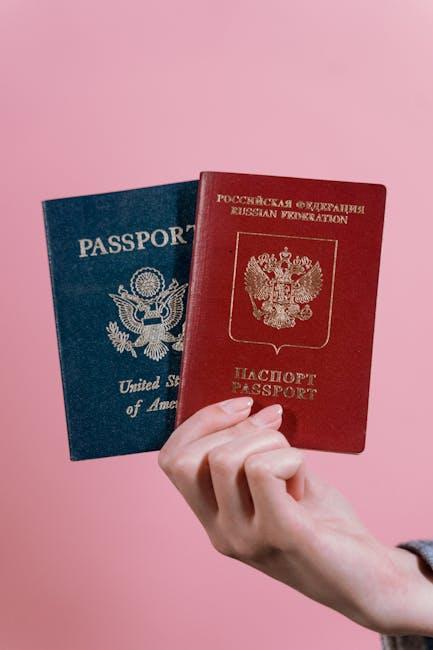
Understanding Dual National Citizenship and Its Legal Complexities
Dual national citizenship unlocks a world of opportunities, but it also invites a labyrinth of legal intricacies that vary widely between countries. Individuals holding two passports must navigate conflicting laws related to taxation, military service, and even voting rights. For instance, some nations impose tax obligations on worldwide income regardless of residency, while others require mandatory military service for all male citizens, sometimes without exemptions for dual nationals. The overlapping legal responsibilities can quickly transform what seems like a beneficial status into a complex balancing act demanding careful attention.
- Tax implications: Understanding which countries require reporting and payment to avoid double taxation.
- Consular protection: Rights may be limited if conflicts arise in one of the countries of citizenship.
- Legal conflicts: Some states do not recognize dual citizenship, risking loss of nationality upon acquiring a second citizenship.
| Aspect | Country A | Country B |
|---|---|---|
| Military Service | Mandatory | Exempt for dual nationals |
| Taxation | Globally taxed | Residence-based taxing |
| Dual Citizenship Recognition | Not recognized | Fully recognized |
Beyond legal constraints, dual nationals often face emotional and diplomatic challenges. When political tensions arise, holding allegiance to two countries can evoke questions of loyalty, potentially complicating travel or official status. Furthermore, administrative hurdles such as renewing passports or registering births and marriages may become entangled in bureaucratic red tape. Being well-informed and proactive in understanding both countries’ rules is essential to turn dual citizenship from a source of conflict into a unique asset.
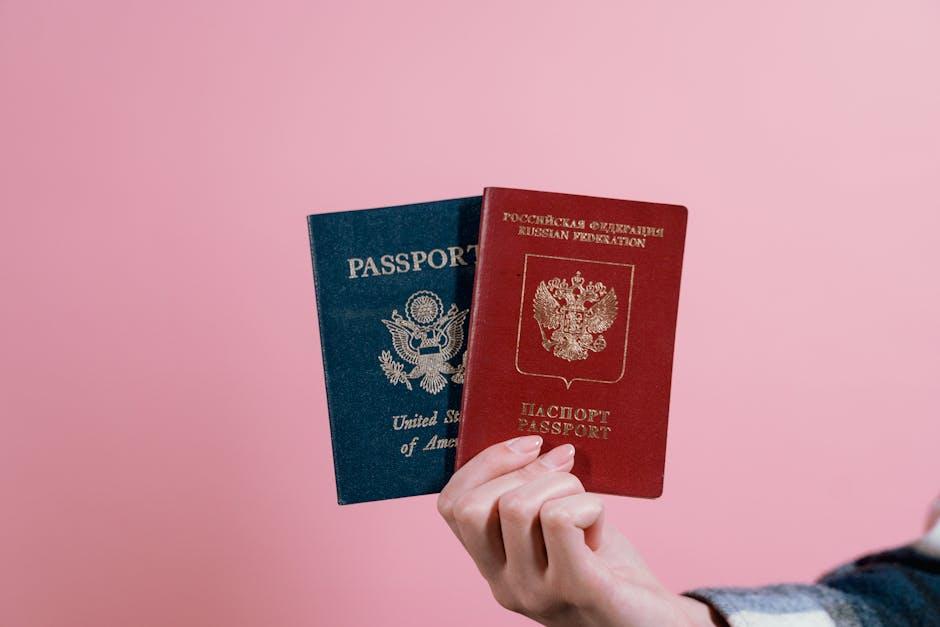
Balancing Cultural Identity in a Multinational Existence
Living within the embrace of two cultures offers a rich tapestry of experiences but also demands a delicate equilibrium. Individuals must often navigate the expectations and traditions of both worlds, weaving together aspects like language, cuisine, and social norms into a personal identity that feels authentic. This balancing act requires a constant renegotiation—valuing what to preserve and what to adapt—without losing the essence of either culture. It’s a nuanced dance, where embracing diversity becomes as important as honoring deep-rooted values.
Key challenges and opportunities in this space include:
- Maintaining language fluency: Keeping both mother tongues alive fosters connection and cognitive flexibility.
- Customs and celebrations: Blending traditions to create meaningful, hybrid rituals that reflect a dual heritage.
- Social belonging: Striking a balance between assimilating and preserving cultural uniqueness within communities.
| Aspect | Challenge | Opportunity |
|---|---|---|
| Language | Conflicting fluency levels | Enhanced communication skills |
| Identity | Feeling split between cultures | Unique, enriched worldview |
| Community | Navigating social acceptance | Building bridges between groups |
Challenges and Opportunities in Political and Civic Engagement
Dual national citizens often find themselves at a unique crossroads, balancing allegiance and participation in two distinct political landscapes. This situation presents a series of intricate challenges: navigating conflicting legal obligations, understanding diverse political cultures, and confronting identity dilemmas when allegiance is questioned. For many, voting rights and eligibility for certain public offices can be restricted or complicated, leading to feelings of political disenfranchisement. Moreover, the risk of being perceived as less loyal by either country can create social and emotional tensions, impacting civic participation beyond the ballot box.
Yet, these challenges pave the way for meaningful opportunities. Dual citizens can act as cultural and political bridges, fostering international cooperation and promoting global awareness within their communities. Their bicultural insights enable them to advocate for more inclusive policies and represent a broader spectrum of interests. Below is a quick overview of potential challenges and opportunities often encountered:
- Challenges
- Conflicting voting laws and political obligations
- Identity conflicts and social scrutiny
- Complicated access to certain public roles
- Opportunities
- Unique diplomatic and cultural understanding
- Enhanced community advocacy and representation
- Bridging divides for transnational cooperation
| Aspect | Potential Issue | Opportunity |
|---|---|---|
| Legal Status | Confusing jurisdiction over civic duties | Informed perspective on international law |
| Political Participation | Restrictions in one country’s political system | Access to multiple voting pools |
| Identity | Questioning of loyalty and belonging | Rich, diverse cultural identity |
Practical Advice for Managing Responsibilities Across Borders
Balancing legal obligations and personal commitments across two nations can often feel like juggling invisible balls—each with its unique weight and rhythm. Start by establishing a dedicated system for staying updated on tax deadlines, voting registrations, and healthcare requirements in both countries. Digital calendars synced with reminders are invaluable, ensuring you never miss a critical date, whether it’s filing taxes in one country or renewing a passport in another. Additionally, consider designating specific folders—physical or digital—for essential documents such as birth certificates, visas, and proof of residence. This creates a streamlined resource that can save time and reduce stress when navigating bureaucratic processes.
Effective communication is also key in managing responsibilities across borders. Regularly connecting with local consulates and embassy resources can clarify nuanced policies or upcoming changes relevant to dual citizens. Furthermore, create a trusted network of contacts—lawyers, financial advisors, or community groups—familiar with the intricacies of dual nationality. These relationships serve as lifelines when addressing unexpected challenges or seeking advice tailored to your unique circumstances.
- Organize important documents with clear labeling and easy access
- Automate bill payments and important reminders
- Stay informed about each country’s laws related to citizenship and residency
- Build a support network in both countries to ease transitions
| Responsibility | Frequency | Tip |
|---|---|---|
| Tax Filing | Annual | Use specialized software or advisors for cross-border tax laws |
| Passport Renewal | Every 5-10 Years | Set reminders 6 months ahead |
| Voting Registration | As Needed | Check embassy sites for deadlines |
| Healthcare Updates | Annually | Maintain records of both countries’ health coverage policies |
Future Trends and Considerations for Dual Citizens
As global mobility continues to accelerate, dual citizens find themselves at the intersection of evolving policies and emerging digital identities. Governments are increasingly leveraging biometric verification and blockchain technology to secure citizenship records, promising a future where managing multiple nationalities becomes seamless and transparent. Meanwhile, shifting diplomatic landscapes demand a heightened awareness of political alliances, which could influence rights and responsibilities in unexpected ways. Dual citizens may soon need to navigate dynamic legal frameworks that react swiftly to international developments, making adaptability an essential skill.
Looking ahead, dual citizenship is poised to intersect with broader social trends, including remote work and global taxation reforms. The ability to live and work across borders without losing access to social benefits or voting rights will become increasingly crucial. Below is a snapshot of key considerations shaping this future:
- Digital ID integration for easier cross-border movement
- Tax treaty developments impacting financial obligations
- Enhanced consular support for transnational emergencies
- Cultural identity preservation through virtual communities
| Trend | Potential Impact | Timeline |
|---|---|---|
| Blockchain Citizenship Records | Secure & instantaneous verification | Next 5 years |
| Global Tax Regulation Changes | Revised obligations for dual nationals | 3-7 years |
| AI-Enabled Consular Services | 24/7 support for emergencies abroad | Within 10 years |
Future Outlook
In the delicate dance of dual national citizenship, individuals navigate a landscape where cultures, laws, and identities intertwine. This unique position offers both opportunities and challenges—a bridge connecting distinct worlds but also a balancing act demanding awareness and adaptability. As globalization continues to blur borders, understanding the realities of holding two nationalities becomes ever more essential. Embracing dual citizenship is, in essence, embracing complexity—a journey that enriches lives while inviting thoughtful reflection on what it means to belong.




