
In an era marked by relentless geopolitical shifts, economic uncertainties, and unpredictable social upheavals, the notion of security has transcended borders. For many, acquiring a second citizenship through investment is no longer just a strategy for wealth diversification—it has become an emblem of foresight and resilience. This “passport through investment” offers more than just the freedom to travel; it serves as a powerful hedge against global instability. As nations grapple with their own internal turmoils and external pressures, the ability to hold multiple citizenships emerges as a pragmatic shield, a strategic escape valve, and ultimately, the ultimate bet on a more stable tomorrow.
The Illusion of Security When Citizenship Comes With a Price
Citizenship acquired through investment undeniably offers an alluring promise: a foothold in a stable jurisdiction when global volatility shakes traditional passports. Yet, this illusion of security warrants a more critical lens. The transactional nature of such citizenship often decouples legal status from genuine societal integration and political influence. Holders may find themselves secondary citizens, enjoying limited political rights or encountering scrutiny from governments wary of exploitative practices. Unlike citizenship earned through cultural ties or long-term residence, purchased citizenship can be perceived as inherently fragile—subject to shifting international regulatory stances, potential revocations, or diplomatic friction. In essence, the bureaucratic green light does not equate to a fully embedded, risk-proof identity.
Moreover, the cost-benefit calculus of buying citizenship entails profound trade-offs beyond initial outlay. Beyond the financial commitment, investors face potential reputational risks amid growing global scrutiny of “passport sales.” A nuanced approach mandates weighing:
- Long-term geopolitical legitimacy of the host nation versus short-term convenience
- Ease of travel and tax optimization against possible future sanctions or policy reversals
- Actual access to rights and protections versus symbolic status with limited tangible benefit
Rather than perceiving investment citizenship as a silver bullet to circumvent geopolitical uncertainty, prospective buyers should integrate it into a diversified, multi-layered strategy—recognizing it as one piece of a complex puzzle that requires ongoing vigilance and adaptation to remain truly effective.
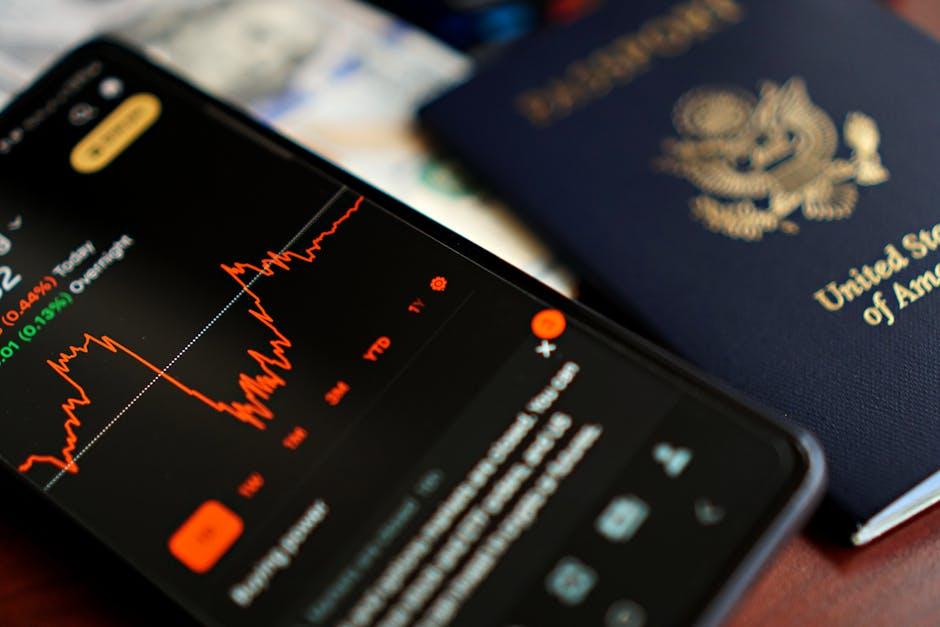
Weighing the Cost Versus the Convenience in Investment-Based Passports
When evaluating investment-based passports, the conversation often skews toward a simplistic calculus: pay X amount and gain Y mobility. However, this transactional mindset overlooks fundamental complexities. The true cost transcends initial capital—it includes persistent financial obligations such as due diligence fees, renewal costs, and potential tax implications that vary widely based on the host country’s regulatory landscape. Moreover, convenience is a highly contextual virtue; an investor prioritizing access to a robust network of countries with visa-free travel to global financial hubs may find a higher upfront cost justified. Conversely, those seeking a basic safety net might weigh cheaper, less flexible programs more favorably. This creates a clear distinction between passports bought as strategic geopolitical hedges versus those acquired primarily for ease of travel. Ignoring these subtleties risks both overpaying and underestimating the passport’s long-term utility in fluctuating global conditions.
It’s essential to challenge the overused assumption that all investment passports inherently offer “ultimate” or “complete” global mobility. Even the most reputed programs come with limitations—restricted diplomatic access, uneven visa-waivers, and sometimes unstable political climates that may erode the very stability sought after. Here, a nuanced recommendation emerges: for serious global citizens, combining investment passports with diversified residency or citizenship plans enhances both resilience and flexibility. The trade-off is complexity and cost, but this layered approach mitigates reliance on any single jurisdiction’s policy shifts. Below is a simplified comparison that illustrates these trade-offs in popular investment citizenship programs:
| Program | Average Investment | Visa-Free Access | Taxation Complexity | Political Stability |
|---|---|---|---|---|
| Malta | €900,000+ | 185+ | High | Stable |
| Dominica | $100,000+ | 140+ | Low | Moderate |
| Turkey | $400,000+ | 110+ | Moderate | Variable |
Ultimately, the real measure of convenience is not simply how quickly a passport can be acquired, but how effectively it aligns with the investor’s personal geopolitical exposure, family needs, and risk tolerance. This calls for a bespoke, deeply analytical approach to weigh costs against convenience, rather than a one-size-fits-all purchase decision driven by headline numbers.
Beyond Borders The Ethical Debate Surrounding Purchased Nationality
Purchased nationality often ignites polarized ethical debates, yet these discussions frequently suffer from oversimplification. Critics portray citizenship strictly as an inalienable bond formed through cultural integration and shared history, dismissing investment-based citizenship as a commodification of identity. While this perspective holds cultural validity, it neglects the increasingly fluid and transactional nature of modern globalization. Citizenship today is not purely about place but access—access to safety, opportunity, and mobility. The ethical tension, then, is less about whether citizenship should be bought but about who gains the power to define belonging and under what conditions. This reframes the debate to focus on the responsibilities of both selling and buying states: Are these transactions helping to democratize opportunity and economic development, or are they entrenching inequality by privileging the wealthy? The empirical evidence suggests a complex middle ground, where some nations effectively leverage citizenship-by-investment programs to foster growth and global integration, while others risk becoming ‘passport hawkers’ that undermine national cohesion and global trust.
To navigate the ethical quandaries pragmatically, nuanced policy frameworks are essential. A one-size-fits-all condemnation or endorsement fails to address core trade-offs intrinsic to purchased nationality. Thus, governments and stakeholders should prioritize:
- Robust vetting procedures that transcend mere financial liquidity to include real contributions and commitments to the host country’s socio-economic fabric.
- Transparency and accountability mechanisms to prevent exploitation by illicit actors and ensure revenues benefit public goods rather than private interests.
- Periodic reassessment of citizenship status to maintain alignment with national interests and evolving global standards on migration and security.
These recommendations push beyond the simplistic moral binaries and recognize citizenship’s evolving role in an interconnected world. Ultimately, purchasing nationality need not be an unethical loophole but a carefully managed instrument to mitigate global instability—provided it is wielded with foresight, fairness, and a commitment to shared human dignity.
Strategic Diversification Versus Citizenship as a Financial Hedge
When weighing strategic diversification against citizenship as a financial hedge, the debate often simplifies to a false equivalence: spreading assets across borders versus acquiring a new passport. However, citizenship is not merely an asset allocation tool—it is a multidimensional safeguard that safeguards not only capital but also personal freedom, legal protections, and mobility. While diversification in financial instruments or real estate can mitigate geopolitical or currency risks to a degree, it remains tethered to the constraints of your home jurisdiction’s grip on your assets and movements. In contrast, a second citizenship institutionalizes a legal escape valve, often granting visa-free travel, access to alternative banking systems, and protection under a different state’s rule of law. This holistic shield is particularly crucial in an era of tightening capital controls and unpredictable regulatory shifts, where traditional diversification may become “paper hedges” easily undermined by sudden policy reversals.
That said, citizenship as a financial hedge carries inherent trade-offs and demands a sophisticated appraisal. It is not a universal panacea and should be viewed as a complement to—not a replacement for—financial diversification. For investors and high-net-worth individuals, the calculus hinges on the stability and openness of the alternative citizenship’s jurisdiction, the transparency of its legal framework, and the quality of its diplomatic relations. Simply acquiring any second passport without this due diligence can lead to liquidity traps or reputational risks that counteract intended protections. Therefore, a practical framework emerges:
- Evaluate the geopolitical resilience of the citizenship country beyond its passport strength index—factors like judicial independence and diplomatic stability trump mere visa access.
- Balance financial asset allocation with legal and physical mobility by integrating citizenship planning alongside offshore investments, ensuring neither is excessively exposed.
- Assess lifestyle and family security benefits alongside investor protections—ultimate financial hedging is deeply intertwined with personal freedom and well-being.
| Aspect | Diversification | Citizenship as Hedge |
|---|---|---|
| Core Benefit | Spread risk across asset classes and geographies | Legal status providing freedom of movement and jurisdictional security |
| Risk Limitations | Susceptible to global market shocks and regulatory clampdowns | Dependent on political stability of host country and due diligence quality |
| Liquidity | Usually high, but sensitive to sanctions and capital controls | Non-monetary but unlocks access to new financial ecosystems |
Navigating Global Risks Through Citizenship Programs or Smarter Alternatives
When evaluating citizenship-by-investment (CBI) programs as a hedge against global uncertainties, it’s crucial to move beyond the simplistic allure of an “escape hatch” to assess their strategic value. Not all programs offer equal security or flexibility. For instance, while Caribbean CBIs like St. Kitts and Nevis promise visa-free access to numerous countries, their geopolitical weight and economic resilience are limited compared to programs tied to EU nations, such as Malta or Cyprus—though the latter often come with higher financial thresholds and scrutiny. This trade-off between accessibility, cost, and genuine mobility enhancement should be the primary lens through which applicants judge these programs. Moreover, the rise of regulatory crackdowns, exemplified by recent EU hesitations and revocations, signals that citizenship bought as insurance is potentially precarious unless aligned with robust legal frameworks and ongoing compliance.
Beyond traditional CBI routes, savvy investors must contemplate smarter, often hybrid alternatives that address the fragility of a single passport. These include:
- Multi-jurisdictional Residency Programs: Rather than acquiring citizenship in just one country, building a network of residencies can provide layered protection without the full commitment or costs of multiple citizenships.
- Investment in Global Digital Identity Solutions: Innovations like blockchain-based identity verification could soon redefine cross-border mobility, reducing dependence on physical passports alone.
- Real Estate and Economic Ties in politically stable markets that offer long-term residency prospects without immediate citizenship obligations.
Short of a “silver bullet,” balancing these options requires a nuanced understanding of geopolitical trajectories, economic stability, and shifting immigration policies. The pursuit of global security through citizenship is no longer about a single decisive investment—it demands a diversified, forward-thinking portfolio approach with legal diligence as the cornerstone. Below is a snapshot comparison illustrating these nuanced elements:
| Strategy | Cost | Mobility Benefit | Regulatory Risk | Flexibility |
|---|---|---|---|---|
| Caribbean CBI | Low to Moderate | Moderate (Schengen, UK access limited) | Medium (EU scrutiny increasing) | High (fast processing) |
| European Citizenship | High | High (Schengen + EU rights) | Low to Medium (strict vetting) | Medium (longer process) |
| Multi-Residency | Variable | Variable | Low (flexible exit options) | Very High (customized) |
| Digital Identity | Currently Low (emerging) | Potentially High | Uncertain (regulatory infancy) | High |
Future Outlook
In a world where geopolitical tremors and economic uncertainties ripple across borders with increasing frequency, the allure of a second citizenship transcends mere luxury—it becomes a strategic sanctuary. Investing in a passport is not just a transactional exchange; it is a carefully crafted hedge against the unpredictability that defines our global landscape. As nations wrestle with instability, those who seize the opportunity to diversify their national affiliations may find themselves better equipped to navigate the future’s challenges. Ultimately, buying citizenship emerges not merely as an act of investment, but as a profound bet on security, freedom, and the unyielding human quest for stability in an ever-changing world.




