
In a world increasingly connected by borders both physical and digital, the concept of belonging to more than one nation is no longer a mere curiosity—it’s a reality for millions. Dual nationality citizenship, a status that allows individuals to hold legal ties with two countries simultaneously, offers a fascinating blend of opportunities and complexities. From enhanced travel freedoms and cultural richness to intricate legal obligations, understanding how dual citizenship works is key to navigating this unique identity. This article delves into the benefits and challenges of holding dual nationality, unraveling the legal frameworks that support it and shedding light on what it means to live with a foot in two worlds.
Exploring the Concept of Dual Citizenship and Its Global Implications
Dual citizenship, also known as dual nationality, occurs when an individual is legally recognized as a citizen of two countries simultaneously. This status allows people to enjoy rights and fulfill obligations in both nations, such as voting, working, and accessing social services. However, the legal frameworks governing dual citizenship vary widely across countries—some embrace it fully, while others restrict or even prohibit it. For example, countries like Canada and the United States accept dual citizenship without significant limitations, whereas nations like Japan or China require citizens to renounce other nationalities. Understanding these differences is crucial for individuals considering dual nationality, as it can impact everything from travel freedom to tax liabilities and military service requirements.
The global implications of dual citizenship extend beyond individual benefits and challenges, influencing international relations, migration patterns, and national identity debates. On one hand, dual citizens often serve as bridges between cultures and economies, facilitating business, education, and cultural exchange across borders. On the other hand, dual nationality can raise complex issues such as conflicting legal responsibilities, diplomatic protection complications, and questions of loyalty or security risks. Countries and policymakers frequently grapple with balancing these factors, leading to diverse recommendations for prospective dual nationals, including:
- Researching legal obligations: Understanding tax, military, and civic duties in both countries.
- Monitoring political changes: Laws on dual nationality can evolve, affecting one’s status and rights.
- Consulting immigration experts: For accurate guidance tailored to personal circumstances.
| Aspect | Potential Benefit | Possible Challenge |
|---|---|---|
| Travel | Access to multiple passports and visa-free entry to more countries | Increased scrutiny at borders due to dual allegiance concerns |
| Legal Rights | Ability to work, study, and live in both countries without restriction | Complicated taxation or military service requirements |
| Cultural Identity | Stronger connections to heritage and communities in both countries | Potential conflicts of loyalty or social integration challenges |
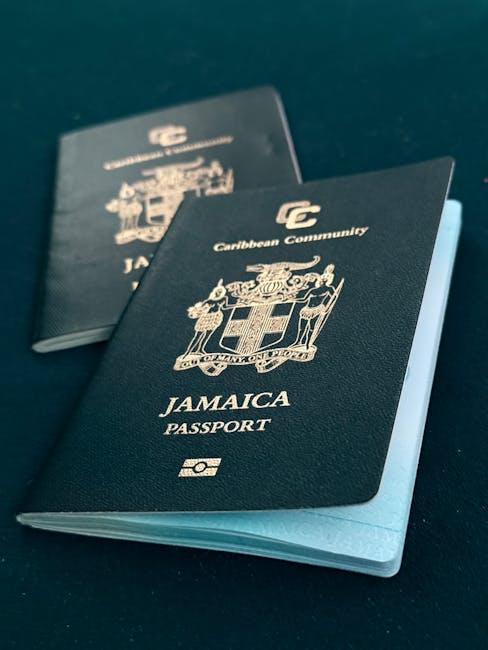
Balancing the Advantages and Drawbacks of Holding Two Passports
Holding two passports can offer significant advantages, including enhanced travel freedom, easier access to work and live in multiple countries, and diversified political and economic security. Dual nationality often means you can bypass strict visa requirements, enjoy consular assistance from either country, and take advantage of tax benefits depending on your countries of citizenship. Additionally, it can facilitate seamless cross-border business, education opportunities, and cultural connections. However, these benefits come with notable complexities. Dual citizens may face double taxation, mandatory military service obligations, or legal conflicts due to differing national laws. Maintaining two passports also means adhering to the civic responsibilities of both nations, which can include voting requirements, tax filings, or legal liabilities that vary widely between countries.
When deciding whether to pursue or retain dual nationality, it’s crucial to weigh these factors carefully. Consider the following comparative aspects to balance advantages and drawbacks effectively:
| Aspect | Benefits | Potential Drawbacks |
|---|---|---|
| Travel Flexibility | Visa-free entry to more countries, faster immigration processing | Risk of scrutiny from border authorities over dual allegiances |
| Legal and Tax Responsibilities | Access to legal protections and benefits in both countries | Double taxation, complex tax reporting, and compliance challenges |
| Civic Duties | Right to vote and participate politically in two countries | Obligations like military service, jury duty, or compulsory voting |
| Cultural Connection | Greater cultural adaptability and family ties | Identity conflicts or loyalty questions in sensitive geopolitical contexts |
Recommendations: Always verify dual nationality policies specific to your countries, consult with legal or tax professionals, and keep documentation up-to-date. Being proactive ensures that you maximize the benefits of holding two passports while managing responsibilities effectively and avoiding unexpected legal or financial complications.
Navigating Legal Complexities and Rights in Dual Nationality
Understanding the legal intricacies of dual nationality is essential since it involves obeying the laws and obligations of two countries simultaneously. Dual nationality means you are legally recognized as a citizen by both nations, which can lead to complex issues such as conflicting legal systems, tax responsibilities, and military service requirements. For example, some countries require dual nationals to pay taxes on global income, while others apply taxation only within their borders. Additionally, obligations such as compulsory military service might be enforced by one country but not the other, potentially placing the individual in conflicting situations. It’s crucial to research each country’s stance on dual citizenship, as some may impose restrictions on political rights, property ownership, or even travel documentation, requiring you to carry passports from both nations when crossing borders.
To navigate these challenges effectively, consider these key recommendations:
- Clarify your legal status in both countries: Confirm whether dual nationality is officially recognized or tolerated, and understand any limitations that may apply.
- Stay informed about tax laws: Consult with tax professionals familiar with both jurisdictions to avoid penalties and ensure compliance with filing requirements.
- Be aware of military and civic duties: Know if conscription laws or other obligations apply and how to manage them responsibly.
- Maintain up-to-date travel documents: Carry valid passports from both countries and know which one to use depending on your travel route and destination.
| Aspect | Common Challenges | Practical Tips |
|---|---|---|
| Taxation | Double taxation, filing complexity | Seek treaties and expert advice |
| Military Service | Potential conscription conflicts | Understand exemptions or deferments |
| Political Rights | Restrictions on voting or holding office | Confirm eligibility with authorities |
How Personal Circumstances Influence the Decision to Pursue Dual Citizenship
Deciding to pursue dual citizenship often hinges on a variety of personal circumstances that shape both the feasibility and benefits of holding two nationalities. For individuals with close family ties to another country—whether through parents, grandparents, or even marriage—dual nationality can facilitate easier travel, property ownership, and access to social benefits abroad. Additionally, professionals working in multinational environments or remote digital nomads might prioritize dual citizenship for career flexibility and tax planning advantages. However, personal factors such as age, financial stability, and long-term residency plans critically influence whether the benefits outweigh potential complications like mandatory military service, tax implications, or the legal intricacies of maintaining two passports.
To better understand the decision-making landscape, consider these common personal scenarios:
- Heritage and Identity: Individuals seeking to preserve cultural ties often find dual citizenship enriching, enabling participation in civic life and education exchanges.
- Employment and Investment: Dual nationality can expedite work permits and business investments, especially within economic unions like the EU.
- Family Considerations: Parents might pursue an additional citizenship to secure healthcare and education benefits for their children.
- Legal and Financial Factors: Navigating differing tax laws and legal responsibilities requires assessing whether one’s home and second country permit dual status without onerous restrictions.
| Personal Circumstance | Potential Benefit | Potential Challenge |
|---|---|---|
| Multinational Employment | Flexible work authorization across borders | Complex tax filing in both countries |
| Family Heritage | Enhanced cultural connection and travel ease | Possible compulsory military service |
| Investment Opportunities | Access to broader markets and property rights | Complex legal compliance with asset declaration |
Ultimately, potential dual citizens should evaluate these personal factors alongside the specific legal frameworks of their countries involved. Consulting with immigration attorneys or financial advisors familiar with dual nationality laws ensures an informed and strategic approach tailored to individual circumstances.
Common Myths About Dual Nationality Debunked and Clarified
- Myth: Dual nationality means having to pay taxes twice.
Reality: While dual citizens may be subject to tax laws in both countries, many nations have bilateral tax treaties designed to prevent double taxation. It’s essential to understand the specific tax obligations in each country and consult with a tax professional to optimize compliance without unnecessary financial burden. - Myth: Holding dual citizenship requires serving in the military of both countries.
Reality: Military service obligations vary widely and typically depend on each country’s laws and agreements. Some countries may require service only under certain conditions or for citizens residing within their borders. Dual nationality does not automatically impose dual military service on the holder. - Myth: Dual citizens can’t hold public office or government positions.
Reality: This depends on the country and the type of government role. Some nations restrict dual citizens from certain high-security positions, while others do not impose such limitations. It’s important to research eligibility requirements relevant to your citizenships.
| Aspect | Common Misconception | Clarification |
|---|---|---|
| Loss of Original Citizenship | Gaining a new citizenship automatically cancels out the previous one. | Many countries allow dual nationality explicitly; however, some require formal renunciation. Always check both countries’ policies before applying. |
| Travel Convenience | Dual citizens must always use the passport of their current country of residence when traveling. | Dual nationals often have the flexibility to use either passport depending on their destination, visa requirements, and convenience, reducing barriers to international travel. |
| Rights and Responsibilities | Dual nationality grants unrestricted rights identical to single nationality everywhere. | Rights can vary depending on the country’s legal framework; some benefits may be limited or conditional. Responsibilities, including legal and civic duties, must be fulfilled in each nation. |
The Way Forward
Navigating the intricate landscape of dual nationality citizenship reveals a world rich with opportunity and complexity. As we’ve explored, holding allegiance to two countries can open doors to diverse cultures, expanded rights, and greater global mobility—while also presenting legal and personal challenges unique to this status. Understanding the nuances is key to making informed decisions and embracing the full potential of dual citizenship. Whether driven by heritage, opportunity, or choice, this multifaceted identity continues to shape how individuals connect with the world around them, blending loyalties into a singular, yet dual, experience of belonging.




