
A passport is more than just a small booklet-it’s a gateway to the world, a symbol of identity, and often, a ticket to opportunity. But while the official fee for obtaining or renewing a passport is usually clear and straightforward, the true cost stretches far beyond this familiar price tag. From hidden administrative charges and time-consuming paperwork to unexpected travel restrictions and geopolitical implications, the expenses tied to holding a passport weave a complex web. This article sets out to unravel those layers, offering a nuanced look at what you really pay to carry the document that opens borders-and what that reveals about citizenship, privilege, and global mobility in our interconnected age.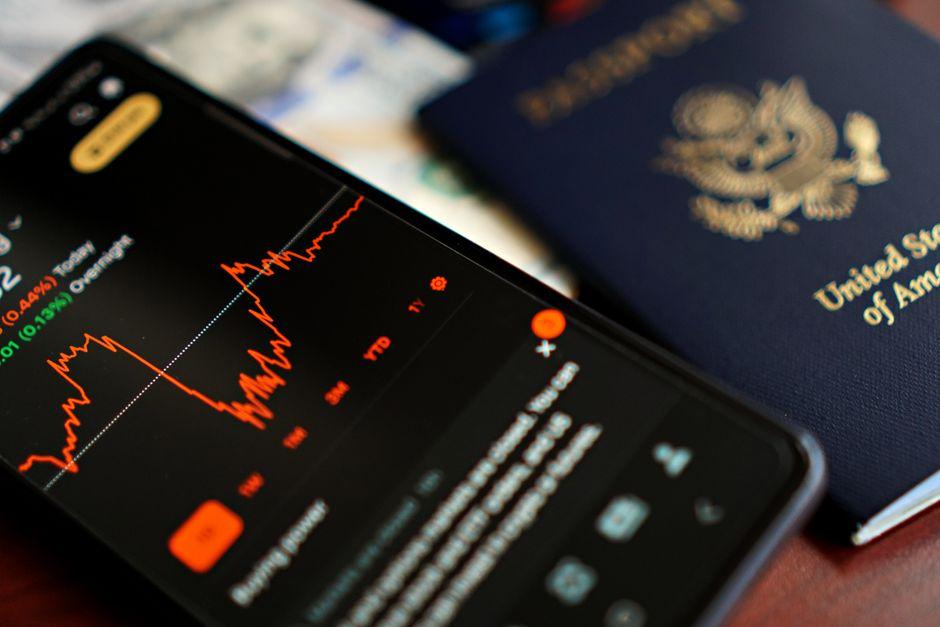
Unseen Expenses Hidden in the Passport Application Journey
When Sarah decided to apply for her first passport, she was clear-eyed about the fee printed on the official form: $145. What caught her off guard, however, were the additional costs that crept up along the way-costs she hadn’t budgeted for and that often go unnoticed by first-timers. For instance, Sarah needed passport photos, which required a quick trip to a photo center costing $15. Then came the realization that her application needed to be submitted in person, and with limited local government office hours, she booked a cab to avoid missing work on a weekday, adding another $20. These small but necessary expenses, from transportation to documentation preparation, quietly inflated the total outlay, disrupting her carefully planned budget.
John’s experience highlights another common pitfall: the urgency factor. Planning a last-minute trip after a sudden opportunity arose, he opted for expedited processing, which added an extra $60 to the standard fee. Beyond the express surcharge, he also had to pay for overnight shipping to ensure his passport arrived on time. It’s a stark contrast to the leisurely pace many expect when applying months in advance, and it underlines a critical lesson: time sensitivity can dramatically increase the “true” cost of obtaining a passport. Below is a quick breakdown that might help applicants anticipate these hidden charges:
| Expense | Typical Cost | John’s Expedited Case |
|---|---|---|
| Standard Passport Fee | $145 | $145 |
| Passport Photos | $15 | $15 |
| Transportation to Office | $20 | $20 |
| Expedited Processing | – | $60 |
| Overnight Shipping | – | $30 |
- Preparation costs like photos and photocopies often sneak into the total.
- Travel expenses might be necessary if application centers aren’t nearby.
- Expedited services come at a premium and can significantly raise your final bill.
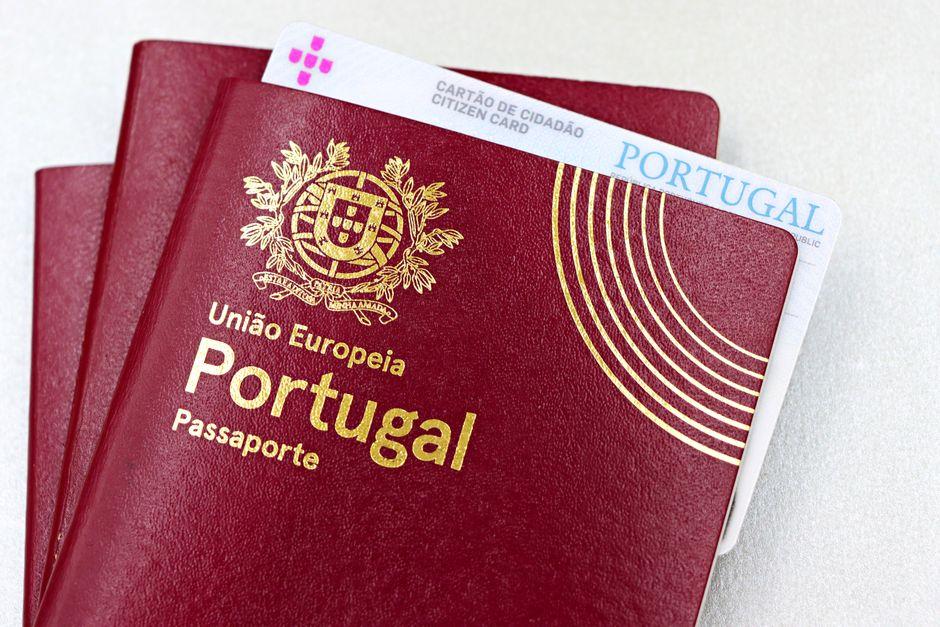
When Delays and Denials Turn Costly Beyond the Fee
Imagine Sarah, a recent college graduate, who planned a last-minute trip overseas for a job interview. She submitted her passport application promptly, assuming the standard processing times would suffice. Yet, a delay in her application approval forced her to postpone the trip, incurring non-refundable flight changes and missed opportunities. What initially seemed like a minor inconvenience quickly snowballed into unexpected financial and emotional costs. This scenario underscores how delays and denials don’t just stretch your waiting time-they can ripple into lost income, rescheduled hotel stays, and the stress of urgent rebooking. Many travelers fail to account for these stakes upfront, only realizing the true cost when faced with real-life fallout.
Consider the case of Mr. Johnson, whose passport renewal was denied due to missing documentation. The denial meant restarting the application process, which not only doubled his administrative fees but also delayed his travel plans by months. Unlike the straightforward fee on a form, these tangential expenses – expedited processing, legal consultations, or urgent passport services – often catch applicants off-guard. To visualize this, here’s a brief comparison of potential costs:
| Unexpected Cost | Example Expense | Impact |
|---|---|---|
| Flight Change Fees | $200 – $500 | Lost savings, added logistical hassle |
| Expedited Passport Fees | $60 – $200 | Additional application cost beyond regular fee |
| Document Replacement | $35 – $150 | Time-consuming and add to total expense |
| Lost Income | Varies | Missed job interviews or work commitments |
- Lesson: Always double-check application requirements, and consider buffer time beyond posted processing periods.
- Decision point: Is it worth paying for expedited services upfront to avoid a cascade of costly delays?
How Changing Rules Can Upset Your Travel Budget and Plans
Imagine planning a spontaneous weekend getaway, passport in hand, only to find out days before departure that your destination country has tightened entry requirements. Sarah, an avid traveler, once booked a trip to a European country that, mid-year, introduced a new rule requiring an electronic travel authorization for all passport holders-even for short stays. The additional application fee and processing time caught her off guard. Not only did this rule change push her budget beyond the usual passport renewal and visa fees, but it also forced her to delay her trip. These unexpected policy shifts often ripple beyond money, disrupting carefully crafted itineraries and leaving travelers scrambling to adjust on short notice.
Rules around passports and international travel can be surprisingly fluid, influenced by diplomatic ties, security concerns, or public health emergencies. Consider Miguel, who had budgeted for a trip to South America but faced an unforeseen increase in visa fees after his destination country introduced stricter documentation requirements. The original cost estimate-based on last year’s information-didn’t account for these additional charges. Here are a few common ways changing rules can throw off travel plans and budgets:
- Sudden application fees: New authorizations or digital permits might carry extra costs.
- Processing delays: Increased paperwork can lengthen wait times, jeopardizing fixed travel dates.
- Documentation layers: Additional forms, interviews, or biometrics may require more time and money.
| Expectation | Reality After Rule Change |
|---|---|
| Travel planned with basic passport and a visa (if required) | Extra digital authorization required-new fee plus 7-10 day processing delay |
| Budget allocated for known visa fees | Unexpected rise in visa costs by 20-30% |
| Passport valid for standard entry | Additional health or security documentation unexpectedly mandated |
Stories from the Frontline of Immigration Checks and Unexpected Costs
Jessica thought that once she had her new passport in hand, the hardest part was over. Her plan to visit family overseas was clear, and she had budgeted just for the application fee and expedited service. However, at immigration, her experience quickly shifted. A recent change in policy meant extra scrutiny for travelers from certain countries, and Jessica was pulled aside for additional checks. This added not only stress but unexpected expenses-she had to pay for a last-minute visa, fingerprinting services, and even a required health screening. What seemed like a straightforward trip highlighted the often invisible-and unplanned-financial layers lurking behind international travel.
Contrastingly, Tom’s journey provides a cautious lesson in preparation. When renewing his passport, he seized the opportunity to sign up for online alerts about immigration policy changes. Despite the extra cost for a faster renewal service, this foresight saved him from costly airport hold-ups abroad. When customs began requiring proof of onward travel, Tom was ready-with an inexpensive, refundable flight ticket booked weeks in advance. The difference between his experience and Jessica’s underscores a few key takeaways:
- Anticipate additional document needs: Visa applications, health requirements, or biometric checks can add unexpectedly to travel costs.
- Stay informed about immigration updates: Policy changes vary widely by destination and can impact budget and timing.
- Prepare for contingencies: Booking refundable tickets or holding emergency funds can prevent financial strain during last-minute checks.
| Scenario | Unexpected Cost | Outcome |
|---|---|---|
| Jessica’s family trip | Last-minute visa, fingerprinting, health screening | Increased travel budget, delayed departure |
| Tom’s renewal trip | Cost of refundable onward ticket, expedited renewal fee | Smoother immigration process, avoided delays |
What Obtaining a Passport Teaches About Patience and Preparation
When Jane first decided to apply for her passport, she imagined it as a straightforward transaction: fill out a form, pay the fee, and walk out with a shiny new travel document. Yet, the reality was more nuanced. She found herself juggling strict documentation requirements, booking a limited appointment slot weeks in advance, and navigating the uncertainty of postal delays. One particular instance stood out-her initial application was rejected due to a blurry photocopy of her ID, forcing her to resubmit the entire packet, restarting the waiting game. This process underscored a vital lesson: obtaining a passport is a crash course in patience and preparation, where the seemingly simple act demands meticulous attention and strategic planning.
Understanding this teaches more than just the importance of double-checking paperwork-it reveals a deeper appreciation for the unseen costs baked into the journey. From the time lost coordinating schedules to the stress of unforeseen complications, these hurdles paint a fuller picture beyond the sticker price. Consider this quick comparison of time investment vs. expectation:
| Expectation | Reality | Lesson Learned |
|---|---|---|
| Submit application, receive passport within 2 weeks | Wait 6 weeks due to appointment delays and resubmission | Start the process early, verify each detail carefully |
| One-time fee covers everything | Additional costs for rush services and transport fees | Budget for hidden expenses beyond official prices |
- Patience: Weathering the unpredictable timeline requires emotional steadiness rather than just financial readiness.
- Preparation: Thorough documentation and clear understanding of procedures save time and frustration.
Jane’s experience isn’t unique; it’s a reminder that behind every passport lies a journey of unexpected waiting and learning that ultimately shapes more mindful-and often more resourceful-travelers.
The Conclusion
In peeling back the layers of what it truly costs to obtain and maintain a passport, we’ve uncovered a mosaic far richer-and more complex-than the price printed on the application form. Beyond the fee lies a web of hidden expenses: time waiting in lines, the emotional toll of bureaucratic hurdles, ongoing renewal costs, and sometimes even unexpected geopolitical implications. Recognizing these facets transforms our understanding from seeing a passport as merely a travel document to appreciating it as a gateway shaped by invisible currencies-patience, persistence, and privilege. Navigating these costs may not be simple, but awareness is the first step toward making informed choices in a world where borders are as much about identity as they are about geography.




