
In an increasingly globalized world, the allure of acquiring a second citizenship transcends mere prestige-it opens doors to new opportunities, richer experiences, and strategic advantages. As 2024 unfolds, the landscape of citizen-by-investment programs continues to evolve, offering a diverse palette of choices for those seeking to broaden their horizons. From tropical paradises to economic powerhouses, nations are competing with unique blends of benefits, costs, and long-term prospects. This article dives into the top countries offering citizenship through investment, providing a balanced comparison to help discerning individuals navigate the complex yet fascinating realm of global mobility and personal sovereignty. Whether driven by business ambitions, lifestyle enhancements, or security, understanding what each program truly offers has never been more essential.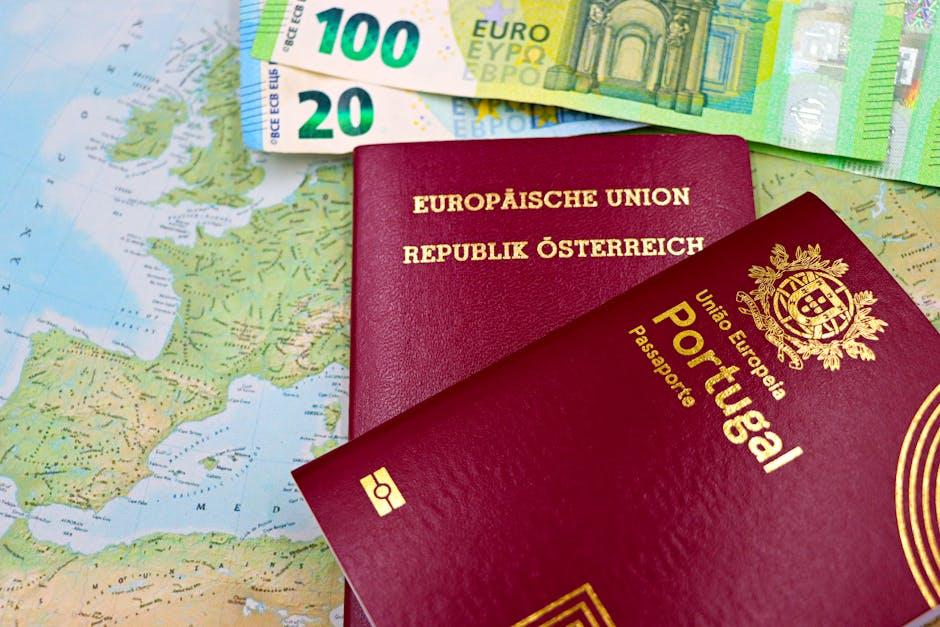
Understanding Citizenship by Investment and What It Really Offers
Citizenship by investment (CBI) programs offer a legal pathway to acquire a second passport by making a qualifying economic contribution to a country. Typically, this involves investing in real estate, government bonds, business ventures, or contributing directly to a national development fund. Understanding what citizenship by investment really offers involves recognizing the blend of tangible and intangible benefits that extend beyond simply holding an additional passport. Common advantages include visa-free travel to hundreds of countries, enhanced business opportunities, tax optimization, and improved personal security. However, it is essential to assess program legitimacy, processing times, fees, and residency requirements, as these factors vary significantly across jurisdictions and can impact the overall value proposition for applicants.
When evaluating CBI programs, applicants should consider several key components to make an informed decision:
- Investment Types and Minimums: Do you prefer real estate, charitable donations, or direct government contributions? The minimum investment thresholds often indicate the exclusivity and infrastructure of the program.
- Processing Speed and Accessibility: Some countries, like St. Kitts and Nevis, offer fast-track options under six months, while others may take over a year with more stringent due diligence.
- Travel Freedom: How many countries can you visit visa-free? CBI passports vary widely in travel reach, which directly affects the utility for frequent travelers and businesspeople.
- Tax and Residency Benefits: Consider whether the new citizenship imposes tax obligations, mandates physical presence, or offers a favorable legal framework for global asset management.
- Reputation and Security: Opt for countries with well-established CBI programs that maintain strict compliance and international cooperation standards to avoid the risk of future revocations or sanctions.
| Program Attribute | Typical Range Across Top Programs |
|---|---|
| Investment Amount | $100,000 – $2,000,000 |
| Processing Time | 3 months – 12 months |
| Visa-Free Countries | 120 – 160+ |
| Residency Requirement | None – 6 months annually |

Weighing the Pros and Cons of Popular Investment Citizenship Destinations
When in 2024, it’s crucial to evaluate key factors such as cost, processing times, visa-free travel benefits, and economic stability. For instance, countries like St. Kitts & Nevis and Dominica are favored for their relatively low investment thresholds (starting around $100,000 – $150,000) and fast processing (often within 4 to 6 months). However, their passport power may not rival that of European options such as Malta or Portugal, where investment requirements are higher but access to the entire Schengen Zone and EU residency rights offer unparalleled mobility and business opportunities. Additionally, Caribbean programs typically impose fewer residency conditions, while European programs often require physical presence, which may be a decisive factor depending on lifestyle preferences and long-term plans.
Common challenges across these destinations include potential changes in government policies, background check delays, and sometimes stringent due diligence processes that could extend application timelines. Below is a simplified comparison of four notable citizenship-by-investment countries to illustrate their contrasting advantages and limitations:
| Country | Minimum Investment | Processing Time | Visa-Free Access | Residency Requirement |
|---|---|---|---|---|
| St. Kitts & Nevis | $150,000 donation | 4-6 months | 160+ countries | None |
| Malta | €600,000+ contribution & investment | 12-14 months | 190+ countries (EU & Schengen access) | 12 months |
| Portugal (Golden Visa) | €280,000 real estate minimum | 6-12 months | 190+ countries | Minimum stay 7 days/year |
| Dominica | $100,000 donation | 3-4 months | 140+ countries | None |
Ultimately, selecting the right citizenship-by-investment destination hinges on aligning program requirements with your financial capabilities, mobility needs, and long-term residency goals. Understanding these trade-offs upfront can streamline the decision-making process and ensure your investment delivers both security and opportunity in a shifting global landscape.
How Costs and Legal Requirements Shape Your Citizenship Choice
When evaluating citizenship-by-investment programs, understanding how costs and legal requirements shape your citizenship choice is critical. Costs typically include government fees, due diligence charges, investment minimums, and professional service fees, which can vary widely from one country to another. For example, Caribbean nations like St. Kitts and Dominica often feature lower entry costs compared to European programs such as Malta or Cyprus, where investments may require significantly larger real estate purchases or donations. Legal requirements also play a pivotal role-these encompass residency obligations, application processing times, documentation standards, and background checks. Some programs demand extended physical presence or proof of genuine ties, while others offer streamlined processes with minimal residency commitments, making them more attractive for applicants seeking flexibility.
To decide effectively, prospective applicants should weigh the financial outlay against the legal framework and compliance demands. Below is a brief comparison of key cost and legal criteria among popular citizenship-by-investment destinations:
| Country | Minimum Investment | Residency Requirement | Processing Time |
|---|---|---|---|
| St. Kitts & Nevis | $150,000 (donation) | None required | 3-6 months |
| Malta | €600,000+ (various contributions) | 12 months minimum | 12-14 months |
| Portugal (Golden Visa) | €280,000+ (real estate) | 7 days per year | 6-12 months for residency |
By closely assessing these factors, applicants can avoid common pitfalls such as underestimating total costs or failing to meet residency rules that may invalidate their citizenship application. Consulting with specialized legal advisors to navigate unique national regulations and optimize cost-effectiveness is highly recommended. Ultimately, the ideal citizenship-by-investment choice balances affordability, legal clarity, and alignment with your personal or business goals.
Common Misconceptions About Buying Citizenship Explained
Citizenship by investment programs are often misunderstood due to misinformation and exaggerated claims. A common misconception is that buying citizenship guarantees unrestricted access to all global visas, but in reality, visa-free travel benefits vary widely depending on the country offering citizenship. For example, while Caribbean programs are known for relatively fast processing and cost-effectiveness, their passports might offer fewer visa-free destinations compared to European options like Malta or Portugal. Another frequent misunderstanding is that citizenship is “for sale” in a simplistic sense-governments require thorough due diligence, background checks, and proof of legitimate funds to prevent fraud and misuse. This process ensures the integrity of citizenship grants, dispelling the myth that it’s a quick “transaction” without rigorous standards.
Potential investors often question whether citizenship obtained through investment affects their tax obligations or lifestyle. It’s important to clarify that acquiring a second citizenship does not automatically impose double taxation; tax liabilities depend on the country of residence and local tax laws, not citizenship alone. Moreover, some programs emphasize quality of life improvements, such as access to better healthcare, education, or business environments, rather than just the passport itself. To help grasp these distinctions, here’s a quick comparison of some common misconceptions:
| Misconception | Reality |
|---|---|
| Citizenship instantly grants visa-free access to all major countries | Visa-free access depends on the passport’s ranking; it varies significantly by program |
| All citizenship-by-investment schemes are unregulated “passport sales” | Programs include strict vetting processes and legal requirements to ensure legitimacy |
| Obtaining a new citizenship leads to double taxation | Tax residency rules determine tax obligations, not citizenship status alone |
| Citizenship only provides a travel document | It often enhances lifestyle, business opportunities, and social benefits as well |
Expert Tips for Selecting the Best Country for Your Investment Passport
- Define Your Investment Goals Clearly: Before exploring citizenship-by-investment programs, identify whether your priority is visa-free travel, tax advantages, family inclusion, or a straightforward application process. Some countries offer extensive travel freedom (e.g., EU countries), while others focus on favorable fiscal policies or expedited processing times. Aligning your primary objectives with the program’s strengths avoids costly missteps and ensures the investment passport truly enhances your global mobility or financial strategy.
- Assess Eligibility and Due Diligence Requirements: Each country has unique eligibility criteria, including minimum investment amounts, residency obligations, and background checks. Countries with transparent due diligence ensure strong international acceptance of the passport but may have stricter criteria or longer wait times. Understanding the nuances in compliance, documentation, and criminal record scrutiny helps anticipate potential bottlenecks and increases your application’s success chances.
| Factor | Key Considerations | Typical Range/Example |
|---|---|---|
| Investment Type | Real estate, government bonds, business development, donation | $100K-$2M+ |
| Processing Time | From application submission to passport issuance | 1 month to 18 months |
| Family Inclusion | Spouse, children, parents inclusion rules | Immediate family vs. extended family |
| Visa-Free Access | Number and quality of countries accessible | 80-190 countries |
Insights and Conclusions
As the landscape of citizen-by-investment programs continues to evolve in 2024, choosing the right country depends on a careful balance of benefits, costs, and personal aspirations. Whether it’s the allure of visa-free travel, strategic business advantages, or enhanced lifestyle options, each program offers a unique gateway to new opportunities. By aligning your goals with the distinctive offerings of top countries, you can make an informed decision that transcends borders and opens doors to a world of possibilities. In the end, citizenship is not just a status-it’s a canvas upon which to paint your future.




