
In an increasingly interconnected world, the concept of identity is evolving beyond borders and passports. Dual citizenship, once a rarity, is now a growing phenomenon embraced by millions. But what does it truly mean to hold allegiance to two nations simultaneously? From expanded opportunities to complex legalities, dual citizenship offers a unique blend of benefits and challenges that can shape individuals’ lives in profound ways. This article delves into the intricacies of dual citizenship, unraveling its definitions, advantages, and potential hurdles to help you navigate this multifaceted status with clarity and confidence.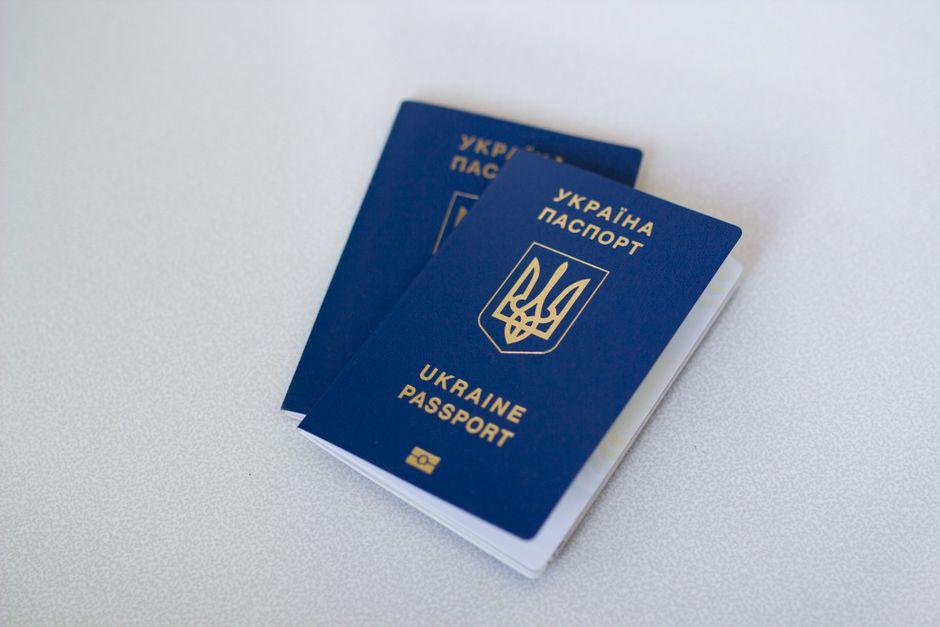
Exploring the True Meaning of Dual Citizenship and How It Works
Dual citizenship, also known as dual nationality, refers to the legal status in which an individual is recognized as a citizen by two countries simultaneously. This means that a person holds two passports, enjoys rights, and assumes responsibilities in both nations at the same time. Typically, dual citizenship arises through birth (if born to parents of different nationalities or in a country with jus soli laws), naturalization, or marriage. Importantly, each country involved determines eligibility and conditions under its own laws, making dual citizenship a complex but increasingly common phenomenon worldwide. Understanding how dual citizenship works requires recognizing the balance between retaining loyalty to one’s original country while acquiring the full legal benefits of another.
When exploring practical implications, dual citizenship offers several advantages but also comes with unique challenges. Among the key benefits are:
- Travel flexibility: Access to two passports often facilitates easier international travel, visa-free entry, and extended stays abroad.
- Work and residency rights: Citizenship rights may grant freedom to live, work, and study in both countries without additional permits.
- Property ownership and inheritance: Dual nationals can own property and inherit assets under both countries’ legal frameworks.
On the flip side, dual citizens must navigate potential challenges such as:
- Tax obligations: Some countries tax based on citizenship rather than residency, requiring careful financial planning.
- Military service: Mandatory conscription or service requirements can apply in either country.
- Legal conflicts: Conflicting laws or diplomatic protection issues may arise, especially in cases of criminal matters or political disputes.
The table below summarizes these contrasts clearly:
| Aspect | Benefits of Dual Citizenship | Challenges of Dual Citizenship |
|---|---|---|
| Travel | Visa-free access, easier entry | Confusing passport use rules |
| Legal rights | Work/residence privileges in both countries | Potential legal conflicts |
| Financial | Access to banking and investments | Dual taxation risks |
| Civic duties | Voting rights in both nations | Possible military service in either country |

Why Dual Citizenship Could Be an Advantage for You
Dual citizenship allows you to legally hold citizenship in two countries simultaneously, which can open up a range of personal, professional, and financial advantages. One of the most significant benefits is increased global mobility: with two passports, you enjoy easier travel, often facing fewer visa restrictions and gaining access to additional consular protections abroad. For example, having citizenship in an EU country alongside your home nation lets you live, work, or study anywhere within the European Union with minimal bureaucratic hurdles. Additionally, dual citizenship can offer enhanced social services, such as healthcare and education, in both countries, giving you and your family more options and potentially better quality of life.
From a practical standpoint, dual citizenship can also serve as a strategic financial and legal tool. It enables you to diversify your business opportunities by participating in both countries’ economies, benefiting from tax treaties or investment incentives that single citizenship holders might miss. Moreover, it provides a safety net in times of political instability or conflict-if one country faces turmoil, you have the legal right to reside and work in your other country of citizenship. However, it’s essential to be aware of potential challenges, such as tax obligations and military service requirements, which vary globally and should be researched carefully before pursuing dual citizenship. Below is a comparison outlining key advantages:
| Advantages | Details |
|---|---|
| Travel Freedom | Access to multiple passports reduces visa restrictions and expands global travel options. |
| Work & Residency Rights | Ability to live, work, and study in two countries without additional permits. |
| Economic Opportunities | Access to business investments, tax benefits, and social programs in both nations. |
| Legal Safety Net | Right to reside in a second country during political or personal emergencies. |
Common Challenges People Face When Holding Two Passports
Holding two passports through dual citizenship offers unique freedoms, but it also comes with specific challenges that many individuals face. One of the most common issues is taxation complexities. Dual citizens may be obligated to file taxes in both countries, even if they don’t reside in one of them. This can lead to confusing tax rules, potential double taxation, and the need for professional advice to manage compliance effectively. Additionally, military service obligations can arise, as some countries require dual nationals to serve in their armed forces, which can cause unexpected legal and personal difficulties.
Another frequent complication involves travel restrictions and legal inconsistencies. While dual passports can simplify international travel, certain countries might not recognize dual citizenship, leading to denied entry or complications at borders. Moreover, laws concerning identification, voting rights, and residency requirements can differ widely between the two countries, posing challenges in understanding and adhering to both legal systems. Below is a concise overview of key challenges faced by dual passport holders:
| Challenge | Description |
|---|---|
| Tax Obligations | Potential need to file taxes or report income in both countries |
| Military Service | Mandatory conscription requirements in one or both countries |
| Travel Restrictions | Some countries do not recognize dual citizenship, complicating travel |
| Legal Conflicts | Differences in laws affecting property, inheritance, or civil duties |
| Voting and Civic Duties | Obligations and rights may vary and cause confusion |
How Dual Citizenship Compares Across Different Countries
Dual citizenship policies differ significantly worldwide, impacting how individuals can acquire, maintain, or lose their citizenship statuses. Some countries, like Canada and the United Kingdom, embrace dual citizenship without demanding individuals to renounce their original nationality, providing extensive rights such as access to social services and the ability to work or vote in both nations. Conversely, countries such as Japan and China enforce strict restrictions, often requiring citizens to relinquish other nationalities upon naturalization. This divergence affects benefits like travel flexibility, tax obligations, and political participation, making it crucial to understand each country’s stance before pursuing dual citizenship.
Here’s a concise comparison of dual citizenship acceptance and the associated implications in select countries:
| Country | Dual Citizenship Allowed? | Key Benefits | Common Challenges |
|---|---|---|---|
| Canada | Yes | Access to social services, political rights, visa-free travel | Possible tax filing complexities |
| United States | Yes | Employment opportunities, consular protection abroad | Double taxation unless agreements apply |
| Japan | No (with rare exceptions) | N/A | Must renounce other nationality by age 22 |
| Germany | Limited | Citizenship retention in specific cases like EU nationals | Generally requires renouncing other citizenships |
- Residency and Legal Obligations: Some nations impose residency requirements or military service obligations on dual citizens, which can complicate obligations or eligibility.
- Tax and Reporting: Dual citizens may face double tax filing or disclosure duties in their countries of citizenship, emphasizing the need for expert financial advice.
Understanding allows individuals to better navigate the legal landscape, identify eligibility criteria, and weigh the tangible benefits against potential obligations effectively.
Key Considerations Before Pursuing Dual Citizenship
- Legal Implications and Obligations: Before pursuing dual citizenship, it’s crucial to understand the legal responsibilities tied to holding two passports. This includes tax obligations, military service requirements, and whether either country restricts dual nationality. Some nations do not recognize dual citizenship, potentially leading to complications like losing one nationality upon acquiring another. Research how each country involved handles citizenship laws to avoid unexpected legal challenges.
- Impact on Personal Identity and Rights: Dual citizenship can affect your social status, voting rights, and even access to government benefits. For example, dual nationals may have the right to vote in both countries but might also face restrictions such as being barred from holding certain public offices. Consider how holding two citizenships aligns with your lifestyle, career goals, and family circumstances, keeping in mind that cultural expectations and national allegiances can vary greatly.
| Consideration | Key Questions to Ask | Potential Consequences |
|---|---|---|
| Taxation | Will I owe taxes in both countries? How are double taxation agreements handled? | Potential dual tax filing, unexpected liabilities |
| Military Service | Is military service mandatory in either country for dual citizens? | Obligation to serve, possible conflicts or exemptions |
| Travel Restrictions | Do both passports provide visa-free access to desired countries? | Limited mobility or increased travel flexibility |
| Loss of Citizenship | Could acquiring dual citizenship cause loss of original nationality? | Unintentional renunciation or legal disputes |
Insights and Conclusions
Navigating the world of dual citizenship opens a door to a complex tapestry of identity, opportunity, and responsibility. While it offers a unique blend of benefits-from expanded travel freedoms to diverse cultural connections-it also presents its own set of legal and personal challenges. By understanding what dual citizenship truly entails, individuals can make informed decisions that align with their values and aspirations. In the end, embracing this duality is not just about holding two passports-it’s about weaving together stories, rights, and duties that transcend borders and enrich our global experience.




