
In an increasingly interconnected world, the concept of identity is evolving beyond traditional boundaries. Dual nationality citizenship embodies this shift, offering individuals the unique privilege-and sometimes, complex challenge-of belonging to two countries simultaneously. But what does holding dual citizenship truly mean? Beyond the surface of passports and paperwork, this status carries a tapestry of benefits, responsibilities, and legal nuances that can profoundly shape one’s personal and professional life. In this article, we will unravel the essence of dual nationality citizenship, exploring its advantages, the important factors to consider, and the implications it holds in today’s global landscape. Whether you’re curious, considering applying, or simply want to understand this increasingly common phenomenon, this guide aims to provide clarity and insight into what dual nationality means in practice.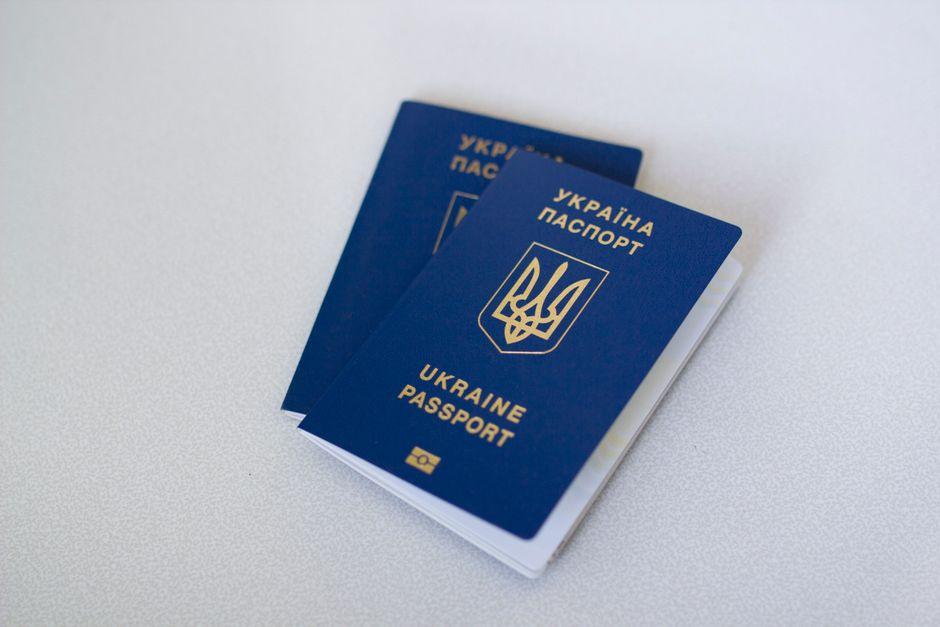
Exploring the Basics Behind Holding Two Passports
Holding two passports means legally possessing citizenship status in two different countries, allowing you to carry two separate travel documents. This dual passport scenario arises from dual nationality citizenship, where individuals benefit from the rights and obligations of both nations. Typically, this is possible when the countries involved permit dual citizenship, either by birthright, descent, marriage, naturalization, or other legal provisions. It’s important to understand that while a dual passport holder has distinct legal ties to both countries, the specific rules around taxes, military service, and political participation can vary widely based on each nation’s laws. For example, some countries might require you to declare your dual nationality, while others may not even acknowledge it formally, potentially leading to conflicts or loss of citizenship if not managed properly.
Exploring practical considerations can clarify the everyday impact of holding dual passports. The key benefits often include enhanced travel freedom-since visa requirements differ substantially between countries-and greater access to job markets, healthcare, and social services in both nations. However, it’s equally crucial to weigh potential challenges:
- Legal Obligations: You might be subject to citizenship duties such as taxes or national service in both countries.
- Diplomatic Protection: While traveling, consular assistance can be complex if you encounter legal issues in a country where your other nationality is recognized.
- Passport Use: Best practice often involves using the passport of the country you are entering or exiting to avoid complications at immigration.
| Aspect | Dual Passport Advantage | Potential Challenge |
|---|---|---|
| Travel Freedom | Access to more visa-free countries | Must manage conflicts between countries’ entry rules |
| Legal Responsibilities | Rights to work and live in two nations | Double taxation and military service risks |
| Consular Support | Broader diplomatic protection | Conflicting nationality claims can complicate help |

The Advantages and Challenges of Dual Citizenship in Today’s World
Dual citizenship offers a unique blend of advantages in today’s increasingly globalized world. Being recognized as a citizen by two countries allows individuals to enjoy broader rights, such as the ability to live, work, and study in multiple nations without the need for visas or work permits. This flexibility often translates into enhanced career opportunities, easier international travel, and access to social benefits like healthcare and education in both countries. Additionally, dual nationals can participate in the political processes of two countries, including voting and, in some cases, running for office. For families, especially those with multinational backgrounds, dual citizenship fosters stronger cultural ties and simplifies legal matters such as inheritance or property ownership across borders.
However, dual nationality is not without its complexities and challenges. Holding citizenship in two countries can lead to conflicting legal obligations, such as double taxation or compulsory military service requirements, depending on the nations involved. Managing different sets of laws, tax systems, and documentation can become burdensome, especially if the countries have strained diplomatic relations. Some countries restrict or do not recognize dual citizenship, potentially forcing individuals to renounce one nationality when acquiring another. To navigate these issues effectively, it’s recommended to:
- Research each country’s laws regarding citizenship rights, duties, and potential restrictions.
- Consult with legal or immigration experts to understand tax implications and avoid legal pitfalls.
- Consider long-term goals and obligations to ensure dual citizenship aligns with personal and professional plans.
| Aspect | Advantages | Challenges |
|---|---|---|
| Travel | Visa-free access to multiple countries | Potential scrutiny at borders due to dual documents |
| Legal Obligations | Rights to legal protections in both countries | Double taxation and military service requirements |
| Cultural Identity | Stronger ties to family heritage | Possible identity conflicts or social perception issues |
Common Misunderstandings About Dual Nationality Clarified
Dual nationality is often misunderstood, leading to misconceptions that can complicate personal and legal decisions. A common myth is that holding citizenship in two countries automatically means double taxation or mandatory military service in both places-this is not necessarily true. Tax obligations depend on the specific countries involved; for example, the U.S. taxes citizens on worldwide income regardless of residence, but many countries only tax income earned within their borders. Similarly, military service requirements vary widely, and some nations offer exemptions or alternative service options for dual nationals. Another frequent misunderstanding is that dual citizenship means giving up one country’s rights or allegiances, when in reality, it allows individuals to enjoy rights such as voting, property ownership, and access to social services in both countries, although each country’s laws can affect these rights differently.
To clarify further, here is a quick comparison of key elements often confused about dual nationality:
| Aspect | Common Misunderstanding | Reality |
|---|---|---|
| Taxation | Dual nationals must pay full taxes in both countries. | Tax treaties and residency rules usually prevent double taxation. |
| Military Service | Dual citizens must serve in the army of both countries. | Military obligations depend on each country’s laws and may provide exceptions. |
| Renouncing Citizenship | Dual citizenship requires giving up one nationality. | Most nations allow dual citizenship without forced renunciation. |
- Recommendation: Always consult the consulate or legal experts of each country to understand obligations and benefits specific to your situation.
- Note: Being informed about your rights and responsibilities prevents unintended complications and ensures you maximize the advantages of holding dual nationality.
How to Decide If Dual Citizenship Is the Right Choice for You
Deciding if dual citizenship is the right choice involves weighing both personal circumstances and long-term goals. Start by evaluating your connection to the countries involved-consider factors like family ties, career opportunities, and lifestyle preferences. Dual citizenship can offer advantages such as ease of travel, expanded work options, and access to social benefits in both countries, but it may also come with complexities like tax obligations, military service requirements, or legal restrictions. It’s essential to research how each country treats dual nationality, as some impose strict rules that might limit your rights or force you to choose one citizenship over another eventually.
To clarify your decision-making process, here’s a quick comparison of key considerations you should assess:
| Factor | Benefits of Dual Citizenship | Potential Drawbacks |
|---|---|---|
| Legal Rights | Voting rights in both countries; access to legal protections; | Complicated legal status; possible loss of rights or restrictions; |
| Taxation | Access to dual tax treaties; | Possible double taxation; complex filing requirements; |
| Travel & Work | Visa-free travel; ability to work and live freely; | Mandatory military service in one country; |
| Family & Heritage | Strengthened cultural ties; easier family reunification; | Conflicts in cultural expectations or obligations; |
Before making a final decision, consult with immigration experts or legal advisors who can provide tailored advice based on your unique situation. Taking time to fully understand the obligations and rights dual citizenship entails will help you avoid common pitfalls and ensure that this choice aligns with your personal and professional aspirations.
Navigating Legal and Practical Issues When Balancing Two Allegiances
Balancing two allegiances through dual nationality citizenship often brings complex legal and practical challenges that individuals must carefully navigate. For example, dual citizens may face conflicting obligations such as mandatory military service in one country while holding civilian status in another. Furthermore, taxation is a major concern; many countries tax citizens on worldwide income regardless of residence, which can lead to double taxation unless treaties apply. It’s crucial to understand how each nation’s laws impact your rights and responsibilities-such as voting rights, legal protections, and passport validity-to avoid unintended consequences in travel, work, or residency. Differences in criminal laws and family law also pose unique challenges, especially when dealing with custody or inheritance issues across borders.
To manage these complexities effectively, dual nationals should consider key factors:
- Understand each country’s nationality laws: Some nations recognize dual citizenship unconditionally, while others impose restrictions or require formal notifications to authorities.
- Stay informed about tax obligations and treaties: Consulting tax professionals familiar with cross-border issues helps prevent penalties and optimize compliance.
- Maintain clear documentation: Carry valid passports, keep records of residency, and retain any official correspondence related to citizenship status.
- Evaluate political and diplomatic implications: Be aware of how diplomatic relations between countries might affect consular assistance or legal recourse abroad.
| Consideration | Potential Impact | Recommendations |
|---|---|---|
| Military Service Obligations | Possible conscription or penalties | Check laws early; apply for exemptions if eligible |
| Tax Compliance | Double taxation or fines | Consult tax advisors; utilize treaties |
| Travel Restrictions | Visa requirements vary by passport used | Use appropriate passport; verify entry rules before travel |
Future Outlook
In a world that grows ever more interconnected, dual nationality citizenship stands as a unique bridge-linking cultures, opportunities, and identities across borders. Understanding what it truly means, along with its benefits and important considerations, empowers you to navigate this complex landscape with clarity and confidence. Whether motivated by family ties, career prospects, or personal growth, embracing dual nationality is more than a legal status-it’s a gateway to a broader sense of belonging and possibility. As the journey unfolds, staying informed and mindful ensures that this dual path enriches your life in ways both practical and profound.




