
In an increasingly interconnected world, the concept of citizenship is evolving beyond traditional borders and passports. For entrepreneurs, investors, and global citizens alike, securing a second passport through investment programs offers not only an enhanced sense of freedom but also strategic advantages in travel, business, and residency. Understanding investment citizenship unlocks a gateway to new opportunities by blending financial commitment with the promise of global mobility. This article explores the landscape of citizenship-by-investment programs, demystifying how global investment can pave the way to obtaining a second passport and the unique benefits it brings in today’s dynamic world.
Unlocking the Basics of Investment Citizenship and What It Means for You
Investment citizenship refers to the process through which individuals acquire citizenship in a country by making a substantial financial investment, typically in real estate, government bonds, or local businesses. Unlike traditional citizenship pathways like naturalization, which can take years, investment citizenship programs provide a faster, often more straightforward route to a second passport. These programs are designed to attract foreign capital and stimulate economic growth, making them a popular option for high-net-worth individuals seeking increased global mobility, enhanced business opportunities, and security. Common benefits include visa-free travel to numerous countries, tax advantages, and the ability to live, work, and study in the host country. Before committing, it’s essential to understand the eligibility criteria, minimum investment thresholds, and due diligence processes typical of these programs, as they vary widely by country.
When considering investment citizenship, you’ll also want to weigh potential challenges and differences across programs. For instance, some countries require physical residency or multiple visits, while others offer a fully “no residency” pathway. The most common investments fall into three categories:
- Real estate: Purchase property above a set value, often with restrictions on resale periods.
- Government bonds: Direct contribution to public funds, sometimes refundable after a fixed term.
- Business investments: Establishment or capital infusion in local companies creating jobs.
| Program Feature | Typical Range or Requirement |
|---|---|
| Investment Amount | $100,000 to $2 million+ |
| Processing Time | 3 months to 1 year |
| Residency Requirements | None to 6 months minimum |
| Common Benefits | Visa-free travel, tax benefits, family inclusion |
Evaluating all these factors will help align your personal goals with the right investment citizenship program, turning a second passport from an abstract concept into a strategic asset tailored for your global lifestyle.
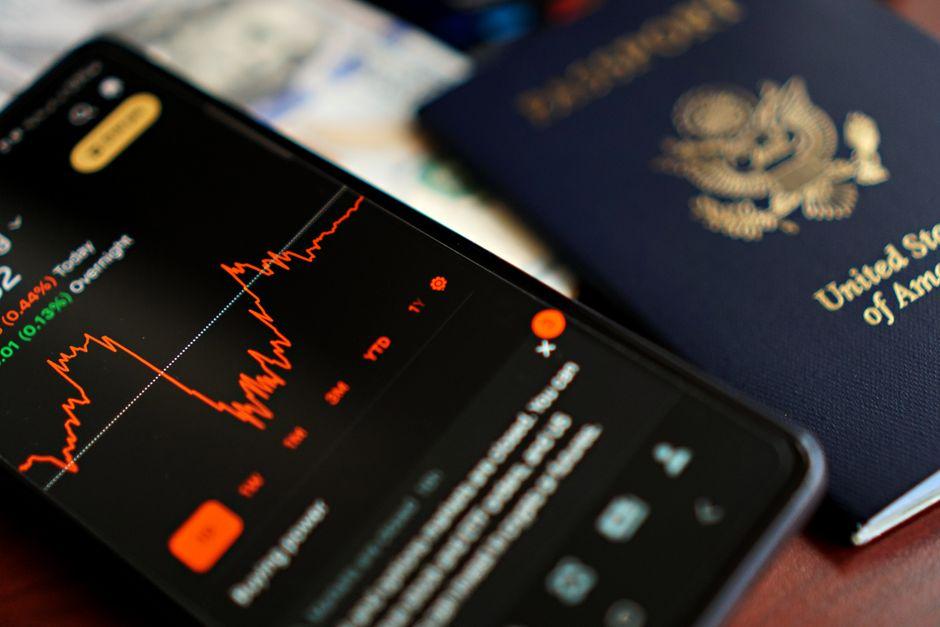
Exploring the Advantages and Challenges of Acquiring a Second Passport Through Investment
Acquiring a second passport through investment offers numerous strategic advantages that appeal to high-net-worth individuals seeking greater global mobility, tax optimization, and enhanced personal security. By participating in government-approved citizenship-by-investment programs, investors can gain visa-free or visa-on-arrival access to multiple countries, often including major global economies. Additional benefits include favorable residency requirements, the ability to pass on citizenship to future generations, and expanded business opportunities across borders. These programs typically require a significant financial commitment, such as real estate purchases, government bonds, or direct contributions to national development funds, which can also serve as a diversification tool in a global wealth strategy.
Despite these compelling benefits, prospective applicants should weigh several common challenges linked with investment citizenship. Key considerations involve thorough due diligence to avoid fraud or unstable programs, understanding the complex and varying legal frameworks, and managing lengthy application processes that may take several months or more. Moreover, some countries impose strict residency or physical presence requirements, while others scrutinize source-of-funds documentation rigorously, which can delay approvals. Comparing popular programs-such as those offered by Caribbean states versus European nations-reveals marked differences in cost, processing time, and post-citizenship obligations, making it essential to align program selection with personal goals and compliance capabilities.
How to Choose the Right Global Investment Program for Your Citizenship Goals
Selecting the right global investment program to secure a second passport involves a careful evaluation of your personal goals, financial capacity, and desired timeline. Start by defining your primary motivations-whether they prioritize visa-free travel, tax advantages, family inclusion, or lifestyle improvements. Compare programs based on key criteria such as minimum investment amounts, types of eligible investments (real estate, government bonds, or business ventures), processing times, and the degree of due diligence involved. For instance, some programs offer fast-track citizenship within six months but require substantial investments, while others may be more affordable but demand longer residency or extended background checks. Understanding these factors upfront helps in narrowing down options that align best with your citizenship objectives and risk tolerance.
Additionally, consider the legal and tax implications both in the new country and your home country, as these can significantly impact the benefits of a second passport. It’s important to assess the reputational standing of the program, as many countries have enhanced scrutiny and compliance standards to prevent fraud and money laundering. Engaging with professional advisors who specialize in citizenship-by-investment can offer tailored insights and guide you through complex application procedures. To aid your decision, here’s a comparative overview of common investment routes:
| Investment Route | Minimum Investment | Typical Processing Time | Common Advantages |
|---|---|---|---|
| Real Estate Purchase | $200,000 – $500,000+ | 6-12 months | Tangible asset ownership, potential rental income |
| Government Donation | $100,000 – $250,000+ | 3-6 months | Fast processing, simplified application |
| Business Investment | $500,000 – $1,000,000+ | 12+ months | Job creation, active involvement in local economy |
Common Misconceptions About Investment Citizenship Explained
Investment citizenship is often misunderstood, leading to misconceptions that can deter potential applicants. One common myth is that it guarantees an easy or instant passport. In reality, these programs require a thorough vetting process, including background checks and financial disclosures. Another widespread belief is that investment citizenship equates to tax evasion. While some investors gain tax benefits, most programs have strict compliance rules to prevent illegal activity. Additionally, many think that only ultra-high-net-worth individuals can qualify; however, several nations offer scalable investment thresholds to attract a broader range of applicants.
Prospective investors frequently confuse residency-by-investment with citizenship-by-investment. It’s important to distinguish that residency programs grant temporary or permanent residence, often without citizenship rights, whereas investment citizenship confers full nationality, including voting and passport privileges. Furthermore, another misconception is that all second passports provide visa-free travel to the same countries. Visa access varies significantly by country offering the program, affecting the actual mobility benefits. Here’s a brief comparison to clarify key differences:
| Aspect | Residency by Investment | Citizenship by Investment |
|---|---|---|
| Rights Granted | Legal residency, limited political rights | Full citizenship, including voting & passport |
| Processing Time | Months to years | Typically months, some programs faster |
| Investment Requirement | Varies, often real estate or business | Often donations, real estate, or government bonds |
| Travel Benefits | Limited to residency country | Visa-free or visa-on-arrival access to multiple countries |
Expert Tips for Navigating the Process of Securing a Second Passport
- Understand Key Program Requirements: Before initiating your application, thoroughly review each country’s investment citizenship program criteria. Programs differ significantly in minimum investment amounts, acceptable asset types (real estate, government bonds, business ventures), and residency obligations. For example, some Caribbean nations require no physical presence, while European programs might demand several days annually to maintain citizenship. Prioritize programs that align with your lifestyle and financial capabilities to avoid delays or ineligibility.
- Prepare Meticulous Documentation: A common roadblock in securing a second passport is incomplete or improperly organized paperwork. Essential documents usually include valid passports, birth and marriage certificates, police clearance certificates, proof of funds origin, and detailed business or investment plans. Engage experienced legal advisors who specialize in investment citizenship to ensure all paperwork complies with local regulations and undergoes certified translations if necessary.
| Step | Tip | Benefit |
|---|---|---|
| 1 | Engage Reputable Service Providers | Streamlines application process and reduces risk of rejection |
| 2 | Conduct Comprehensive Due Diligence | Ensures personal eligibility and avoids legal complications |
| 3 | Consider Long-Term Commitments | Aligns investment with future citizenship goals and obligations |
Navigating the process of securing a second passport through investment programs demands strategic planning and informed decision-making. Working closely with licensed agents and attorneys who possess in-depth knowledge of global investment citizenship options can dramatically improve success rates, minimizing the risk of delays or application denial. It’s equally critical to consider the tax implications and ongoing maintenance fees associated with your second citizenship to optimize the long-term value of your investment.
Additionally, compare program benefits beyond minimal investment requirements-such as visa-free travel access, political stability, family inclusivity, and application processing times. Some countries offer accelerated procedures or refund policies that can be decisive factors in your choice. By approaching this process with clear priorities and expert guidance, applicants can navigate complex legal frameworks with confidence, turning the prospect of a second passport into a tangible asset for global mobility and wealth diversification.
The Way Forward
In a world where borders shift and opportunities beckon beyond familiar horizons, investment citizenship emerges as a powerful key-unlocking not just a second passport, but access to new beginnings, security, and global mobility. While the path demands careful navigation through complex legal and financial landscapes, the potential rewards extend far beyond convenience. They represent a strategic move toward freedom, diversification, and the embrace of a truly international lifestyle. As you consider your own journey toward obtaining a second citizenship through global investment programs, remember that knowledge and due diligence are your steadfast companions-ensuring that each step taken is both informed and purposeful in forging a future without borders.




