
In an increasingly interconnected world, the concept of identity extends beyond borders and passports, weaving a complex tapestry of allegiance and opportunity. Triple citizenship-holding legal citizenship in three different countries-is a phenomenon that captivates the imagination and raises intriguing questions about nationality, rights, and responsibilities. What does it truly mean to belong simultaneously to three nations? This article explores the multifaceted nature of triple citizenship, uncovering its unique benefits, the challenges it might bring, and the pathways to legally obtain such a status. Whether driven by heritage, career, or personal choice, understanding triple citizenship is essential for navigating the global landscape of modern identity.
Exploring the Concept and Legality of Holding Three Passports
Holding three passports, commonly known as triple citizenship or triple nationality, involves legally acquiring the citizenship of three different countries simultaneously. This status can occur through various means such as birthright, naturalization, or descent, depending on the laws of each country involved. It’s essential to understand that the legality of holding multiple citizenships varies significantly worldwide. While some nations permit unrestricted multiple citizenships, others either prohibit or impose strict conditions on dual or triple citizenship status. Before pursuing or claiming triple citizenship, individuals should thoroughly research the specific legal frameworks of each country, including obligations like military service, taxation, and requirements for renunciation of previous citizenships.
Benefits of holding triple citizenship often include enhanced global mobility with more powerful passports, access to multiple social services and education systems, and expanded business or employment opportunities. However, it comes with challenges such as potential tax complications, conflicting legal responsibilities, and complex political implications. To illustrate, here’s a brief comparison of common legal stances on multiple citizenship:
| Country | Multiple Citizenship Allowed? | Key Restrictions |
|---|---|---|
| United States | Yes | Must file taxes globally; no renunciation required |
| Germany | Limited | Usually requires renunciation of previous citizenships |
| India | No | Does not permit dual or triple citizenship |
For those considering triple citizenship, it is advisable to consult with immigration lawyers or experts familiar with the laws of the specific countries involved. Clear knowledge of the legal implications helps avoid unintended citizenship forfeiture and ensures all rights and responsibilities are maintained properly across borders.
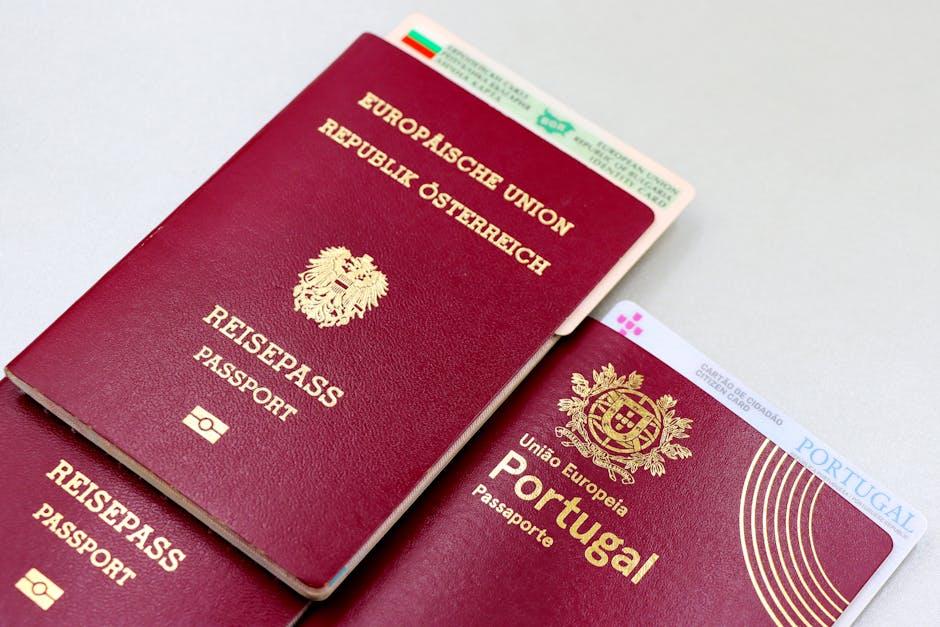
Weighing the Advantages and Potential Complications of Triple Citizenship
Navigating the advantages and potential complications of triple citizenship requires a careful assessment of how holding three nationalities could impact your personal, legal, and financial circumstances. On the positive side, triple citizenship often grants enhanced global mobility, with access to multiple passports easing visa restrictions and travel barriers. It can also open diverse opportunities for work, education, and residency in various countries, enabling individuals to tap into broader social services, healthcare, and cultural benefits. Additionally, being a citizen in three nations can facilitate family reunification and heritage preservation by legally connecting you to different cultural roots. From a practical standpoint, multiple citizenships may offer tax optimization possibilities when structured correctly within international law.
However, the challenges of triple citizenship can be equally significant and shouldn’t be overlooked. Individuals may face conflicting obligations such as mandatory military service, dual taxation, or complex legal requirements in each country. Some nations do not recognize multiple citizenships and might impose restrictions, which can cause complications in areas like property ownership or inheritance rights. Administrative burdens increase as you must comply with each country’s citizenship laws, renewal processes, and documentation, potentially leading to legal vulnerabilities if mismanaged. Below is a simplified comparison outlining key considerations:
| Aspect | Triple Citizenship Benefits | Potential Complications |
|---|---|---|
| Travel & Mobility | Wider visa-free access | Confusion over valid passports in certain countries |
| Legal Obligations | Access to rights & protections | Possible military service requirements or legal conflicts |
| Financial Considerations | Tax planning and diversified investment options | Multiple tax filings and risk of double taxation |
| Administrative | Broader governmental support | Increased bureaucratic complexity and renewal processes |
For those considering triple citizenship, it’s advisable to consult immigration experts and legal advisors to understand the nuances specific to the countries involved. Weigh the personal benefits against the administrative and legal demands to determine if holding three citizenships aligns with your long-term life goals and responsibilities.
Common Myths and Realities About Multiple Nationalities
Myth #1: Holding multiple citizenships means automatic tax obligations everywhere. While it’s true that some countries, like the United States, tax citizens on global income regardless of residency, most nations only tax based on residence or income originating within their borders. Triple citizenship does not inherently double or triple your tax liabilities, but it does require careful navigation of each country’s tax laws to avoid penalties or double taxation. Utilizing tax treaties and professional advice is crucial. Moreover, multiple nationalities don’t automatically grant unrestricted rights; challenges such as mandatory military service or differing legal responsibilities can still apply depending on the countries involved.
Myth #2: You must give up previous citizenships when acquiring a new one. This is a common misconception, but the reality varies widely by country. Some nations permit dual or even triple citizenship without forcing renunciation, while others have strict single-citizenship policies. For example, Canada and the UK allow multiple citizenships, whereas countries like China typically do not. Understanding each country’s stance is essential before pursuing triple citizenship. Additionally, the benefits of holding three passports can include smoother international travel, easier business operations across borders, and access to social services – but they come with complexities such as managing legal obligations in each nation, which require informed decision-making rather than assumptions based on myths.
Key Considerations When Seeking Citizenship in Three Countries
When pursuing citizenship in three countries, understanding each nation’s legal framework is crucial. Not all countries allow triple citizenship, and the rules can vary significantly-from outright prohibitions to conditional acceptance. For example, some countries permit multiple citizenships only if acquired by birth or descent, while others may require you to renounce previous nationalities upon naturalization. This legal nuance can affect your eligibility and long-term rights, including voting, property ownership, and access to social benefits. Additionally, tax obligations can become complex, as some countries tax citizens on worldwide income regardless of residence, potentially leading to double or triple taxation without comprehensive treaties in place.
Practical considerations include how your triple citizenship status impacts travel, military service, and emergency support abroad. Holding passports from three countries can simplify international mobility, but it may also introduce difficulties such as conflicting diplomatic protections or mandatory military drafts in certain countries. It’s important to weigh the tangible benefits-like ease of work permits and business opportunities-against challenges such as bureaucratic complexities and potential identity verification issues. Here’s a quick comparison of typical pros and cons to keep in mind:
| Aspect | Benefits | Challenges |
|---|---|---|
| Legal Status | Broad rights and protections in multiple jurisdictions | Possible automatic loss of citizenship or conflicting laws |
| Taxation | Access to diverse financial systems and benefits | Complex tax filings; risk of double taxation |
| Travel | More visa-free access and travel flexibility | Passport use restrictions in some countries |
| Military Service | Potential exemptions in one or more countries | Mandatory service requirements or dual obligations |
Navigating Eligibility and Application Processes for Diverse Citizenship Paths
When exploring the pathways to triple citizenship, understanding eligibility criteria is crucial since each country involved has unique regulations governing naturalization, descent-based citizenship, or marriage-related claims. Typically, eligibility hinges on factors such as birthplace, parentage, residency duration, and in some cases, language proficiency or cultural integration tests. For example, a person may qualify for triple citizenship by birthright in one country, through parental lineage in another, and by naturalization in a third. However, it’s essential to confirm that none of the countries prohibit multiple citizenships or impose limits on the number held simultaneously. Laws can vary widely-from automatic acceptance of multiple nationalities to demanding formal declarations or even requiring renunciation of previous citizenships before acquiring another.
To effectively navigate the application processes for diverse citizenship paths, prospective triple citizens should approach each country’s requirements systematically. This involves collecting comprehensive documentation-such as birth certificates, proof of ancestry, residency permits, and language certifications-and adhering strictly to deadlines and application formats. Many applicants find it helpful to consult official embassy websites or seek professional legal advice, especially to clarify complex matters like dual citizenship treaties or tax obligations. Below is a simplified comparison of common citizenship acquisition methods for reference:
| Citizenship Path | Typical Eligibility Criteria | Potential Complications |
|---|---|---|
| Birthright (Jus Soli) | Born within a country’s territory | Some countries do not grant citizenship based solely on birthplace |
| Descent (Jus Sanguinis) | Having a parent or grandparent who is a citizen | Proof of lineage can be difficult; varying degrees of generational allowance |
| Naturalization | Residency period, language, and integration tests | Lengthy processing times and fees; possible renunciation required |
| Marriage | Spouse citizenship, sometimes faster naturalization | Marriage must be bona fide; not all countries allow automatic citizenship |
- Recommendation: Maintain a clear record of all submitted applications and responses to avoid delays or confusion.
- Tip: Early preparation and familiarization with each country’s regulations can prevent unexpected disqualifications.
In Summary
In the intricate tapestry of global identity, triple citizenship weaves together threads from three distinct nations, creating a unique blend of opportunity and complexity. While the benefits-ranging from expanded mobility to diversified rights-can open doors to new adventures and advantages, the challenges remind us that such privileges come with layers of responsibility and careful navigation. Understanding how to qualify for triple citizenship is not merely a bureaucratic endeavor but a thoughtful exploration of heritage, law, and personal circumstance. As the world grows ever more interconnected, triple citizenship stands as both a symbol and a tool of our multifaceted modern lives, inviting us to consider what it truly means to belong-and to belong many times over.




