
In an increasingly interconnected and unpredictable world, the concept of a second passport has evolved far beyond its traditional role as a mere safety net. More than a contingency plan, a second passport has emerged as a powerful tool-an ultimate financial weapon that can unlock new opportunities, safeguard assets, and enhance global mobility in ways that were once unimaginable. This article explores why acquiring a second citizenship is not just about having a backup plan; it’s about strategically positioning yourself for economic resilience and freedom in an ever-changing landscape.
Beyond Borders and Backups How a Second Passport Transforms Financial Strategy
Many narratives about second passports fixate narrowly on their role as a contingency plan – a safety net for political instability or financial collapse in one’s home country. While this backup narrative has traction, it risks understating how profoundly a second passport can recalibrate one’s entire financial strategy. Instead of merely offering an escape hatch, a second citizenship transforms wealth management by expanding access to global markets, tax regimes, banking systems, and investment opportunities. It’s not about leaving home behind; it’s about gaining options that recalibrate risk and reward on an unprecedented scale. This means that acquiring a second passport should be viewed less as a defensive maneuver and more as a strategic financial pivot – one that forces a reassessment of where and how capital can be optimized rather than just preserved.
However, not all second passports deliver equal financial leverage, underscoring the necessity for nuanced selection rather than a scattergun approach. Consider critical differentiators:
- Tax treaties: Some passports open doors to bilateral agreements that can significantly reduce withholding taxes on dividends or interest.
- Banking freedom: Enhanced ease to open offshore accounts and access international credit.
- Investment gateway: Citizenship enabling direct participation in local real estate or private equity without burdensome restrictions.
These factors mean the “best” second passport hinges on individual financial anatomy – income source, asset composition, and intended asset mobility. For instance, a passport from a country with strong investment treaties but complicated banking regulations may serve a high-net-worth investor differently than an entrepreneur seeking simplified incorporation and access to emerging markets. Hence, rather than chase exotic nationalities for their prestige or visa-free travel alone, meticulous due diligence and alignment with one’s financial blueprint is what elevates a second passport from a backup document to an ultimate financial weapon.
The Costly Illusion of Security Why a Second Passport Isn’t a Failproof Safety Net
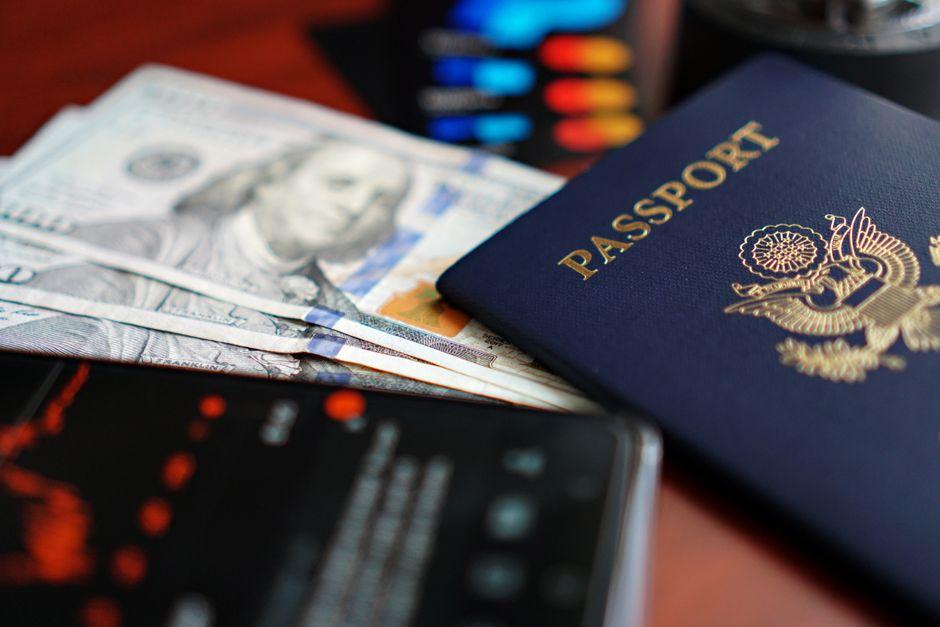
Possessing a second passport often conjures images of invincibility-an unassailable financial fortress and a guaranteed escape route. Yet, this perception is a double-edged sword, where the illusion of bulletproof security can lead to complacency. A second passport, by itself, doesn’t abolish risks; it merely shifts the battleground. Geopolitical climates evolve, international tax laws tighten, and countries tighten their grip on cross-border financial flows. What may seem like a fortress today can quickly turn into a labyrinth of compliance headaches tomorrow. This reality calls for a reframing: a second passport is not an automatic shield but a valuable, adaptable tool within a broader, well-coordinated strategy rather than a standalone failsafe.
It’s crucial to weigh the trade-offs between convenience and vulnerability. For example, countries offering “passport-for-investment” programs often carry reputational risks and face sudden policy reversals that can erode passport value overnight. A table overview highlights this dichotomy:
| Type of Second Passport | Security Aspect | Risk Factor |
|---|---|---|
| Birthright or Heritage Passports | High long-term stability, lower subject to policy shifts | Complex lineage verification, may lack global mobility |
| Investment or Economic Citizenship | Rapid acquisition, expanded travel freedom | Potential for sudden devaluation, regulatory scrutiny, and ethical concerns |
- Nuanced Recommendation: Integrate your second passport with robust financial planning, tax optimization, and diversified asset allocation-don’t rely on it as a lone safety net.
- Smart Distinction: Understand the geopolitical trajectory and legal landscape of the issuing country rather than chasing passports simply for “ease of exit.”
The mantra shouldn’t be “collect passports,” but “strategically deploy passports.” When combined with active risk assessment and adaptive wealth management, a second passport transcends its symbolic value and evolves into a tangible financial weapon-dynamic, responsive, and powerful. Blind reliance, however, is the costly illusion.
Weighing Freedom Against Complexity The Hidden Trade Offs of Dual Citizenship
Dual citizenship often evokes images of boundless freedom: unrestricted travel, diversified investments, and global networking. Yet, this freedom comes intertwined with an intricate tapestry of legal and fiscal obligations that many overlook until they become entangled. The allure of a second passport as a safeguard against geopolitical flux or economic instability must be tempered by recognition of its “hidden costs.” These are not merely financial-though tax declarations across multiple jurisdictions can spiral into a maze of forms and penalties-but also regulatory. Varying citizenship laws mean complexities like compulsory military service, mandatory national contributions, or limitations on certain professional roles that significantly erode the purported liberty. Thus, dual citizenship is less a free pass and more a strategic balancing act, where the plaintiff must adjudicate the value of newly granted options against persistent layers of accountability.
To navigate this terrain wisely, discerning investors should weigh these nuanced trade-offs with laser focus on their personal and financial blueprint. Here is an often-missed distinction: not all second citizenships carry equal burdens or benefits. For example:
- Taxation complexity: Some countries impose citizenship-based taxation, demanding global income reporting (e.g., the U.S.), while others rely on territorial-based systems, substantially easing compliance.
- Diplomatic protection: Dual nationals may face scenarios where neither country fully advocates on their behalf, especially if interests conflict.
- Legal responsibilities: Obligations such as jury duty or voting can vary dramatically and unexpectedly destabilize plans.
Below is a succinct comparison illustrating these differences:
| Aspect | Country A (Citizenship-Based Taxation) | Country B (Territorial-Based Taxation) |
|---|---|---|
| Tax Filing Scope | Global income must be reported yearly | Only domestic income reported |
| Military Service | Mandatory for male citizens under 30 | No conscription |
| Voting Requirement | Mandatory voting laws | Voluntary voting |
In this light, the decision to acquire dual citizenship demands rigorous appraisal beyond the surface glamour. Professionals should conduct a bespoke risk-benefit analysis-not only of financial returns but also of the personal administrative labor and geopolitical reliability. Only by reframing dual citizenship as a calculated trade-off-not an unfettered freedom-can one harness its full potential as a financial weapon rather than becoming ensnared in its undercurrents.
Unlocking Global Opportunities with Caution When Multiple Passports Create Tangled Tax Scenarios
Multiple passports often evoke images of seamless global mobility and untapped financial avenues, yet the reality is far more complex, particularly when it comes to taxation. Contrary to the popular narrative that more passports simply mean more freedom, the truth is that holding multiple citizenships can entangle your financial life in a web of conflicting tax laws, double taxation risks, and reporting obligations. Countries differ sharply in how they tax foreign income, wealth, and even expatriation, making the simplistic notion of “tax-free” citizenship a dangerous oversimplification. For instance, U.S. citizens are taxed on their global income regardless of where they reside, while other nations tax based purely on residency. Without a strategic approach, a second or third passport might transform into a costly compliance maze rather than a financial safeguard.
To unlock global opportunities without being ensnared in tangled tax scenarios, deliberate trade-offs and nuanced planning are crucial. First, prioritize passports from jurisdictions with clear, investor-friendly tax regimes or favorable double taxation treaties over those offering superficial visa advantages. Consider how each passport’s tax regime aligns with your global income sources and long-term wealth objectives. An often-overlooked strategy is leveraging tax residency resets or structured offshore vehicles to harmonize obligations across passports. However, always weigh the cost and complexity against the actual mobility and tax benefits gained. Remember, your financial ecosystem isn’t about the quantity of passports but the quality of tax planning and transparency you build around them.
| Passport Country | Taxation Basis | Typical Reporting Burden | Key Trade-Off |
|---|---|---|---|
| United States | Citizenship-based worldwide income tax | High (FBAR, FATCA) | Global tax compliance cost vs. unmatched global access |
| United Arab Emirates | No income tax, residency-based benefits | Low | Residency requirements vs. tax neutrality |
| Portugal | Residency-based with NHR favorable regime | Moderate | Temporary preferential tax status vs. residency obligations |
- Insight: More passports do not absolve you from tax responsibility-they merely multiply variables.
- Recommendation: Engage specialized tax counsel to create a cross-border strategy tailored to your citizenship constellation.
- Warning: Beware of “tax haven” illusions; the interplay of global tax systems is rarely black and white.
Rethinking Residency Solutions Smarter Alternatives to Solely Relying on a Second Passport
Residency programs frequently get overshadowed by the allure of second passports, yet they offer a fundamentally different set of benefits and risks that deserve sharper scrutiny. Unlike citizenship, residency-whether permanent or temporary-grants significant flexibility without the weight of full nationality obligations, such as taxation or mandatory service. However, it is a mistake to assume residency is merely a stepping stone to citizenship or “second passport lite.” In reality, smart financial strategists recognize that residency can serve as a primary tool for optimizing lifestyle, minimizing tax liabilities, and enhancing global mobility without the geopolitical implications passports entail. The trade-off, though, often comes down to the legal and bureaucratic fragility of residency statuses, which can be revoked or altered more easily by host countries compared to citizenship, making it a less secure asset for long-term financial planning.
To rethink residency as a viable alternative to leaning solely on second passports, consider the specific leverage points different residency types provide across personal finance, legal diversification, and travel freedom. For instance, golden visa programs often require hefty investments but yield residency advantages that many passport programs cannot replicate, like easier property ownership or business establishment rights. Meanwhile, digital nomad residencies are emerging as nimble options for location-independent entrepreneurs, yet they lack permanency and robust tax treaty protections. A nuanced decision matrix might look like this:
| Residency Type | Financial Benefit | Mobility | Security | Best Use Case |
|---|---|---|---|---|
| Golden Visa | Tax optimization, investment returns | Moderate; depends on country agreements | Medium to high; tied to investment staying valid | Investors seeking stable foothold |
| Digital Nomad Visa | Limited; mostly lifestyle savings | High for remote travel but short-term | Low; visa renewal often challenging | Remote workers, entrepreneurs |
| Permanent Residency | Substantial; strong tax treaty access | Moderate; citizenship always a potential next step | High; less revocable than temporary visas | Long-term planners avoiding dual citizenship |
- Trade-offs are inherent: For those weighing citizenship against residency, it’s crucial to analyze whether the total cost, mobility, and legal permanence align with your broader financial weapons arsenal.
- Residency should complement, not replace: Thoughtfully integrated, residency solutions can diversify risk and amplify opportunity in ways that a second passport alone cannot accomplish.
Insights and Conclusions
In an increasingly interconnected and unpredictable world, a second passport transcends the notion of mere security; it evolves into a strategic asset-a key that unlocks unparalleled financial opportunities and freedom. Far from being just a fallback plan, it becomes a dynamic tool that empowers you to navigate global markets, optimize taxation, and safeguard your wealth with agility. Embracing this perspective allows you to see beyond borders and envision a future where your financial potential is truly borderless. Ultimately, a second passport is not just a backup-it’s your ultimate financial weapon, ready to turn challenges into advantages in the ever-shifting landscape of global finance.




