
In a world where aspirations often take shape through the places we call home, the journey from mere dreams to tangible doorways is both profound and complex. Citizenship through property investment has emerged as a pathway that transforms visions of belonging into legal realities, offering individuals a unique bridge between opportunity and identity. This exploration unpacks the intricate route one embarks upon when turning a real estate transaction into more than just an acquisition-into a passport to new beginnings, rights, and responsibilities. Join us as we navigate the delicate balance of ambition, legality, and the pursuit of a place to truly call one’s own.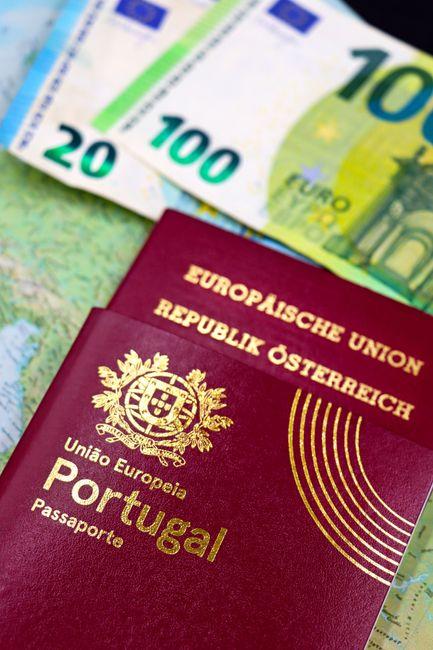
Understanding the Promise and Pitfalls of Citizenship by Investment
- Maria’s Caribbean Dream vs. Reality: When Maria first heard about citizenship by investment (CBI), she pictured a seamless transaction-purchase a property, complete paperwork, and enjoy a new passport within months. However, her journey turned more complex. The property she invested in required lengthy approvals, local council permissions delayed the project, and additional due diligence checks extended her wait. Maria’s experience is a common one: while CBI offers an alluring shortcut to new citizenship, it often involves unexpected bureaucratic hurdles and timing uncertainties. These delays can test patience and add unforeseen costs, reminding investors that a well-prepared plan and realistic timelines are critical.
- Lessons from Alex: Weighing Risks Against Rewards: Alex, an entrepreneur from Europe, chose a CBI program primarily for the visa-free travel advantages. Yet, after purchasing real estate, he realized that resale restrictions in the host country limited his financial flexibility. Additionally, while some programs expedite citizenship within six months, others can drag beyond a year or more, with renewal requirements or additional investments down the line. His decision highlighted the importance of a thorough analysis not just of the initial investment but also post-purchase conditions, like property liquidity, ongoing compliance requirements, and potential legal pitfalls. When considering CBI, investors must ask themselves: What am I willing to sacrifice or compromise to unlock the doors a new citizenship promises?
| Expectation | Reality | Lesson Learned |
|---|---|---|
| Immediate Citizenship upon Investment | Processing times vary widely-sometimes over a year | Plan for patience; don’t assume instant results |
| Property Purchase as a Liquid Asset | Resale restrictions and market variability may limit liquidity | Investigate local laws thoroughly before committing |
| Single-step Process | Multiple vetting stages, background checks, and legal requirements | Engage expert advisors for guidance to avoid surprises |

Weighing Financial Commitments Against Long-Term Residency Goals
- Jenny’s Experience: When Jenny first explored property investment as a path to citizenship in Portugal, she was drawn by the promised benefits-a relatively quick residency permit and a potential golden visa for her family. However, her initial enthusiasm met a hard reality check when she realized that the upfront costs extended well beyond the property price: legal fees, taxes, and unexpected maintenance expenses significantly stretched her budget. Her decision point came as she balanced these immediate financial pressures against the longer-term benefits of residency-that led her to scale back her property expectations and focus on a more modest investment with lower ongoing costs.
- Lesson Learned: Jenny’s situation highlights a critical balance: a flashy, high-value investment doesn’t always translate to smoother residency approval or a better quality of life. Sometimes, less expensive or strategically located properties can better align with your lifestyle and the bureaucratic requirements involved, thus sustaining your long-term goals more effectively.
| Financial Commitment | Impact on Residency Goals | Considerations |
|---|---|---|
| High purchase price + luxury upkeep | May limit funds for legal fees and proof of sustained financial stability | Assess total ownership costs beyond purchase; Evaluate long-term financial sustainability |
| Moderate investment in emerging areas | Potentially easier to demonstrate stable finances and meet residency criteria | Focus on location growth and community integration potential |
How Legal Frameworks Shape Your Path to Citizenship Through Property
When Maria first explored the idea of gaining citizenship through property investment, she imagined a straightforward path: purchase real estate, and the citizenship would follow naturally. However, she quickly learned that the legal frameworks governing these programs are layered and nuanced. Each country’s laws come with their own set of eligibility criteria, required investment amounts, and timelines for residency and eventual citizenship. For instance, some countries demand a minimum hold period on the property-often several years-before an application can be submitted, while others require investments in specific regions or sectors to qualify. Maria faced a critical decision when a seemingly attractive property in a prime location didn’t meet the country’s regulatory threshold for qualifying investments, forcing her to pivot her strategy and re-evaluate the legal stipulations rather than merely chasing prime real estate.
From these experiences, certain lessons became clear: having a deep understanding of the legal framework upfront prevents costly missteps and unexpected delays. Consider this simplified overview of key decision points investors often encounter:
| Decision Point | Common Legal Considerations | Potential Outcome |
|---|---|---|
| Investment Threshold | Minimum property value or total investment required by law | Failing to meet leads to application rejection |
| Property Type | Restrictions on residential vs. commercial property or location specifics | Incorrect choice invalidates eligibility |
| Residency Requirements | Mandatory physical presence or duration of stay | Non-compliance delays or denies citizenship |
- Legal clarity shapes realistic expectations: When John, another investor, consulted with legal experts from the start, he navigated the residency requirements smoothly, understanding that citizenship was a process, not an immediate outcome.
- Adapting strategy based on laws: Adjusting investment plans to comply with laws-whether that means selecting different property types or targeting approved regions-mitigates risk and accelerates progress toward citizenship.
Ultimately, the legal frameworks act less like obstacles and more like a roadmap-guiding property investors from dream to doorway with precision and purpose.
Personal Stories of Success and Setback in Citizenship Ventures
- Maria’s Cautious Leap: Maria, a tech entrepreneur from Brazil, dreamed of EU citizenship to broaden her business scope. After thorough research, she decided to invest in a residential property in Portugal. What she hadn’t anticipated was the bureaucratic delay stretching her wait time from the expected 12 months to nearly two years. Maria’s story highlights a common pitfall: underestimating the administrative maze. Despite the setback, her patience paid off when the investment not only granted her citizenship but also appreciated significantly over time, validating her decision beyond legal status.
- John’s Unexpected Pitfall: A Canadian retiree, John invested in a luxury villa in a Mediterranean country, drawn by promises of a fast-track citizenship process. However, his story took a different turn when he learned that property location and size greatly influenced eligibility-factors he initially overlooked. His purchase, though lavish, did not meet the minimum criteria for citizenship. John’s experience serves as a critical reminder that due diligence must go beyond market value and aesthetics. The lesson? Aligning investment choices strictly with immigration requirements is essential to transforming dreams into doorways.
| Investor | Country of Investment | Outcome | Lesson Learned |
|---|---|---|---|
| Maria | Portugal | Delayed citizenship, profitable property | Patience with bureaucracy pays off |
| John | Mediterranean Country | Ineligible property, no citizenship | Research eligibility criteria thoroughly |
Evaluating the Impact of Citizenship on Lifestyle and Identity Choices
- Maria’s story: When Maria secured citizenship through her property investment in Portugal, she anticipated a lifestyle filled with leisure, European travel, and vibrant social ties. Initially, the freedom of moving effortlessly across Schengen borders and the invitation to participate in local festivals fulfilled those dreams. Yet, over time, she realized that citizenship profoundly influenced her sense of identity as much as her daily routine. She found herself adopting new customs, learning Portuguese nuances, and gradually aligning her sense of belonging with a community she once viewed as foreign. This shift wasn’t always seamless. There were moments of cultural tension and questions about authenticity-“Is this really me or just an external label?” Her journey reveals how citizenship can act as both a passport and a process of self-reinvention.
- Decision points and lessons: Consider the contrast between Alex and Lina, both granted citizenship through similar property routes. Alex expected immediate economic benefits-lower taxes, better investment options-and indeed, he reaped those rewards. However, he deliberately kept his lifestyle tethered to his country of origin, limiting his personal integration. Conversely, Lina embraced local connections and lifestyle changes, which enriched her personal identity but required sacrifice-she relocated, learned a new language, and redefined social circles. Their stories underscore key decision points:
- Whether to pursue citizenship purely for practical benefits or for deeper lifestyle integration
- Balancing the allure of global mobility with the roots that citizenship demands
- Anticipating how new citizenship might reshape self-perception and social roles
| Expectation | Reality | Impact on Lifestyle & Identity |
|---|---|---|
| Instant global mobility | Achieved, but with cultural adjustments | Expanded horizons but required new habits |
| Purely transactional investment | Investment gained citizenship but emotional ties evolved | Identity shaped beyond financial gains |
| Smooth social integration | Challenges with language and customs | Required patience and openness |
In Summary
As the sun sets on the intricate landscape of citizenship through property investment, what remains clear is that this journey is as much about personal aspiration as it is about strategic decision-making. From the initial spark of a dream to the turning of a new key in a new door, each step reflects a blend of hope, risk, and reward. Navigating this path requires more than capital-it demands clarity, patience, and a willingness to embrace both opportunity and challenge. Ultimately, transforming dreams into doorways is an evolving story, one that invites investors to craft not just a portfolio, but a future rooted in belonging and possibility.




