
For many, obtaining a foreign passport conjures images of seamless travel, newfound freedoms, and a world of opportunity unlocked with a single document. It’s often portrayed as a golden ticket-a prized possession promising ease and escape beyond borders. Yet, beneath the allure lies a more complex reality. Holding a foreign passport is not always the passport to privilege it’s made out to be. In this article, we’ll explore why that coveted document might not deliver all the advantages you expect, revealing the unexpected limitations, responsibilities, and challenges that come with dual nationality in today’s interconnected world.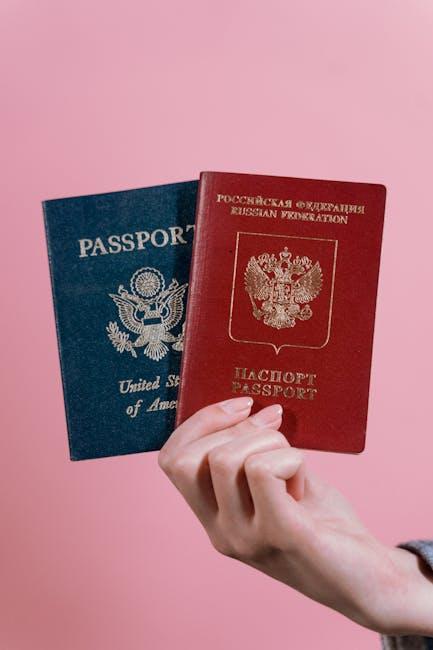
The Hidden Costs and Complexities of Dual Citizenship
Dual citizenship often carries the allure of unparalleled freedom-access to multiple passports, diversified investment opportunities, and simplified travel credentials. However, beneath this surface lies a labyrinth of hidden costs and complexities that frequently erode the perceived advantages. Beyond the obvious financial obligations like dual taxation (or at least complex tax reporting requirements), dual citizens must grapple with intricate bureaucracies governed by contrasting legal systems. This can translate into unexpected legal entanglements, especially concerning inheritance, property rights, and even military service obligations, which are rarely highlighted in glossy promotional pitches for second citizenships. The notion that a foreign passport automatically guarantees a seamless “legal safety net” ignores the subtleties of jurisdictional conflicts and the administrative burden of maintaining compliant status in two countries simultaneously.
Moreover, the trade-off between mobility and allegiance is more entangled than conventional wisdom suggests. While dual citizenship can enhance travel flexibility, some countries do not recognize multiple nationalities or actively penalize dual nationals by limiting consular protections or complicating diplomatic assistance. This means holding two passports can paradoxically result in reduced diplomatic leverage or exposure to unique vulnerabilities. Practical considerations, such as divergent cultural expectations, language barriers, and the psychological strain of dual legal identities, often go unmentioned but materially impact the day-to-day reality of dual citizens. For those weighing this path, a thoughtful evaluation should include:
- Comprehensive tax and legal consultations: To map out overlapping obligations and avoid inadvertent non-compliance.
- Research into military and civil duties: Some nations require active service or limit dual citizenship rights after a certain age.
- Understanding diplomatic nuances: Knowing where you may or may not receive consular protection could be critical in crisis scenarios.
- Psychological preparedness: Acknowledge the potential identity tensions that arise when navigating two national identities simultaneously.
| Aspect | Common Assumption | Reality Check |
|---|---|---|
| Taxation | “Double passports mean double tax benefits” | Complex filings; risk of double taxation despite treaties |
| Legal Rights | “Dual citizenship guarantees full protections everywhere” | Varies widely; possible loss of rights or obligations in either country |
| Consular Support | “You’ll always have two embassies to call” | Some countries limit aid or conflict of interest arises |
When Global Mobility Comes with Unexpected Restrictions
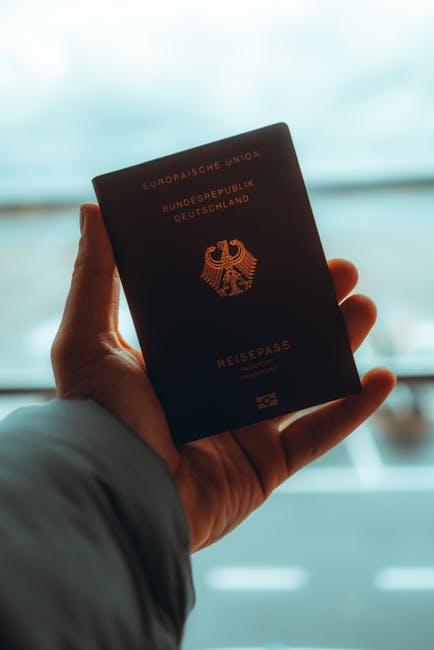
Possessing a foreign passport often conjures images of effortless international travel, seamless access to multiple countries, and freedom from geopolitical constraints. However, this assumption glosses over the reality that many passports come with a complex web of limitations-some blatant, others subtle-that restrict rather than liberate. Visa-free travel privileges fluctuate unpredictably due to shifting diplomatic ties, security concerns, or global health crises. Moreover, not all countries internationalize their passports equally. A “strong” passport on paper might still encounter stringent entry controls, surveillance, or even outright bans in specific territories. In other words, the perceived mobility advantage is often hostage to factors beyond your control, underscoring how holding a foreign passport can be more a strategic gamble than a guaranteed escape hatch.
Smart global citizens weigh these trade-offs carefully. For instance, a passport issued by a middle-ranking country might not open as many borders as a top-tier one, but it could come with less scrutiny at immigration checkpoints, smoother local integration, or simpler tax obligations abroad. What’s more, dual citizenship can compound these restrictions if travel routes trigger conflicting regulations or unexpected questions, especially in politically sensitive regions. To navigate this landscape effectively:
- Understand the real-world enforcement: Trust recent traveler reports and government advisories rather than outdated rankings or hearsay.
- Assess complementary benefits: Evaluate not just visa access but residency rights, consular support, and legal protections.
- Prepare for volatility: Be ready for sudden policy shifts, travel bans, or additional immigration hoops, even if your passport is “strong.”
| Passport Strength | Typical Restrictions | Hidden Trade-offs |
|---|---|---|
| Tier 1 (e.g., Japan, Germany) | Minimal visas, strong diplomatic support | High tax scrutiny, complex dual citizenship laws |
| Tier 2 (e.g., Brazil, South Africa) | Moderate visa requirements, shorter stay limits | Potential travel bans, less reliable consular aid |
| Tier 3 (e.g., many developing nations) | Extensive visa restrictions, limited global access | Lower scrutiny, possible ease in regional migration |
Beyond Borders: Rethinking the Value of a Foreign Passport
Possessing a foreign passport often conjures images of seamless mobility, economic advantage, and enhanced global status, but these benefits are rarely uniform or guaranteed. The reality is that the value of a foreign passport is highly contingent on geopolitical climates, bilateral relations, and domestic policies of both the issuing and recipient countries. For example, a passport from a country with strong visa-free access to major economic hubs offers tangible legroom for business and leisure travel, yet such access can be abruptly curtailed due to shifting international alliances or pandemics. This nuance demands a sophisticated assessment of whether the passport serves as a strategic asset or simply a symbolic trophy. It’s crucial to recognize that not all passports provide the same level of utility-or security-and the key differentiator often lies in the subtle interplay between global influence and local governance stability.
Beyond mere travel advantages, the decision to hold and maintain a foreign passport entails trade-offs that few consider carefully. Issues such as dual taxation, mandatory military service, restrictions on political participation, and complications in estate planning can significantly offset the perceived benefits. For instance, the convenience of a second passport is often accompanied by obligations which can limit freedom rather than expand it. Therefore, prospective applicants should weigh:
- Legal responsibilities imposed by the foreign citizenship, which may conflict with their primary nationality.
- Long-term residency requirements that might erode the ‘easy exit’ allure.
- Potential diplomatic vulnerabilities when traveling on a passport tied to contentious states.
Instead of viewing a foreign passport as a magical solution, a more grounded strategy is to treat it as one component of a broader portfolio of global mobility mechanisms-complemented by long-term visas, residency permits, and international tax planning-to truly harness international freedom without surrendering control or inviting unforeseen liabilities.
Strategic Identity Choices in an Era of Increasing Nationalism
In an era marked by surging nationalism, the simplistic allure of holding a foreign passport as a safeguard against geopolitical risks demands a more discerning evaluation. Passport ownership is no longer a straightforward hedge against uncertainty; instead, it implicates you in complex identity negotiations and civic expectations that differ vastly across borders. Many migrants overestimate the ease with which dual or multiple citizenships confer practical global mobility, overlooking how nationalist policies increasingly tie passports to cultural conformity and loyalty signals. For example, countries tightening immigration and residency prerequisites for passport holders reveal a sharp trade-off: legal privilege is frequently contingent on sustained integration, compliance, or even politically expressed allegiance, which may contradict the presumed “freedom” associated with merely possessing a foreign passport.
Understanding these nuances is critical before strategically choosing an identity in this charged climate. Rather than chasing passports solely for mobility advantages, individuals should weigh the intangible costs against benefits-such as imposed tax liabilities, potential military service, or restrictions on political participation-that vary widely by nation. A useful heuristic is to consider:
- Long-term stability: How stable and reputable is the issuing country’s government and legal system?
- Social integration demands: What cultural or civic participation does the passport-holder need to maintain?
- Policy volatility: Historical trends in nationality laws and citizenship revocations.
| Passport Factor | Common Nationalist Impact | Strategic Recommendation |
|---|---|---|
| Mobility | Restrictive visa policies amid global insecurity | Seek passports aligned with diverse diplomatic relations rather than prestige alone |
| Civic Duties | Mandatory military or civic service requirements intensify | Assess readiness to engage meaningfully with host nation obligations |
| Revocation Risks | Rising grounds for citizenship revocation based on political dissent or economic policies | Diversify identity strategies beyond single passports to include residency and legal protections |
Ultimately, strategic identity choices in today’s geopolitical landscape require a blend of pragmatic foresight and cultural self-awareness. Blindly equating a foreign passport with a golden ticket overlooks the increased burdens of national allegiance and the realpolitik of citizenship. The best approach involves harmonizing your personal and professional aspirations with an honest reckoning of how nationalist forces mold your passport’s power-and limitations-over time.
Weighing Passports as Tools Versus Symbols of Opportunity
Passports undeniably serve as functional tools-gateways to borders, bureaucracies, and the world’s sundry systems. However, equating a foreign passport solely with unfettered opportunity skews both perception and reality. True mobility extends beyond visa-free travel; it encompasses economic access, legal protections, and cultural capital within the issuing country. For example, while a European Union passport facilitates easy business across member states, it doesn’t guarantee job prospects or social integration in every locale. Conversely, some passports prized for travel freedom, such as those from island nations in the Caribbean, may offer limited influence on the ground in global economic hubs. The illusion of a “golden ticket” often overlooks these trade-offs, where a passport’s symbolic prestige can mask underlying limitations in rights, residency benefits, and socio-political stability.
In weighing passports as symbols of opportunity, it becomes crucial to differentiate between perceived and practical value. Key factors to scrutinize include:
- Legal rights beyond mobility: Access to work, education, healthcare, and social welfare in the country of issuance.
- Civic participation: Voting rights, political engagement, and representation, which shape long-term integration and influence.
- Economic power: The passport’s role in facilitating business and investment opportunities relative to the holder’s goals.
| Passport Attribute | Symbolic Value | Practical Leverage |
|---|---|---|
| Visa-Free Travel | High visibility, status symbol | Variable convenience for business or education |
| Social Services Access | Low symbolic awareness | Critical for quality of life and security |
| Political Rights | Modest symbol of belonging | High value for integration and influence |
Ultimately, the decision to pursue a foreign passport should hinge not on an abstract perception of prestige but on a clear-eyed assessment of your unique ambitions relative to what the passport concretely unlocks. A passport’s symbolism can be empowering, but its true value is expressed through tangible opportunities-often more nuanced and conditional than the marketing hype suggests.
Closing Remarks
In the end, a foreign passport may glitter with promise, but it’s rarely the golden ticket we imagine. Beyond the initial allure lies a complex web of legalities, responsibilities, and unexpected hurdles. Holding multiple nationalities can open doors, yes-but those doors often lead to corridors filled with paperwork, scrutiny, and sometimes more questions than answers. So before chasing that coveted stamp, it’s worth remembering: true freedom isn’t just in the passport you carry, but in understanding the full story it tells.




