
In a world where borders can shift overnight and uncertainty feels like the new normal, owning a foreign passport is no longer just a luxury-it’s a strategic lifeline. Beyond the thrill of travel and the allure of new cultures, a second passport offers a powerful form of freedom and security that transcends geography and politics. As global landscapes evolve unpredictably, having multiple national identities isn’t merely about dual citizenship; it’s about unlocking opportunities, safeguarding your future, and navigating complexity with confidence. This article explores why, amid today’s turbulence, acquiring a foreign passport might just be your sharpest move yet.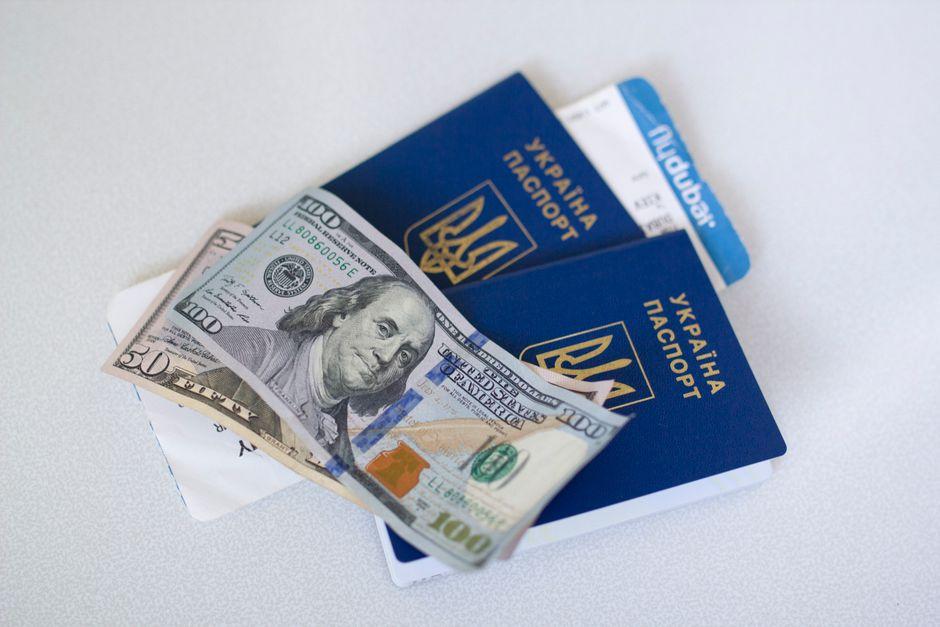
The Untold Complexities Behind Holding a Foreign Passport
Possessing a foreign passport is often lauded as a universally advantageous asset, but this perspective glosses over the intricate legal, fiscal, and personal ramifications that vary drastically by country. It’s crucial to recognize that a foreign passport is not just a travel document but a complex key embedded with responsibilities and potential liabilities. For example, dual citizenship may trigger cumbersome tax obligations, such as the United States’ unique worldwide income taxation policy, which obliges citizens to file returns and report assets regardless of residency. Furthermore, not all passports confer the same degree of mobility or consular protection-some offer visa-free access to over 180 countries, while others scarcely reduce travel friction. The choice to hold a foreign passport therefore demands discerning evaluation beyond mere convenience, considering geopolitical stability, bilateral agreements, and the applicant’s individual lifestyle and long-term goals.
Moreover, the intangible costs-like the emotional strain of divided national loyalty or unexpected restrictions during geopolitical crises-need as much scrutiny as the tangible benefits. Policies can abruptly shift; countries may revoke citizenship or impose travel bans without forewarning, revealing a hidden fragility. To navigate these complexities, one must avoid the trap of viewing foreign passports as off-the-shelf commodities. Instead, adopt an analytical framework that weighs:
- Legal Implications: including dual citizenship restrictions and renunciation requirements
- Financial Impact: tax treaties, reporting obligations, and estate planning consequences
- Geopolitical Context: passport strength, diplomatic relations, and political stability
- Personal Factors: cultural identity, familial ties, and long-term residency plans
| Factor | Common Assumption | Nuanced Reality |
|---|---|---|
| Visa Freedom | All passports boost travel ease | Varies widely; some passports offer minimal advantages beyond origin country |
| Taxation | Foreign citizenship shields from tax | Citizens may face complex cross-border reporting and taxes |
| Political Stability | Legal protections from foreign governments are guaranteed | Governments can withdraw protections or revoke citizenship, especially amid conflict |
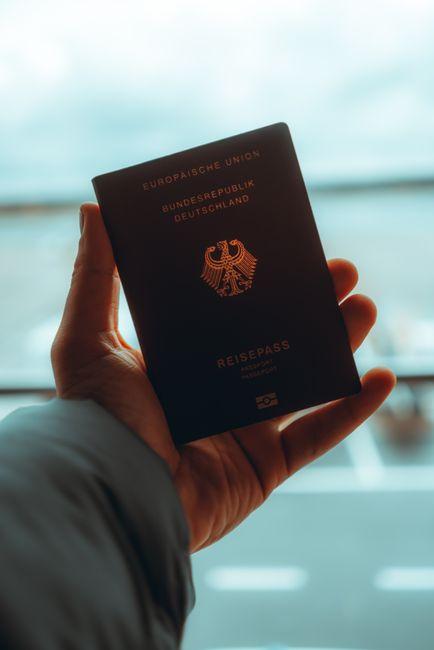
When Global Mobility Meets Personal Identity Challenges
In the discourse around global mobility, personal identity often remains an overlooked casualty or, conversely, a misunderstood asset. Acquiring a foreign passport is not merely a strategic tool against geopolitical and economic volatility-it also reframes your sense of self in a world that increasingly questions fixed notions of nationality and belonging. The challenge lies in balancing the pragmatic benefits of mobility with the psychological and cultural nuances of identity transformation. A foreign passport can broaden your horizons, yet it may also provoke an internal tension: the dilution or reinforcement of one’s original cultural identity. Rather than viewing these passports as cold instruments of convenience, it’s imperative to recognize them as dynamic interfaces between individual identity and state sovereignty, often requiring a conscious negotiation of what “home” means.
The decision to obtain a second or third passport mandates more than a financial or legal evaluation; it demands a profound personal reckoning. While it may appear tempting to treat citizenship as a checkbox or backup plan, overreliance on global mobility can unintentionally cultivate a fragmented identity or even a sense of rootlessness. Here’s a sharper lens to help you navigate this terrain:
- Trade-off Awareness: Weigh the mobility advantages against potential social alienation or legal complexities, such as differing obligations like taxation or military service.
- Cultural Anchoring: Purposefully cultivate cultural literacy and meaningful connections in your passport countries to transform your status from transient to genuinely bicultural or multicultural.
- Identity as Strategy: Use your evolving identity as a form of resilience, not loss-embrace fluidity while maintaining a core set of values that transcend borders.
| Aspect | Common Assumption | Insightful Reframing |
|---|---|---|
| Identity & Mobility | Foreign passports erode cultural identity | They offer an active space for identity evolution and resilience |
| Legal Obligations | Ownership equals freedom | Greater citizenship duties can accompany mobility, requiring strategic management |
| Social Perception | Multicultural identity is universally celebrated | It may provoke misunderstanding; proactive cultural engagement is key |
Navigating the Fine Line Between Legal Privilege and Hidden Risks
Owning a foreign passport often conjures images of seamless travel and discreet financial advantages, but the reality straddles a fine line between legal privilege and concealed vulnerabilities. The critical question isn’t merely about the acquisition of a second citizenship but navigating the legal labyrinth it entails. For instance, while dual nationality can grant unparalleled access to restricted markets, visa-free travel, and tax planning opportunities, it simultaneously imposes rigorous compliance demands. Missteps in declaring foreign assets, misunderstanding the nuances of citizenship-by-investment programs, or unintentionally violating tax residency laws can transform perceived benefits into expensive legal headaches. Savvy global citizens understand that a foreign passport is not just a gateway-it’s a binding contract with a specific country’s legal system, often underpinned by obligations that can surface unexpectedly.
To leverage a foreign passport prudently, one must differentiate between “passport convenience” and “passport liability.” The former includes effortless movement, emergency safety nets, and expanded business prospects; the latter encompasses political shifts that may alter the privileges attached, unexpected costs tied to national service obligations, or opaque asset reporting requirements. Consider this strategic trade-off:
| Aspect | Potential Advantage | Hidden Risk |
|---|---|---|
| Visa-Free Access | Global mobility with fewer travel restrictions | Instant revocation possible due to geopolitical tensions |
| Tax Planning | Optimized tax structures leveraging foreign residency | Complex declarations and possible double taxation if mismanaged |
| Legal Protection | Access to a safer jurisdiction in crises | Obligations like conscription or allegiance demands |
The key is an informed, adaptable approach rather than treating a foreign passport as a passive asset. Engage continuous due diligence on your new country’s evolving regulations and cultivate professional counsel specialized in multinational law to anticipate shifts before they manifest as risks. Ultimately, the smartest move isn’t just owning a foreign passport-it’s mastering the dance between opportunity and obligation it demands.
Foreign Passports as Strategic Assets in an Era of Geopolitical Turbulence
In today’s volatile geopolitical landscape, foreign passports have transcended their traditional roles as simple travel documents to become dynamic strategic assets. Unlike the common narrative framing them as mere luxuries or lifestyle enhancements, these passports function as critical instruments of personal sovereignty and geopolitical hedging. The true value lies not just in visa-free travel but in risk diversification-allowing holders to pivot swiftly amid shifting political alliances, economic sanctions, or sudden instability at home. However, not all passports offer equal leverage. One must discern between passports providing genuine geopolitical flexibility versus those whose “freedom” is heavily circumscribed by diplomatic obscurity or regional conflicts. In this context, passports from universally recognized, politically neutral countries tend to outperform those with similar costs but limited global standing.
Still, the calculus isn’t purely about acquiring any alternative citizenship: it involves a strategic trade-off between ease of access, economic opportunity, and political capital. For example, securing a passport from a smaller, stable nation might offer sanctuary and tax advantages but could complicate travel to major economies due to limited visa arrangements. Conversely, passports linked to economic powerhouses often provide unparalleled global mobility but come with tougher vetting processes and higher investment thresholds. A nuanced approach demands balancing these factors with your personal and professional risk profile. Consider this comparative matrix as a starting framework:
| Passport Attribute | High-Influence Countries | Small Neutral States |
|---|---|---|
| Visa-Free Access | Extensive (150+ countries) | Moderate (80-120 countries) |
| Political Stability | High but subject to global scrutiny | Very High, low geopolitical profile |
| Economic Integration | Strong with multiple trade blocs | Limited, but stable financial services |
| Cost and Accessibility | High financial and bureaucratic barriers | Lower cost, streamlined processes |
- Recommendation: Prioritize passports that enhance both global mobility and offer a reliable fallback in crises, rather than chasing status symbol citizenships.
- Beware: Passive residency or citizenship-by-investment schemes may offer paper credentials but fail to deliver genuine strategic value under geopolitical pressure.
Beyond the Passport Myth A Closer Look at Smarter Alternatives
Owning a foreign passport is often touted as a silver bullet against geopolitical instability, tax uncertainty, or restricted mobility. Yet, this narrative oversimplifies the intricate dynamics at play. Not all passports are created equal; some confer genuine global freedom and economic leverage, while others serve more as symbolic shields with limited practical benefits. When choosing to invest in a second nationality, it pays to move beyond the myth of “just another passport” and critically assess the passport’s actual value in terms of visa-free access, quality of life, economic opportunities, and legal protections. For instance, a Caribbean passport might offer straightforward acquisition but limited high-value visa-free destinations, whereas an EU passport delivers unparalleled ease of travel, work, and residence within one of the world’s largest economic blocks.
Moreover, the focus on passports alone neglects smarter, complementary strategies that can elevate your global resilience. Consider these smart alternatives:
- Second residency programs: Often faster and more flexible than citizenship routes, enabling practical mobility without immediately triggering tax or legal entanglements.
- Digital nomad visas: Capturing the rise of remote work, these visas offer access to key global hubs with fewer commitments than traditional citizenship.
- Strategic financial diversification: Tying your assets to multiple jurisdictions often outweighs the perceived freedom a passport offers if economic safety is your primary goal.
These options demand trade-offs-timing, cost, permanence-and choosing wisely hinges on a clear, prioritized vision of what mobility, security, and opportunity mean to you personally. The table below further distills these considerations:
| Strategy | Speed | Flexibility | Long-term Value | Complexity |
|---|---|---|---|---|
| Foreign Passport | Long (years) | High | High | Complex |
| Second Residency | Months | Medium | Medium | Moderate |
| Digital Nomad Visas | Rapid | High | Low-Medium | Low |
In short, the smartest move balances passport acquisition with these nuanced alternatives, anchoring decisions on tangible benefits rather than hollow prestige or hearsay.
To Conclude
In a world that constantly shifts beneath our feet, owning a foreign passport is more than a document-it’s a compass, a safety net, and a bridge to new possibilities. It grants not just legal mobility, but a profound sense of security and freedom that transcends borders. As uncertainties loom large, securing a second nationality might just be the smartest strategy to future-proof your life, opening doors to opportunity and resilience when you need them most. Embracing this path is not merely a move; it’s a declaration of adaptability in an unpredictable world.




