
In an era where borders are simultaneously dissolving and hardening, a curious phenomenon has emerged at the nexus of wealth, identity, and global mobility: passport by investment programs. For the modern elite, these schemes offer more than just a new stamp in a travel log-they represent a legal loophole, an unconventional gateway to freedom and privilege that transcends the traditional constraints of nationality. Yet, behind the allure of expedited citizenship lies a complex story about power, access, and inequality on a global scale. This article explores why passport by investment has become the last sanctuary for the world’s wealthiest to rewrite their identities legally-and what this means for the widening chasm between the haves and the have-nots across the globe.
The Illusion of Freedom Behind Passport by Investment Programs
At first glance, passport-by-investment programs seem to promise unbridled freedom: a golden ticket granting instant access to preferred legal jurisdictions, visa-free travel, and economic gateways. Yet, this freedom is fundamentally illusory, tethered to the reality that such privileges are not a universal right but a commodified asset accessible almost exclusively to the global wealthy. The trade-off here isn’t simply about money for mobility; it’s about the redefinition of citizenship itself-not as an earned status rooted in communal participation but as a transactional product. This paradigm challenges traditional notions of citizenship tied to accountability and society-building, effectively transforming passports into elite currency markers rather than genuine symbols of equal belonging or protection.
Moreover, the operational dynamics of these programs reveal stark contradictions and unintended consequences. Many nations eager to capitalize on this revenue stream impose opaque vetting practices, often favoring wealth accumulation over integrity, leaving loopholes for money laundering or geopolitical influence. Fair mobility hence becomes a choice of economic power rather than merit or cultural integration. To address this imbalance, policy recommendations must go beyond superficial regulatory tightening; they require systemic reforms including:
- Standardized transparency protocols to expose and audit applicant backgrounds internationally
- Linking investment requirements to demonstrable local economic and social impact, not just arbitrary financial thresholds
- International cooperation frameworks to prevent forum shopping and regulatory arbitrage among competing states
Only by recognizing that passport-by-investment schemes are a form of “privilege laundering”-an exchange where legality masks entrenched inequality-can genuine discussions about citizenship equity and global mobility reforms begin.
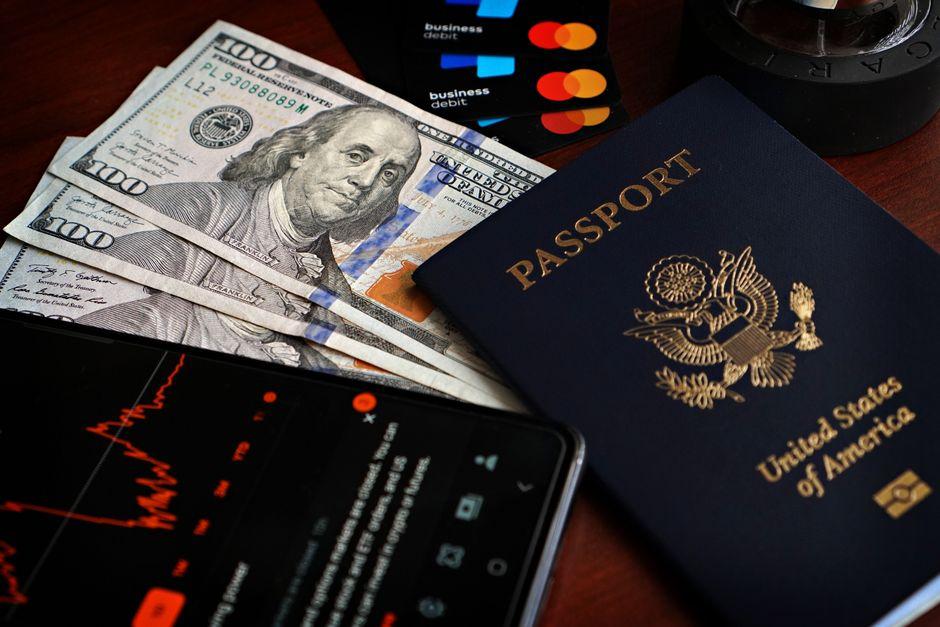
Unpacking the Ethical Cost of Selling Citizenship for Wealth
At first glance, selling citizenship for wealth seems like a pragmatic tool for economic growth, especially for smaller nations grappling with limited resources. However, this transactional view oversimplifies the profound ethical costs embedded in commodifying national identity. Citizenship, historically a marker of social contract and mutual responsibilities, becomes a mere commodity in a marketplace where financial clout trumps communal belonging. This shift risks eroding the social fabric by privileging wealth over genuine integration, fostering resentment among local populations who may perceive these “passport buyers” as transient elites with zero commitment to the state’s long-term wellbeing. The ethical dilemma intensifies when one considers the uneven accessibility of these schemes, which inherently consolidate global inequalities rather than bridging them.
Striking a balance calls for nuanced policy frameworks that transcend binary stances of outright rejection or unchecked commodification. Governments should demand more than just capital infusion; robust due diligence and measurable contributions such as local job creation, cultural integration, or sustainable investments can mitigate some of the dehumanizing aspects of citizenship sales. Moreover, transparency must underpin these programs to counteract corruption and international reputational risks. The table below captures a distilled trade-off matrix highlighting potential outcomes:
| Dimension | Unregulated Sales | Rigorous, Multi-Faceted Criteria |
|---|---|---|
| Economic Gains | High immediate influx | Moderate, sustained growth |
| Social Cohesion | Low; risk of exclusion | Higher; encourages belonging |
| Global Equity Impact | Exacerbates disparities | Potential leveling effects |
| Governance Risks | Elevated corruption potential | Improved accountability |
Beyond Borders and Banknotes Exploring Smarter Paths to Global Mobility
Passport by investment schemes are often cast as mere loopholes for the ultra-wealthy, but this perspective oversimplifies the intricate calculus of global mobility. While the affluent gain expedited access to borders, the underlying issue is not simply transactional citizenship but the uneven architecture of international mobility rights. Wealthy individuals leverage these programs to sidestep geopolitical constraints, turning passports into commodified gates rather than symbols of national belonging. This challenges the traditional nation-state monopoly on identity and mobility, creating a bifurcated system where citizenship becomes a currency of convenience, not commitment. However, the fallout of this system reveals unsettling trade-offs: it undercuts the efficacy and integrity of immigration controls, heightens socio-political tensions in host countries, and exacerbates mobility disparities on a global scale.
To navigate beyond this binary – where global elite entitlement clashes with notions of equitable citizenship- policymakers must pivot from mere regulatory containment to structural recalibration. This means recognizing that blunt restrictions on passport programs may drive the wealthy to more opaque alternatives rather than stem inequality. Instead, strategic reforms should include:
- Transparency mandates: Requiring full disclosure on sourcing of funds and post-citizenship obligations to ensure programs serve public interest, not money laundering or tax evasion.
- Mobility equity frameworks: Developing regional consortia to harmonize visa policies, reducing the need for “shortcut” second passports by expanding legitimate travel avenues for all.
- Fiscal and social integration: Conditioning citizenship on demonstrable investment in local communities, aligning economic contribution with social footprint rather than pure capital injection.
These reforms acknowledge that global mobility is not solely a privilege to be traded but a layered right intertwined with identity, responsibility, and international solidarity. Without this nuanced approach, the passport-by-investment phenomenon risks cementing a durable global caste system-one where the wealthy buy both freedom and exclusion, deepening the chasm of global inequality.
When Privilege Becomes a Market Commodity The Hidden Inequities of Passport Trade
Turning citizenship into a commodity transforms what should be an intrinsic element of sovereign identity into a transactional asset, intensifying existing global inequities under a veneer of legality. This market-driven framework disproportionately favors those with financial capital, allowing the wealthy to buy their way out of geopolitical constraints while entire populations remain marginalized by rigid nationality norms. By enabling nationality to be ‘purchased,’ these programs effectively codify and perpetuate a dual-tiered global citizenship-one where access to mobility, security, and economic opportunity depends not on birthplace or merit, but sheer wealth. This trade-off reveals a troubling paradox: the more inclusive passport sales purport to be in offering freedom of movement, the more exclusive they become in reinforcing financial barriers that exclude the majority.
However, the issue transcends mere access; it exposes the insufficiency and often hypocrisy of states leveraging citizenship as a source of revenue while neglecting the social contract underpinning genuine nationhood. Countries that commoditize passports often face criticism for insufficient due diligence, which can erode trust and security in the global system and sometimes complicate geopolitical relationships. To navigate this complexity, a recalibration is necessary. States should:
- Implement stricter transparency and independent audits to prevent abuse and ensure that passport sales do not compromise national or international security.
- Couple investment citizenship with genuine residency or integration requirements to merge economic benefit with social cohesion, mitigating accusations of superficial inclusion.
- Develop global standards to harmonize the accountability and eligibility criteria across citizenship-by-investment programs, minimizing legal arbitrage and protecting human rights.
| Aspect | Traditional Citizenship | Investment Citizenship |
|---|---|---|
| Access Basis | Birth, descent, naturalization | Capital investment |
| Social Integration | Typically required | Minimal or optional |
| Security Screening | Varies, often stringent | Often inconsistent |
| Economic Impact | Indirect, via resident contributions | Direct, via upfront payments |
Ultimately, the transactional nature of citizenship through investment programs requires critical scrutiny-not merely as a financial tool for elites, but as a significant factor reshaping the contours of global inequality and the very essence of what it means to belong to a nation in the 21st century.
Global Inequality’s Quiet Ally How Elite Strategies Perpetuate Disparity
Passport-by-investment programs, often lauded as innovative gateways to global mobility, quietly function as accelerants of inequality rather than mere economic tools. Beneath their glossy veneer lies a stratified game where access to alternative citizenship becomes exclusively transactional, favoring the ultra-wealthy while sidelining broader societal benefits. This dynamic exposes a troubling paradox: instead of leveling the playing field, these schemes reinforce a global caste system that privileges liquidity of identity over equitable opportunity. The real cost of this commodification is rarely accounted for-the erosion of inclusive citizenship principles and the institutionalization of privilege through investment thresholds that are prohibitively high for the vast majority. In essence, these programs transform nationality from a foundational human right into a luxury good, achievable only by converting capital into passage.
Yet, the challenge is not simply to condemn passport-by-investment schemes outright but to recognize their complex trade-offs within global inequality frameworks. Dismantling these programs could inadvertently push wealthy elites into more opaque and less regulated forms of mobility, exacerbating transparency issues and jurisdictional arbitrage. Instead, nuanced reform must focus on:
- Integrating stringent due diligence that goes beyond financial verification to incorporate social responsibility and contribution to local communities;
- Enhancing transparency by publicly reporting program applicants and outcomes to discourage misuse and corruption;
- Recalibrating investment floors to balance economic benefit with inclusivity, perhaps through sliding scales tied to socially impactful ventures;
| Current State | Recommended Reforms | Potential Impact |
|---|---|---|
| High financial threshold favors ultra-rich | Scaled investments tied to community benefit | Broader inclusivity without sacrificing economic goals |
| Opaque application and approval processes | Mandatory disclosure and third-party audits | Reduces corruption and builds public trust |
| Focus on capital over citizenship quality | Emphasis on social integration metrics | Strengthens social cohesion and citizenship integrity |
By approaching elite mobility not as an immutable entitlement but as a policy domain demanding ethical recalibration, we open a path toward mitigating the quiet allyship these programs provide to entrenched global inequalities.
Final Thoughts
As the world becomes increasingly interconnected yet starkly divided, the allure of passports by investment reveals more than just a shortcut to mobility – it exposes the uneven playing field of global citizenship. For the modern elite, this legal loophole offers not only convenience but a form of privilege that deepens the chasms of inequality between nations and peoples. Whether viewed as a savvy opportunity or a troubling symptom of systemic imbalance, the phenomenon challenges us to reconsider what freedom of movement truly means in an age defined by borders, wealth, and opportunity. In untangling the complexities of passport-by-investment programs, we confront a mirror reflecting the shifting dynamics of power and privilege in our global society-an urgent call to question who gets to cross boundaries freely, and at what cost.




