
In a world increasingly defined by mobility and opportunity, the concept of borders is shifting from rigid barriers to gateways of possibility. Imagine holding in your hands not just a document, but a key—a key that opens doors to new countries, cultures, and economic landscapes. Welcome to the realm of passport through investment programs, where citizenship is not merely inherited or granted, but earned through strategic financial engagement. This guide, “Unlocking Borders: The Passport Through Investment Guide,” embarks on a journey through the intricacies, benefits, and realities of obtaining global mobility by investment. Whether driven by a desire for business expansion, personal freedom, or a fresh start, unlocking borders through investment is reshaping the very notion of nationality in our interconnected age.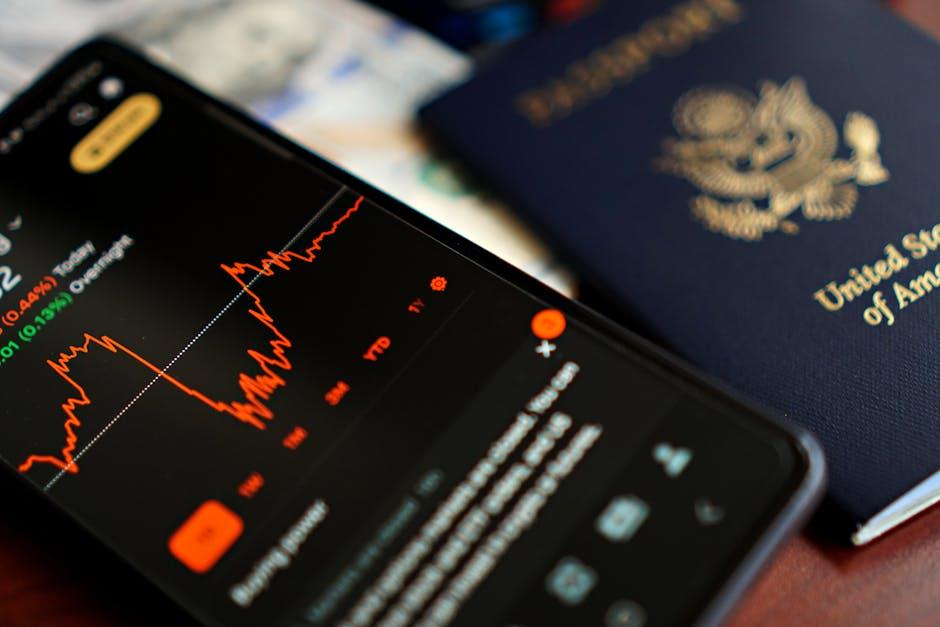
Understanding the Passport Through Investment Concept
Imagine holding a key that unlocks global opportunities, allowing you to live, work, or even retire in a country of your choice. This is the essence of the passport through investment concept—a strategic pathway where financial contributions to a nation’s economy translate into citizenship and the freedom to move across borders with ease. By investing in government-approved projects, real estate, or businesses, applicants receive travel documents that not only expand their personal horizons but also enhance their global mobility, often bypassing traditional hurdles like visa restrictions and lengthy bureaucratic processes.
Several components make this framework unique and attractive:
- Speed: Unlike conventional naturalization that may take years, certain programs offer citizenship within months.
- Flexibility: Investments can vary from donations to government funds, real estate, or enterprise development.
- Security: Many countries have stringent vetting processes ensuring applicants are low-risk and committed.
| Investment Type | Typical Minimum Amount | Average Time to Citizenship |
|---|---|---|
| Government Donation | $100,000 – $200,000 | 3-6 months |
| Real Estate Purchase | $200,000 – $500,000 | 6-12 months |
| Business Investment | $300,000+ | 6-18 months |

Evaluating Top Countries Offering Investment-Based Citizenship
When it comes to acquiring citizenship through investment, certain countries stand out due to their streamlined processes, attractive incentives, and global mobility advantages. Nations offering these programs typically require a financial contribution in the form of real estate purchases, government bonds, or direct donations. For instance, the Caribbean islands such as St. Kitts and Nevis and Dominica provide some of the fastest and most cost-effective routes to a second passport, often completing applications within just a few months. European nations like Portugal and Malta, on the other hand, appeal to investors seeking access to EU benefits, but usually necessitate a longer residency period before full citizenship is granted.
Choosing the ideal destination depends on various factors including investment amount, processing duration, visa-free travel opportunities, and the country’s overall stability. The table below highlights key attributes of some popular investment citizenship programs, providing a quick snapshot for potential investors:
| Country | Minimum Investment | Processing Time | Visa-Free Countries | Residency Requirement |
|---|---|---|---|---|
| St. Kitts & Nevis | USD 150,000 | 3-6 months | 160+ | None |
| Dominica | USD 100,000 | 3-4 months | 140+ | None |
| Portugal | €350,000 | 1-2 years | 185+ | 5 years |
| Malta | €600,000 | 12-18 months | 185+ | 1 year |
- Transparency and due diligence: Countries with rigorous background checks ensure the program’s reputation and help maintain property value for investors.
- Tax benefits: Some countries offer favorable tax regimes with no global income taxation, a compelling perk for high-net-worth individuals.
- Family inclusion: Programs often extend citizenship to immediate family members, making it an attractive option for those seeking security for their loved ones.
Key Financial Requirements and Investment Options Explained
Investing in citizenship often hinges on understanding the financial thresholds and varied routes available. From government bonds to real estate investments, each country sets distinct monetary benchmarks that can range from modest contributions to multimillion-dollar commitments. While some programs offer straightforward donations to national development funds, others emphasize tangible economic participation, creating a dynamic spectrum of options for investors worldwide.
To simplify the decision-making process, here’s an overview of common investment categories and their typical minimum requirements:
| Investment Type | Minimum Amount | Typical Duration |
|---|---|---|
| Donation to Government Fund | $100,000 – $250,000 | Non-refundable |
| Real Estate Purchase | $200,000 – $500,000 | Held for 3-5 years |
| Business Investment | $250,000 – $1,000,000 | Variable, often 3-7 years |
| Government Bonds | $150,000 – $500,000 | 3-5 years |
Equipped with this knowledge, investors can tailor choices aligning with their financial capacity and long-term goals. Due diligence is essential, as some programs require additional fees or proof of net worth, while others may impose residency commitments or language proficiency checks to complement the monetary investment. Ultimately, understanding the financial landscape paves the way for making empowered decisions in the journey to global mobility.
Navigating Legal Procedures and Due Diligence Processes
Understanding the intricacies behind each step of the legal framework is essential to a smooth investment-based citizenship journey. Various jurisdictions impose distinct requirements and timelines that applicants must meet, from initial paperwork submissions to final approvals. Engaging with knowledgeable legal advisors early on can prevent costly delays and misunderstandings, ensuring every document aligns perfectly with governmental expectations. Key elements include:
- Verification of source of funds
- Compliance with anti-money laundering regulations
- Timely submission and tracking of documents
- Coordination between legal, financial, and local agents
Due diligence processes are rigorous but designed to uphold the integrity of passport through investment programs. Countries deploy multi-layered background checks to confirm the applicant’s credibility and authenticity. Despite appearing complex, transparency and preparation can ease this phase, often transforming it into a systematic routine of verified disclosures and certifications. Below is a simplified overview showing the common stages applicants encounter:
| Stage | What Happens | Estimated Duration |
|---|---|---|
| Initial Screening | Preliminary background and document check | 2-4 weeks |
| Financial Verification | Source of funds validation and audits | 4-6 weeks |
| Interview / Additional Checks | In-person or virtual interviews, deeper background checks | 2-3 weeks |
| Final Review & Approval | Government decision and issuance of documents | 4-8 weeks |
Maximizing Benefits and Mitigating Risks in Passport Investment Programs
To truly leverage the advantages of passport investment programs, it’s essential to approach the process with a strategic mindset. Prioritize jurisdictions that align with your lifestyle and business goals, emphasizing not just the initial investment but also the long-term benefits such as visa-free travel, tax optimization, and family inclusion options. Due diligence on both the legal frameworks and economic stability of the country will safeguard your investment and prevent unforeseen complications. Remember, transparency in documentation and working with accredited advisory firms can streamline approvals, reducing wait times and maximizing your program’s efficiency.
- Verify government legitimacy and recent changes to program policies.
- Consult with migration and financial experts to align your investment with personal goals.
- Assess ongoing fees and residency obligations to avoid hidden costs.
Mitigating risks involves anticipating regulatory shifts and understanding potential political or economic volatility that could impact your new citizenship status. Employing a diversified approach—whether through investing in different sectors within the host country or even exploring multiple citizenship routes—further reduces exposure. Equipped with a knowledgeable support network and a contingency plan, applicants can protect their investment against geopolitical tensions and changing immigration policies, ultimately securing the passport’s true value as a global mobility tool.
The Conclusion
As the world becomes increasingly interconnected, the power to traverse borders with ease is more than a luxury—it’s a strategic advantage. “Unlocking Borders: The Passport Through Investment Guide” has illuminated the pathways by which savvy investors can transform capital into global mobility. Whether driven by business ambitions, family aspirations, or the pursuit of new opportunities, understanding the nuances of investment-based citizenship unlocks doors to a future without limits. In this evolving landscape, knowledge is the most valuable currency, empowering individuals to choose the passports that best align with their vision of freedom and possibility. The journey is complex, but with the right guidance, it’s a journey well worth taking—one passport at a time.




