In a world increasingly defined by crossing borders—both physical and cultural—holding dual citizenship is more than just a legal status; it’s a unique way of life. For American dual citizens, navigating the intertwining rights, responsibilities, and realities offers a complex mosaic of opportunities and challenges. This article explores the nuanced experience of living between two nations, shedding light on what it truly means to claim allegiance to America while embracing another homeland. From legal protections to everyday decisions, understanding these dual threads is essential for making the most of a life lived in two worlds.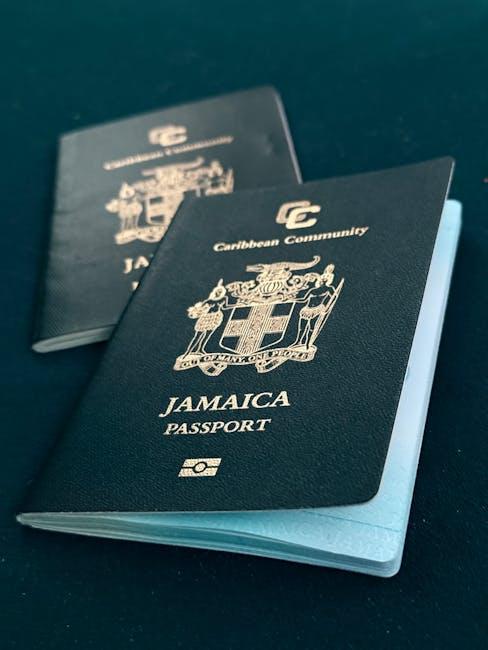
Understanding Dual Citizenship and Its Legal Implications
Holding dual citizenship often brings a blend of privileges and complex legal landscapes. For American dual citizens, the rights span across two nations, allowing freedoms like multiple passports, work permits, and property ownership in both countries. However, this dual status also entails understanding and navigating the legal responsibilities that come with allegiance to two sovereignties. Jurisdictional nuances, such as which country’s laws apply in certain situations, can create challenges—especially when the legal frameworks conflict or when issues like taxation, military service, or voting rights come into play.
It’s crucial for dual citizens to stay informed about obligations on both fronts. Common legal considerations include:
- Taxation: The U.S. taxes based on citizenship, not residency, meaning global income declarations are mandatory.
- Consular protection: Rights to seek assistance from either country’s embassy, although protection might be limited in the other.
- Mandatory military service: Some countries require dual citizens to serve, which could lead to conflicts with U.S. laws.
- Travel Restrictions: Using different passports can have entry and exit complexities depending on international agreements.
| Legal Aspect | American Citizen | Second Citizenship |
|---|---|---|
| Tax Reporting | Global income taxed | Varies by country |
| Military Service | Voluntary | Mandatory in some cases |
| Voting Rights | Federal & local elections | Depends on local laws |
| Consular Protection | Full support worldwide | Limited outside homeland |

Balancing Tax Responsibilities Across Two Nations
Living between two countries comes with the intricate dance of managing tax obligations that can easily become overwhelming without proper planning. American dual citizens must remain vigilant about filing requirements with the IRS, regardless of where they reside. Simultaneously, navigating the tax laws of the second country demands equal attention. Understanding the nuances of tax treaties, foreign earned income exclusions, and credits for taxes paid abroad can help mitigate the risk of double taxation, but this is not a one-size-fits-all scenario. Staying informed about changes in legislation in both countries is essential for maintaining compliance and avoiding unexpected liabilities.
Organizing finances effectively requires a strategic approach that often includes:
- Consulting cross-border tax professionals who specialize in dual citizenship cases.
- Keeping detailed records of income, tax payments, and residency status.
- Using digital tools and platforms designed to manage multi-jurisdictional tax reporting.
| Tax Aspect | US Tax System | Second Country Tax System |
|---|---|---|
| Filing Frequency | Annual | Varies by country |
| Tax Residency Rule | Citizenship-based | Residence-based |
| Treaty Benefits | Available with select countries | Dependent on bilateral agreements |
Navigating Travel and Passport Challenges Smoothly
Dealing with travel and passport logistics as an American dual citizen often requires a strategic approach to avoid unnecessary delays and confusion. It’s essential to always carry both passports when crossing borders, ensuring you use the appropriate one when entering or exiting each country. This simple step helps streamline customs processes and affirms your legal status in both nations. Keep in mind that some dual citizens face additional scrutiny or paperwork, so staying informed about specific immigration regulations and visa requirements for both countries can save you from last-minute hassles.
Key tips for smooth travel:
- Register with the U.S. embassy in your other country of citizenship to receive travel alerts and assistance.
- Always check the entry and exit rules unique to your second nationality, especially for visa renewals or extensions.
- Prepare alternative documentation such as proof of residence or work permits to support your travel status.
| Passport Type | Typical Use | Common Issue |
|---|---|---|
| U.S. Passport | Re-entry into the USA | Renewal waiting times |
| Other Country Passport | Local travel and residency | Visa or exit requirement confusion |
Accessing Social Services Without Complications
When tapping into social services, dual citizens often enjoy the same entitlements as other American citizens, but understanding the nuances can greatly simplify the process. Whether applying for healthcare programs, housing assistance, or unemployment benefits, it’s crucial to maintain clear documentation of your citizenship status. This not only expedites applications but also ensures compliance with federal and state regulations, reducing the risk of delays or denials.
Approaching social services with proactive knowledge is key. Here are some actionable tips to keep your experience smooth:
- Keep copies of your naturalization certificate and passport ready for verification.
- Register and update your information with appropriate local agencies regularly.
- Consult dual citizenship-friendly legal advisors if the program has complicated eligibility criteria.
- Understand the specific benefits tied to your state of residence versus federal programs.
| Service | Key Documentation | Note |
|---|---|---|
| Medicaid & Medicare | Social Security Number, Dual Citizenship Proof | State-based rules apply |
| Housing Assistance | Proof of Income, Citizenship Certificate | Priority for low-income households |
| Unemployment Benefits | Work History, Citizenship Verification | Depends on prior employment records |
Practical Tips for Maintaining Cultural and Civic Connections
Maintaining meaningful cultural and civic connections requires intentionality and balance. One effective approach is to immerse yourself regularly in activities that celebrate American heritage, from participating in local festivals to attending community theater showcasing American stories. Engaging with cultural institutions such as museums, historical societies, or regional clubs can also strengthen your sense of identity. Scheduling consistent visits back to the U.S. or joining digital forums for American expatriates helps sustain links without physical presence. Don’t overlook the power of sharing American traditions within your current community—cooking classic dishes or organizing Independence Day celebrations can reinforce those ties meaningfully.
On the civic front, staying informed and involved is crucial. Dual citizens should consider registering for absentee voting to actively participate in elections, ensuring their voice is heard despite living abroad. Subscribing to U.S. news outlets and government newsletters keeps you updated on legislative changes that may impact your dual status. Additionally, volunteering for American non-profits or advocacy groups can bridge distances by contributing to causes rooted in your civic values. Below is a quick reference table outlining practical steps for maintaining these connections:
| Area | Action | Benefit |
|---|---|---|
| Cultural | Attend U.S. community events | Strengthens identity |
| Civic | Absentee voter registration | Ensures political participation |
| Cultural | Share American traditions locally | Creates community understanding |
| Civic | Volunteer for U.S. non-profits | Active engagement from abroad |
In Conclusion
In the intricate dance of dual citizenship, American dual citizens find themselves balancing the privileges and responsibilities that come with belonging to two worlds at once. Navigating this unique path requires a keen understanding of your rights and an appreciation for the realities that shape your experience. As you embrace the opportunities and face the challenges ahead, remember that your dual identity is not just a legal status—it’s a bridge between cultures, histories, and communities. With knowledge as your compass and adaptability as your guide, you can confidently chart a course that honors the full spectrum of your American dual citizenship journey.