
In an increasingly interconnected world, the concept of identity has grown more complex-and fascinating-than ever before. Among the many ways this complexity manifests is through dual national citizenship, a status that allows individuals to legally belong to two countries at once. But what exactly does it mean to hold dual citizenship? Beyond the legal definitions, what are the tangible benefits, potential challenges, and common curiosities surrounding this unique status? In this article, we delve into the multifaceted nature of dual national citizenship, unraveling its implications and answering the questions that often come with it. Whether you’re considering applying for a second nationality or simply curious about how dual citizenship shapes lives across the globe, this guide will provide clarity and insight into a topic that captures the spirit of our globalized age.
The Basics of Holding Two Passports Explained
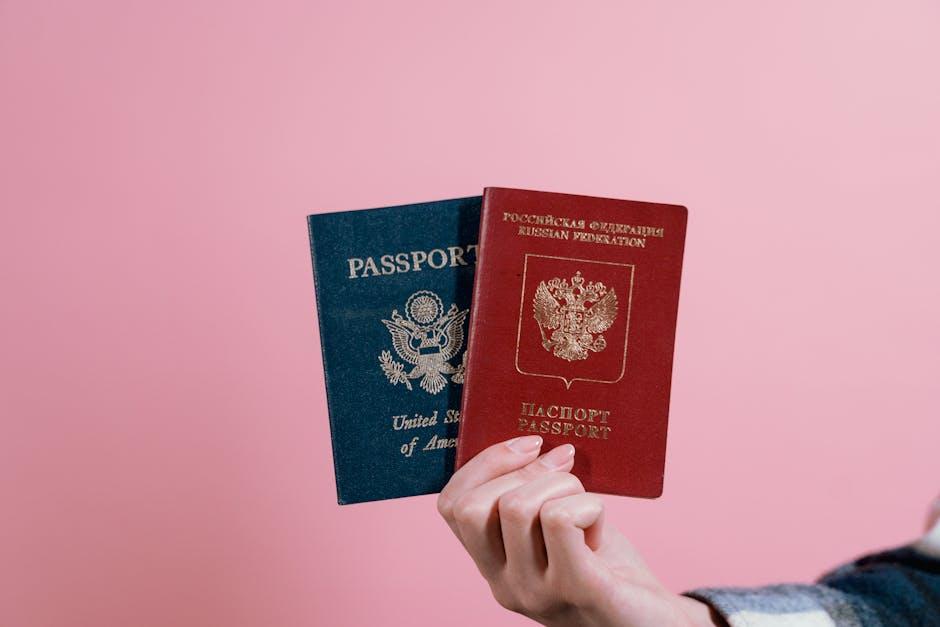
Holding two passports means legally possessing citizenship from two different countries simultaneously, which allows an individual to carry and use passports issued by both nations. This dual nationality status grants the right to live, work, vote, and access social services in both countries, depending on each country’s laws. Importantly, the rules regarding dual citizenship vary widely-some countries welcome and encourage it, while others require you to renounce previous citizenship before naturalizing. Understanding these distinctions is crucial for navigating travel, taxation, and legal responsibilities effectively. For example, dual passport holders often find increased travel flexibility, avoiding visa restrictions and gaining easier entry to many countries.
While there are clear advantages to holding two passports-such as expanded employment opportunities, better education access, and simplified travel-there are also challenges to consider. Dual citizens may face conflicting tax obligations, dual military service requirements, or legal complications if the countries involved do not recognize dual nationality. Here is a quick comparison table to illustrate typical benefits and potential drawbacks:
| Aspect | Benefits | Challenges |
|---|---|---|
| Travel | Visa-free access to more countries | Using the wrong passport can complicate entry/exit |
| Legal Rights | Voting, work, and residency in two countries | Conflicting laws; risk of double taxation |
| Identity | Access to cultural heritage and social networks | Emotional complexity; divided loyalties |
- Recommendation: Always consult with immigration or legal experts when considering dual citizenship, especially to understand obligations in both countries.
- Tip: Keep both passports up-to-date and be mindful of passport use depending on the country you are entering or leaving.
Unexpected Perks of Embracing Dual Citizenship
Beyond the well-known advantages such as ease of travel and expanded work opportunities, embracing dual citizenship often unlocks a range of unexpected perks that many may overlook at first. For instance, dual citizens typically benefit from enhanced access to social services in both countries, including healthcare, education, and retirement benefits. This means you can leverage quality healthcare systems or attend universities abroad at resident tuition rates that non-citizens wouldn’t normally qualify for. Additionally, some countries allow dual citizens to invest in property or start businesses with fewer restrictions, creating unique economic and entrepreneurial opportunities that can amplify your global lifestyle.
Another surprising advantage is related to legal protections and diplomatic assistance. Dual nationals can sometimes enjoy dual layers of legal support – in complex international disputes or emergencies – since they are considered citizens under two separate legal systems. This can be particularly advantageous for travelers or expatriates facing unforeseen issues abroad. Below is a comparison highlighting a few such unexpected benefits:
| Unexpected Perk | Benefit Explanation |
|---|---|
| Access to Public Services | Eligibility for healthcare and educational benefits as a resident citizen in both countries. |
| Investment Privileges | Ability to buy property or start businesses with fewer restrictions across borders. |
| Dual Legal Assistance | Potential diplomatic support from two countries in legal or emergency situations. |
Navigating Challenges When You Have Two Nationalities
Having two nationalities can open doors, but it also comes with unique challenges that require careful navigation. One primary area of concern is legal obligations. Dual citizens may face conflicting duties, such as double taxation or compulsory military service, depending on the countries involved. Additionally, the rules governing dual citizenship vary widely-some nations fully recognize it, while others impose restrictions or demand exclusive allegiance. Understanding these distinctions is crucial to avoid inadvertent legal conflicts. Travel can also be complicated, as dual nationals might need to use specific passports when entering or leaving certain countries, and visa requirements can differ significantly, leading to unexpected delays or issues at borders.
Beyond legal matters, dual citizenship can impact everyday life and identity in meaningful ways. For instance, dual nationals often must decide which country’s cultural, educational, or healthcare systems to engage with, which can complicate personal and professional decisions. When it comes to voting and political participation, rights might not be uniform across countries, posing dilemmas about representation and civic engagement. Practical tips to manage these challenges include:
- Stay informed: Regularly update yourself on the dual citizenship laws and obligations in both countries.
- Consult experts: Legal advice from immigration or tax professionals can clarify complex issues like reporting income or compliance.
- Maintain organized documentation: Keep multiple passports, residency permits, and any required declarations accessible and up to date.
- Prioritize transparency: Inform relevant authorities when dual nationality status affects legal or administrative processes.
| Challenge | Potential Impact | Recommended Action |
|---|---|---|
| Taxation | Double filing obligations, penalties for non-compliance | Use tax treaties, seek professional tax counsel |
| Military service | Mandatory enlistment in one or both countries | Research deferment or exemption options early |
| Travel restrictions | Passport usage rules, visa complications | Carry both passports and confirm entry rules before travel |
How to Decide if Dual Citizenship Is Right for You
Deciding if dual citizenship is right for you largely depends on your personal circumstances, future plans, and how you weigh its unique advantages against potential challenges. For example, dual citizenship offers increased travel freedom, expanded work and residency options, and the ability to maintain cultural ties. However, it can also mean navigating complex tax obligations, mandatory military service, or legal responsibilities in two countries. To evaluate these factors effectively, consider questions like: Will dual citizenship simplify or complicate your financial obligations? Are you prepared to handle legal duties in both nations? How important is preserving your heritage or accessing benefits such as healthcare and education abroad? Understanding these points clearly will help guide your decision.
Practical comparisons can clarify your choice further. Below is a simple table illustrating some key pros and cons:
| Pros of Dual Citizenship | Cons of Dual Citizenship |
|---|---|
| Access to social services in both countries | Possible double taxation or complicated tax filings |
| Ability to live, work, and study without additional visas | Dual military obligations or legal conflicts |
| Preserving cultural identity and family connections | Potential restriction or scrutiny in certain countries |
- Assess your long-term goals: Are you planning to settle permanently in one country or divide your time?
- Consult specialized legal and tax advice: Each country’s rules differ, impacting your rights and responsibilities uniquely.
- Research eligibility and renunciation policies: Some nations require you to give up other citizenships, while others allow multiple freely.
Ultimately, weighing the tangible benefits against legal and practical complexities – alongside your personal values and future aspirations – will help you make an informed choice regarding dual citizenship.
Clearing Up Common Myths About Dual Nationality
One of the most persistent myths surrounding dual nationality is that it automatically leads to double taxation or compulsory military service in both countries. While these concerns are understandable, the reality is more nuanced. Many countries have tax treaties in place to prevent double taxation, allowing dual citizens to file taxes only in their primary country of residence or receive credits for taxes paid abroad. Similarly, military obligations vary widely by nation; some may require service only if the individual resides there or reaches a certain age, while others offer exemptions or alternatives for dual nationals. It’s essential to review the specific laws of the involved countries rather than assuming universal rules apply.
Another common misconception is that dual nationality means you lose certain rights, such as voting or eligibility for public office. In fact, most countries recognize the rights of their dual citizens equally, though some might impose restrictions on holding specific government positions, particularly in roles related to national security. Furthermore, dual nationality doesn’t necessarily complicate travel or legal status-on the contrary, it often provides increased mobility, consular protection, and access to social benefits from both countries. Here’s a brief comparison to clarify key aspects:
| Myth | Reality |
|---|---|
| Automatic double taxation | Many countries have tax treaties to avoid it |
| Mandatory military service in both nations | Depends on specific national laws, often exempt or conditional |
| Loss of voting rights or citizenship privileges | Dual citizens retain most rights; some roles may have restrictions |
To Wrap It Up
In navigating the complex landscape of dual national citizenship, one uncovers a rich tapestry of identity, opportunity, and legal nuance. Whether it is the allure of broader travel freedoms, economic prospects, or a deeper connection to multiple cultures, holding passports from two nations opens doors that transcend borders. Yet, as with any journey, understanding the responsibilities and potential challenges is equally crucial. By demystifying the key aspects and addressing common questions, we hope to equip you with the clarity needed to make informed decisions about embracing dual nationality. After all, citizenship is more than a status-it’s a bridge between worlds, and in that intersection lies a unique story waiting to be told.




