
In a world that grows ever more connected, the concept of identity stretches beyond borders and passports. Double nationality, or dual citizenship, offers a unique blend of opportunities and challenges, weaving together the rights, responsibilities, and cultures of two nations into a single legal and personal fabric. But what does it truly mean to hold dual citizenship? Beyond the legal definitions, how can individuals embrace the benefits while navigating the complexities of allegiance, laws, and lifestyle? This article delves into the heart of double nationality, illuminating its meaning, exploring its advantages, and providing a clear path for those looking to understand or acquire dual citizenship with confidence and clarity.
Exploring the Essence of Double Nationality and Its Legal Foundations
Double nationality, often referred to as dual citizenship, occurs when an individual is legally recognized as a citizen by two countries simultaneously. This dual status is grounded in the distinct legal frameworks and policies of nations, which vary widely in their acceptance and regulation of multiple citizenships. While some countries embrace dual nationality without restrictions, others impose limitations or require citizens to renounce previous nationalities upon naturalization. Understanding these legal foundations is critical, as they determine your rights, responsibilities, and potential conflicts under each jurisdiction. For instance, dual nationals typically owe allegiance to both states, which can mean obligations like taxation, military service, and adherence to laws in each country, subject to bilateral agreements or domestic rules.
From a practical standpoint, dual citizenship offers considerable advantages such as enhanced travel freedom, access to social services, educational opportunities, and the ability to work or own property in either country without complicated visa processes. However, the legal complexity can introduce challenges, including diplomatic protection limitations-where one country may not intervene on your behalf when you are in the other-and potential issues with conflicting laws (e.g., inheritance, criminal jurisdiction). To navigate these complexities responsibly, it’s recommended to:
- Research each country’s stance on dual citizenship: Confirm whether they recognize it and what obligations or restrictions apply.
- Evaluate tax and military service implications: Be aware of dual tax filing requirements or conscription policies.
- Consult legal experts or consular services: Before acquiring or renouncing citizenship to understand long-term consequences.
| Country Policy | Dual Nationality Allowed | Key Restrictions |
|---|---|---|
| United States | Yes | Potential tax obligations in both countries |
| Japan | No | Requires renouncing other nationality by age 22 |
| Canada | Yes | No major restrictions |
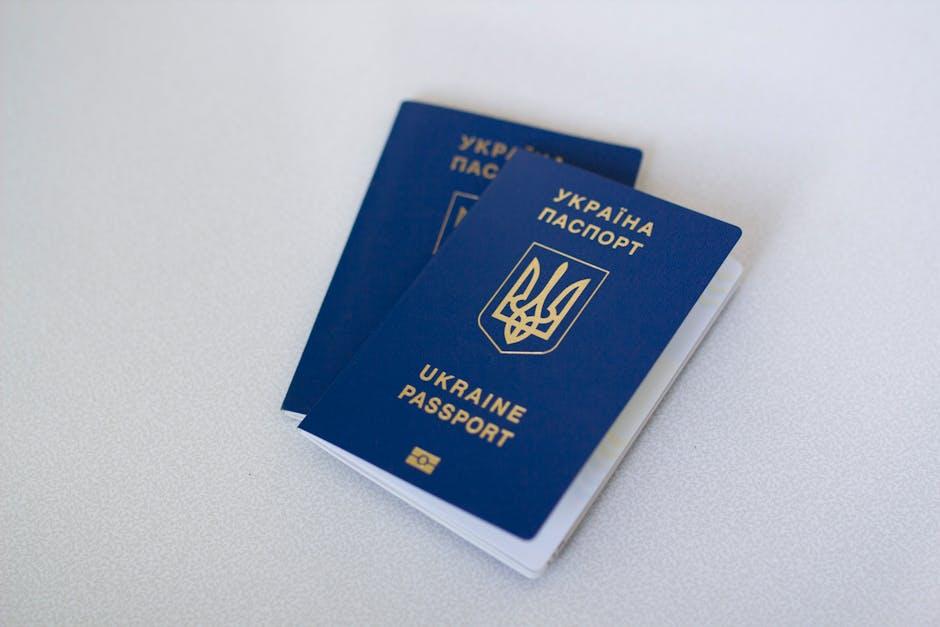
Unlocking Opportunities Through Dual Citizenship Benefits
Dual citizenship offers a unique gateway to a wealth of opportunities that single nationality status might restrict. By legally holding two passports, individuals gain access to multiple labor markets, education systems, and social benefits. For example, dual nationals can work without needing special visas in both countries, take advantage of tuition fee discounts or scholarships reserved for citizens, and benefit from healthcare services or social security programs in either nation. This flexibility is particularly valuable for professionals seeking international careers, families wanting diverse educational options for their children, or retirees looking to optimize their quality of life by choosing where to live based on benefits rather than immigration constraints.
When comparing single versus dual nationality, it’s important to weigh these benefits against potential challenges such as tax obligations, legal responsibilities, or military service requirements that might accompany citizenship in some countries. To maximize advantages, consider these practical tips:
- Research bilateral agreements: Some countries have treaties that simplify taxation or social security for dual nationals.
- Stay informed on legal duties: Know if either country mandates military service or has restrictions on dual citizenship.
- Leverage financial advantages: Certain banking or property ownership privileges are exclusive to citizens.
- Maintain cultural ties: Dual citizenship can also facilitate access to cultural programs and community networks that enrich personal identity.
| Feature | Single Citizenship | Dual Citizenship |
|---|---|---|
| Travel Freedom | Limited to one country’s passport strength | Broader visa-free access through two passports |
| Work Authorization | Restrictive; may require visas | Automatic right to work in both countries |
| Access to Social Services | Available only in one country | Possible benefits in both nations |
By understanding and strategically navigating these benefits, dual citizens can unlock opportunities for personal growth, financial stability, and enhanced global mobility that single citizenship often cannot provide.
Challenges and Complexities in Managing Two National Identities
Managing two national identities often involves navigating a complex web of legal, social, and emotional challenges. While double nationality can offer significant advantages-such as ease of travel, employment opportunities, and cultural connection-it also requires understanding conflicting obligations like taxation, military service, and legal responsibilities in each country. For example, some dual nationals might face the burden of paying taxes to both governments or might be subject to compulsory military service in one or both countries. Furthermore, differences in legal systems and rights may lead to complications, such as access to healthcare or voting rights, which vary depending on each country’s policies towards dual citizenship.
Beyond legalities, balancing cultural expectations and identity can be equally demanding. Dual nationals often encounter questions about loyalty and belonging, sometimes feeling pressure to align with one nationality over the other in social, professional, or political contexts. To effectively manage these challenges, it is crucial to:
- Stay informed about each country’s laws regarding dual citizenship, including taxation, travel restrictions, and civic duties.
- Keep clear documentation of passports, visas, and residency papers to avoid legal conflicts or issues at borders.
- Seek professional advice when necessary, particularly for tax planning and legal representation in either country.
- Build supportive networks within both cultural communities to foster a sense of belonging and shared identity.
| Potential Challenge | Consideration for Dual Nationals |
|---|---|
| Taxation | Possibility of double taxation; may require filing returns in both countries |
| Military Service | Obligation in one or both countries depending on national laws |
| Legal Rights | Differences in healthcare, voting, and legal protections |
| Social Identity | Pressure to choose cultural allegiance; managing stereotypes |
Weighing the Pros and Cons When Choosing Dual Citizenship
Understanding the advantages alongside potential drawbacks is essential when deciding whether dual citizenship suits your personal and professional goals. On the plus side, dual citizenship often provides enhanced global mobility, allowing you to travel, live, and work in two countries without visa restrictions. This status also offers expanded access to social services, education systems, and employment markets in both nations. For families, holding two passports can simplify inheritance laws or citizenship transmission for future generations. However, these benefits come with complexities such as dual taxation obligations depending on the countries involved and possible military service requirements. Additionally, navigating legal differences and maintaining up-to-date knowledge of two distinct sets of obligations-like voting duties and compliance with local laws-can be challenging.
When weighing these factors, it’s helpful to compare your countries’ policies directly. Below is a simple comparison to clarify common considerations:
| Aspect | Benefit | Potential Challenge |
|---|---|---|
| Travel & Residency | Visa-free access and residency rights in both countries | Complex renewal rules or potential travel restrictions if political tensions arise |
| Legal & Financial | Access to financial institutions, property ownership, and healthcare services in both nations | Risk of double taxation and differing legal responsibilities |
| Civic Duties | Right to vote and participate politically in two countries | Possible conscription or civic duties in both |
Recommendations for prospective dual citizens include consulting with immigration experts to understand how dual nationality impacts your specific situation and reviewing tax treaties and legal requirements carefully. Balancing the exciting opportunities against the administrative and legal responsibilities is key to making an informed decision. Ultimately, dual citizenship can be a valuable asset if managed thoughtfully to maximize benefits and minimize complications.
Common Misunderstandings and Practical Tips for Navigating Dual National Status
Common misconceptions around dual nationality often cloud people’s understanding of their rights and obligations. One frequent misunderstanding is that holding two passports allows complete freedom to live and work anywhere, but practical realities vary widely depending on the countries involved. For instance, some nations require dual nationals to use only their passport from that country when entering or leaving, impacting travel convenience. Additionally, many believe that dual citizenship automatically exempts them from military service or taxes, yet obligations such as compulsory service, income tax, or social contributions may still apply independently in both countries. It’s also crucial to know that acquiring a second nationality doesn’t erase responsibilities to the first nation, such as jury duty or legal compliance. Recognizing these nuances can prevent unexpected legal or financial consequences.
Practical tips for effectively managing a dual national status focus on proactive planning and informed decision-making. Start by maintaining updated records of both passports and understanding expiration dates, visa requirements, and travel restrictions for each. Regularly consult official government sites or legal experts regarding changes in laws that might affect your dual citizenship, such as shifts in taxation or political relations. When dealing with bureaucracies, clearly state your nationality status upfront to avoid confusion or delays. It also helps to keep a checklist of country-specific rights and duties, for example:
| Aspect | Country A | Country B |
|---|---|---|
| Passport Use | Must use when entering/exiting | May allow alternative travel documents |
| Tax Obligations | Worldwide income taxed | Tax only on local income |
| Military Service | Mandatory, with exemptions | Voluntary only |
- Stay informed: Legal landscapes evolve, so keep abreast of any policy changes affecting dual citizenship in both countries.
- Legal advice: Consult with immigration or tax lawyers familiar with the laws of both nations to tailor strategies best suited to your unique circumstances.
- Documentation: Keep multiple certified copies of all identity documents to avoid delays during emergencies or official procedures.
In Retrospect
In a world that grows more interconnected by the day, understanding double nationality is no longer just a legal curiosity-it’s a key to unlocking new opportunities and embracing a broader sense of identity. Whether it’s the promise of travel freedom, access to different social benefits, or the enriching experience of belonging to two cultures, dual citizenship offers a unique blend of advantages and responsibilities. Navigating this complex terrain requires careful consideration, informed choices, and sometimes, a bit of patience. As laws and policies continue to evolve, staying informed will empower you to make the most of what double nationality has to offer-bridging borders not just on a map, but in the very fabric of your life.




