
In an increasingly interconnected world, the concept of a single nationality is evolving, giving rise to the complex and fascinating phenomenon of multiple citizenship. More than just a legal status, multiple citizenship reflects the layered identities, diverse heritages, and global lives many people lead today. But what does it truly mean to hold citizenship in more than one country? Beyond the allure of multiple passports, how do the laws that govern dual nationality shape opportunities and responsibilities? This article delves into the essence of multiple citizenship-exploring its benefits, potential challenges, and the key legal landscapes to navigate-offering readers a clear guide to understanding what it takes to belong to more than one nation in the 21st century.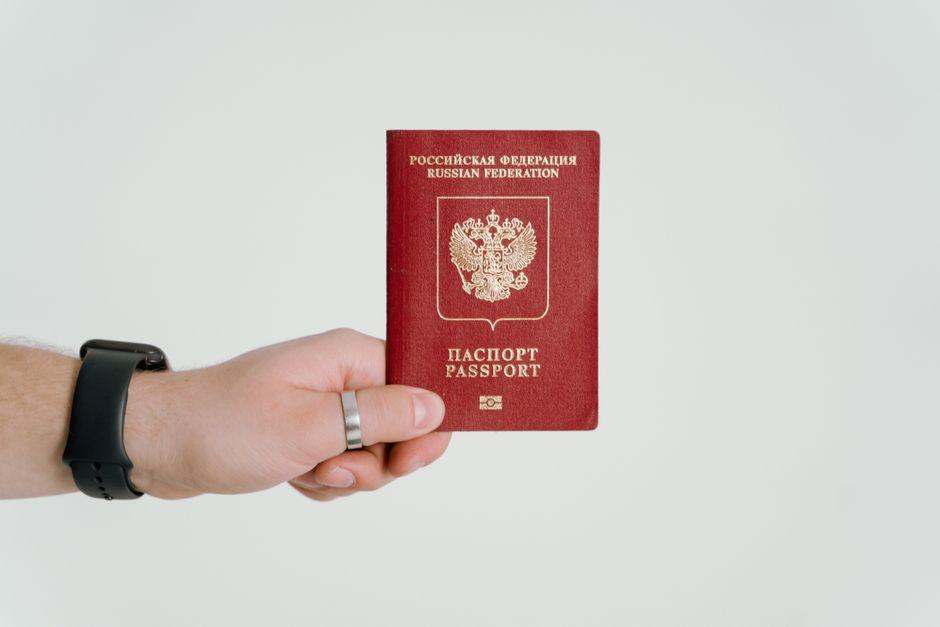
Exploring the Concept of Multiple Citizenship and Its Legal Foundations
Multiple citizenship, also known as dual or multiple nationality, refers to the legal status wherein an individual is simultaneously recognized as a citizen by more than one country. This recognition grants the individual rights and responsibilities under each nation’s laws, potentially allowing them to hold passports, vote, work, and access social services across these jurisdictions. Crucially, the legal foundations of multiple citizenship are rooted in national sovereignty and international agreements, which means that whether or not multiple citizenship is permitted depends on each country’s legislation and bilateral treaties. Some countries fully accept multiple citizenship, while others require individuals to renounce previous citizenships upon naturalization or impose restrictions to avoid conflicts of allegiance.
Understanding the legal landscape is essential when navigating multiple citizenship, as the benefits come with nuanced challenges. Benefits often include expanded travel options, broader employment opportunities, and easier access to education or healthcare systems abroad. However, legal complications can arise, such as tax liabilities in multiple countries or mandatory military service. The following table summarizes key differences in legal stances on multiple citizenship among various countries:
| Country | Multiple Citizenship Allowed? | Key Restrictions or Notes |
|---|---|---|
| Canada | Yes | No requirement to renounce other citizenships |
| Japan | Generally no | Requires choice of one nationality by age 22 |
| United States | Yes | May face tax reporting obligations in both countries |
| Germany | Restricted | Generally requires renunciation of prior citizenships unless exemptions apply |
- Recommendations: Before pursuing multiple citizenship, research the specific laws of involved countries to understand obligations such as taxes, military service, or diplomatic protections.
- Legal Advice: Consulting with immigration or nationality law experts can provide tailored guidance, ensuring compliance and maximizing benefits while minimizing risks.

Advantages and Challenges of Holding Dual Nationality in Today’s World
Holding dual nationality offers a unique blend of advantages that can significantly enhance personal freedom and global mobility. Dual citizens typically benefit from expanded travel opportunities, as they can enter two countries without visas, simplifying international movement for work, education, or leisure. They also gain access to the social services and economic resources of both nations, including healthcare, pensions, and employment rights. For many, dual citizenship allows stronger cultural and familial ties, fostering deeper connections in multiple communities. Additionally, owning property or investing in two countries becomes more straightforward without the usual restrictions faced by foreigners. However, it’s important to recognize that rules vary widely between countries, affecting eligibility for certain government positions, voting rights, and even taxation obligations.
Despite these benefits, dual nationality can also present complex legal and practical challenges. One major concern is the potential for double taxation, where citizens might owe taxes in both countries unless specific agreements are in place. Dual nationals may encounter mandatory military service requirements or conflicting legal obligations, complicating residency choices. There can also be difficulties related to diplomatic protection-if you face legal issues abroad, one country might not intervene on your behalf because you are also a citizen of the host nation. Understanding these nuances is critical; maintaining dual citizenship demands ongoing attention to changing laws, occasional paperwork renewals, and sometimes navigating differing political environments. To mitigate risks, it is advisable to consult immigration experts and tax advisors who can provide tailored guidance and help optimize the benefits while managing potential pitfalls.
Navigating Complexities in Dual Citizenship Laws Across Different Countries
Understanding the legal landscape of dual citizenship requires grasping the different stances countries take regarding multiple nationalities. Some nations, such as Canada and the United Kingdom, fully recognize and facilitate dual citizenship, allowing individuals to enjoy the rights and responsibilities of both countries simultaneously. Conversely, countries like China and India generally prohibit dual citizenship, often requiring new citizens to renounce their previous nationality. This divergence can create legal complexities, including potential conflicts in citizenship status, taxation, military service obligations, and even travel restrictions. When navigating these laws, it’s essential to confirm whether each country involved permits dual nationality and understand the specific conditions tied to maintaining it.
To manage these complexities effectively, consider the following practical steps:
- Research country-specific policies: Check official government websites or consult legal experts to clarify dual citizenship rules-especially about naturalization, citizenship loss, or rights limitations.
- Maintain documentation: Keep thorough records of passports, citizenship certificates, and correspondence related to nationality status to avoid complications during travel or legal processes.
- Understand tax and military duties: Dual nationals may be liable for taxes or conscription in either country. Consult tax professionals and stay informed about military service requirements.
| Country | Dual Citizenship Allowed? | Key Notes |
|---|---|---|
| Canada | Yes | No renunciation required; rights protected. |
| India | No | OCI card available but not dual citizenship; |
| Germany | Restricted | Generally requires renunciation except EU/Swiss citizens. |
By approaching dual citizenship with detailed knowledge and proactive planning, individuals can leverage its benefits-such as expanded travel freedom and business opportunities-while minimizing risks related to conflicting legal obligations. Professional advice tailored to personal circumstances is strongly recommended to navigate these intricacies confidently and ensure compliance in all involved jurisdictions.
Common Misunderstandings About Multiple Citizenship Clarified
One of the most common misconceptions about multiple citizenship is that it automatically means splitting loyalty between countries or that it creates unavoidable legal conflicts. In reality, holding dual or multiple citizenships often enhances personal freedoms, such as travel, work, and residency rights, without requiring you to renounce your original citizenship. It’s important to understand that the responsibilities and benefits vary widely depending on the countries involved. For example, some nations impose military service or taxation obligations irrespective of where you live, while others do not. Clarifying these points early can prevent surprises and help you make informed decisions about managing your dual status.
Another frequent misunderstanding revolves around the assumption that multiple citizenships always complicate travel or entry into countries. While passport holders generally use the passport of the destination country for entry, dual nationals must be aware of unique rules such as:
- Visa exemptions: Some nationalities offer mutual visa-free access, but this privilege may not extend when using another passport.
- Consular protection: You may only receive diplomatic assistance from the country whose passport you are using at the moment.
- Legal conflicts: In rare cases, one country may not recognize dual nationality, impacting citizenship rights and legal protections.
| Misunderstanding | Reality |
|---|---|
| Multiple citizenship means dual loyalty conflicts | Many navigate dual loyalties seamlessly with clear legal frameworks in place. |
| Dual nationals must file taxes in all countries | Tax requirements vary; some countries tax based on residence, others on citizenship. |
| Using one passport restricts rights in another country | You typically use the passport of the country you enter, but privileges depend on bilateral agreements. |
Making Informed Choices When Pursuing Dual or Multiple Nationalities
When considering dual or multiple nationalities, making informed choices begins with understanding how different countries recognize and regulate multiple citizenships. Some nations permit dual citizenship without restrictions, while others require individuals to renounce previous nationalities or impose limitations on holding multiple passports. It’s crucial to research the legal frameworks of the involved countries, particularly regarding tax obligations, military service, voting rights, and eligibility for public office. Additionally, consider potential conflicts in laws such as mandatory national service or travel restrictions that may arise from holding multiple citizenships. Evaluating these factors upfront ensures that your decision aligns with your personal, professional, and legal circumstances.
Beyond legalities, weighing the practical benefits against potential drawbacks helps in making well-rounded choices. Dual nationality can offer advantages like improved global mobility, access to social services, and broader employment opportunities. However, it may also introduce complexities related to tax filings, inheritance laws, and obligations to multiple governments. The following table outlines key areas to compare:
| Aspect | Potential Benefits | Possible Challenges |
|---|---|---|
| Travel & Visa Freedom | Access to more countries without visa | Complex passport selection, entry restrictions |
| Legal Rights | Voting and property ownership in multiple countries | Conflicting laws and dual obligations |
| Taxes & Financials | Opportunity to optimize financial planning | Double taxation risks, complex reporting |
| Cultural & Family Ties | Strengthened identity and connection | Challenges in choosing primary allegiance |
- Recommendation: Consult with immigration lawyers or tax experts to clarify obligations before applying.
- Tip: Keep an updated record of all nationality-related documents and legal updates from each country.
- Consider: How your dual nationality may affect your dependents and future generations.
Final Thoughts
In a world that grows ever more interconnected, multiple citizenship stands as both a symbol and a tool of modern identity-bridging cultures, opening doors, and expanding horizons. Understanding what it truly means to hold allegiance to more than one nation is not just a legal exploration but a journey into the complexities of belonging. Whether motivated by family heritage, career prospects, or personal freedom, navigating the intricate landscape of dual nationality laws requires careful consideration and informed choices. Ultimately, embracing multiple citizenship can offer a unique passport to opportunity, but it also calls for a mindful balance between rights and responsibilities. As borders blur and identities intertwine, the conversation about multiple citizenship invites us all to rethink what it means to belong-to multiple places, and to multiple selves.




