
In an era where the lines of nationality are increasingly blurred, the concept of belonging takes on new complexities. “Between Borders: Navigating Identity and Belonging in the World of Multiple Citizenship” dives into the lives of those who carry more than one passport – individuals whose identities stretch across continents, cultures, and legal definitions. This exploration is not just about the logistics of multiple citizenship, but about the deeper journey of finding home in a world that no longer fits neatly within borders. As globalization reshapes our collective experience, how do people reconcile the diverse facets of their identity, and what does it truly mean to belong?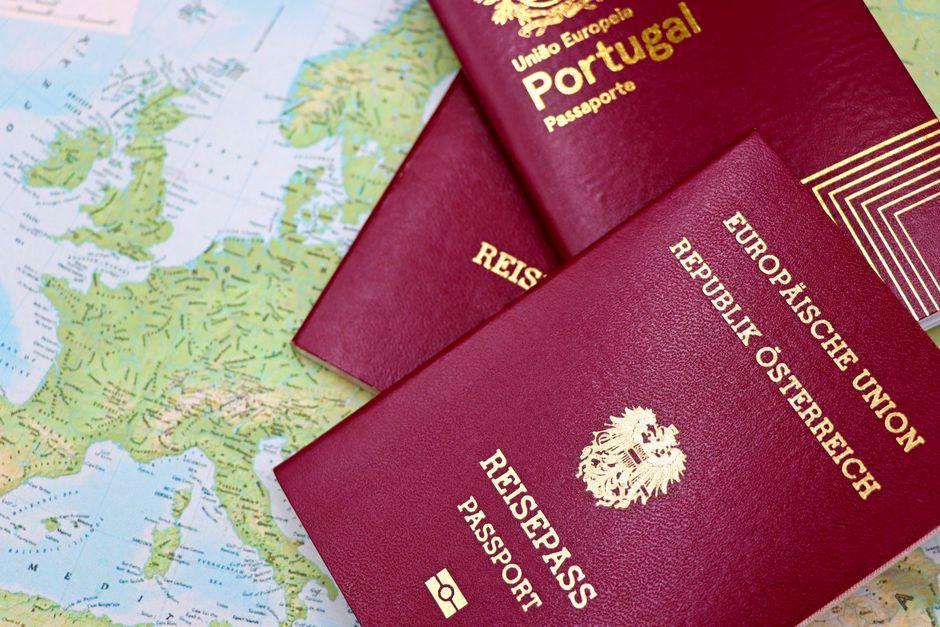
The Quiet Complexity of Holding Multiple Passports
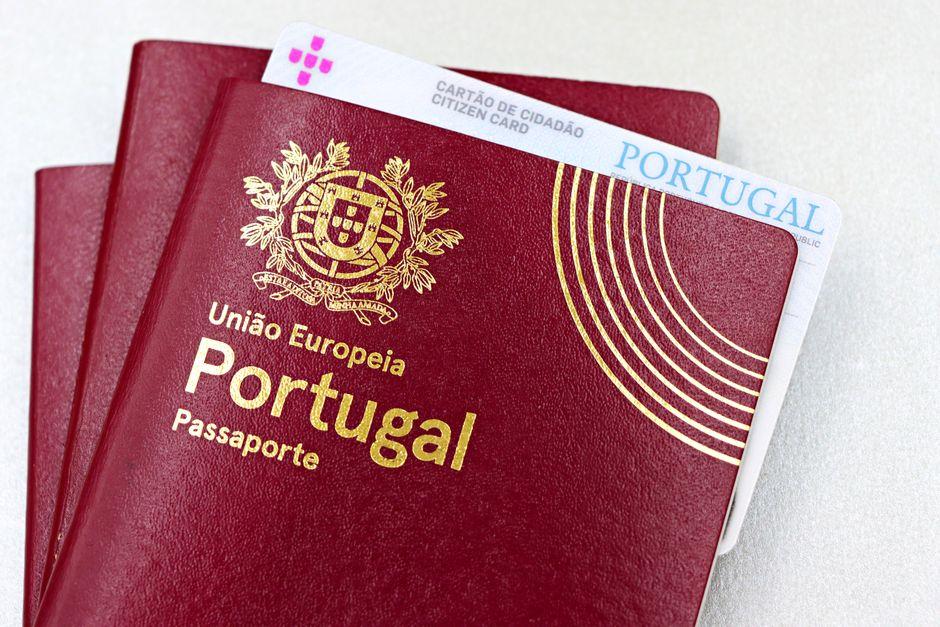
Imagine Ana, born in Brazil to Portuguese parents, who later moved to Canada for work. She holds three passports-a tangible symbol of her layered identity, yet they often bring unspoken challenges. When Ana travels, she juggles expectations: the Brazilian warmth everyone assumes she embodies, the structured punctuality her Portuguese relatives expect, and the polite reserve common in Canadian culture. At times, immigration officials question why she enters with a Portuguese passport but exits with a Canadian one, sparking moments of silent identity negotiation. It’s not simply about convenience; it’s a quiet complexity of belonging to multiple worlds simultaneously, where every border crossed is also a line drawn between belonging and alienation.
Anna’s experience shines a light on the nuanced realities behind the official papers. Multiple citizenship can open doors-both literal and figurative-but it also requires navigating a patchwork of legal obligations such as tax filings, compulsory military service, or voting rights that differ among countries. As many discover, expectations of seamless mobility or a straightforward identity rapidly give way to the messy reality of balancing loyalties and responsibilities. For example:
| Country | Common Legal Complexity | Typical Personal Dilemma |
|---|---|---|
| United States | Tax obligations worldwide | Deciding whether to report foreign income or renounce citizenship to avoid taxation |
| Germany | Restrictions on dual citizenship | Choosing which citizenship to keep when reaching adulthood |
| South Africa | Mandatory military service for males | Balancing conscription requirements with life abroad |
- At each crossroads, individuals must weigh personal identity against bureaucratic demands.
- Holding multiple passports is less about the freedom to move and more about managing the quiet complexities of where-and how-you truly belong.
When Home Is a Collection of Places
When Anna received her second passport, she expected it to be a simple formality-a checkbox on her life’s list. Instead, it marked the beginning of a subtle transformation in how she viewed “home.” Born in Brazil, educated in Canada, and now holding citizenship in Portugal, Anna’s identity wasn’t just layered but scattered across continents. At family gatherings in São Paulo, she’d catch herself slipping into Portuguese to talk about her new legal ties to Europe, while in Lisbon, neighbors would be fascinated by her Brazilian warmth and Canadian politeness coexisting in one person. Home became less about a fixed address and more a mosaic of experiences, relationships, memories, and legal ties. This dispersion sparked a quiet tension-when emergencies arise, which country should she turn to? Where does she belong in the moment of need, not just in passport portfolios?
Consider the case of Jamal, a dual citizen of Kenya and the UK, who faced a pivotal decision when asked to vote in an election that would affect his future but also challenge his sense of belonging. Voting in the UK felt natural politically, but the emotional pull towards Kenya-the land of his ancestors-made the decision heavy. Through his journey, Jamal learned that multiple citizenships demand continual negotiation between expectations and reality:
| Expectation | Reality |
|---|---|
| Feeling fully accepted everywhere | Often feeling ‘othered’ in each place, never fully at home |
| Access to opportunities in all countries | Complex bureaucracy and conflicting systems |
| Clear cultural identity | Cultural identity evolves, sometimes fragmented |
Navigating this patchwork of identity and belonging is not about finding a single “home” but embracing the dynamic, sometimes messy interplay between places that define us legally, emotionally, and culturally. It’s a lifelong dance of belonging to many worlds while carving out personal meaning in each.
Shifting Loyalties in a Transnational Life
When Maria received her second passport, a wave of excitement mixed with uncertainty washed over her. Born and raised in Brazil, she had long identified with its vibrant culture and close-knit family ties. However, after years working in Europe and establishing roots through marriage, her newfound citizenship brought an unexpected shift in her feelings of loyalty. At family dinners, conversations about which national holiday to celebrate became subtle negotiations-sometimes her siblings felt distant, questioning her choices, while Maria found herself caught between embracing new traditions and honoring her origins. This balance of loyalties isn’t simply a matter of legal status but a continuous navigation of emotional ties and societal expectations.
Consider David, an engineer with dual citizenship in Canada and Nigeria. When political tensions flared in one country, David faced a profound dilemma: should he speak out publicly, potentially putting his other citizenship at risk? This crossroads highlighted the real-world complexities that go beyond passports-loyalties can become fluid, shifting according to circumstance rather than fixed allegiance. Many in David’s position have learned key lessons:
- Context matters: Moments of crisis or celebration can redefine which identity feels more immediate or relevant.
- Transparency is vital: Open conversations with family and colleagues about one’s multiple ties can ease tension and foster understanding.
- Personal ethics often override national loyalty: Individuals may prioritize humanitarian or professional values over country allegiance.
| Expectation | Reality |
|---|---|
| Multiple citizenship guarantees a seamless sense of belonging. | Individuals often experience conflicting emotions and divided loyalties. |
| New citizenship replaces old identity. | Foundational ties to birth culture and family usually remain central. |
| One’s identity will solidify quickly. | The process is ongoing and requires continual reflection and adjustment. |
Stories of Identity from the Margins of Citizenship
Take Amina, for instance, a woman born in a war-torn region but raised in a neighboring country where her parents were granted refugee status. Despite holding legal documentation tied to her birthplace, Amina has never lived there, nor does she speak its native language fluently. Her dual identity didn’t simply grant her freedom of movement; instead, it complicated her sense of belonging. When she tried to enroll in university programs abroad, each institution challenged one citizenship over the other, casting doubt on her official identity and complicating scholarship eligibility. The decision was never just about legal status but about the recognition of her lived experience, a reminder that multiple citizenships can place individuals on the margins of belonging rather than at the center of opportunity.
In another scenario, Javier, with his Spanish-Argentinian citizenship, assumed that his dual status would smooth transitions between continents. Instead, he found himself caught between bureaucratic expectations-Spain wanting proof of non-Argentinian tax compliance, and Argentina asking for residency verification from Europe-turning simple administrative processes into prolonged ordeals. These moments exposed a stark contrast between the ideal of multiple citizenship as a fluid bridge and the reality of fragmented loyalties and conflicting state requirements. Javier’s experience teaches us that multiple citizenship often means carrying more than just passports; it is an ongoing negotiation that requires patience, resilience, and often, the hard lesson that legal identity doesn’t always translate to cultural or institutional acceptance.
Finding Roots in the Spaces Between Nations
For many holding multiple citizenships, the concept of ‘home’ becomes fluid, shifting across time zones, languages, and cultures. Take Leila, born in Canada to Lebanese parents, who often finds herself torn between the embracing charm of her family’s ancestral village and the fast-paced, individualistic nature of her urban Canadian life. Her holidays are a carousel of identity tests: in Beirut, she navigates the expectations of extended family traditions, while in Toronto, she balances her desire to integrate with a multicultural mosaic. In these liminal spaces, the challenge isn’t just about legal status-it’s about carving out a sense of belonging that honours all parts of one’s identity without feeling perpetually fragmented or “in-between.”
Deciding where to lay down roots often involves weighing more than emotional ties. Raj’s story illustrates this well: an Indian-American who, despite growing up in the US, chose to pursue citizenship in Singapore to access better career opportunities and education for his children. His choice sparked internal and external debates-loyalty, practical concerns, and future aspirations intertwined. What he expected to be a straightforward decision revealed itself as a complex negotiation between identity, opportunity, and personal values. His experience underscores that in the spaces between nations, citizenship is not only about rights and paperwork but about actively crafting a life that blends heritage and forward-looking ambitions.
| Individual | Countries of Citizenship | Key Considerations |
|---|---|---|
| Leila | Canada, Lebanon | Cultural duality, family expectations, identity fluidity |
| Raj | United States, Singapore | Career prospects, education, personal values |
Concluding Remarks
In the intricate tapestry of multiple citizenship, identity and belonging defy simple definitions, weaving together threads of culture, history, and personal experience. As borders blur and connections multiply, individuals find themselves navigating a complex landscape where allegiance is not confined to a single place or narrative. This journey between borders challenges us to rethink the meaning of home, prompting a deeper understanding of how identity transcends lines on a map. Ultimately, embracing the fluidity of belonging in a globalized world may lead not to division, but to a richer mosaic of human connection.




