
In an increasingly interconnected world, the concept of citizenship is evolving beyond traditional boundaries. Imagine a passport not just as a symbol of nationality, but as a strategic asset-a key unlocking new opportunities for travel, business, and personal freedom. This is the promise of investment citizenship, a contemporary phenomenon reshaping how individuals and nations engage on the global stage. Yet, behind its alluring appeal lies a complex web of legal, ethical, and economic challenges that ripple across borders. This article embarks on a journey beyond the conventional, exploring both the enticing prospects and the intricate hurdles of investment citizenship around the world.
Opening Doors Worldwide Through Investment Choices
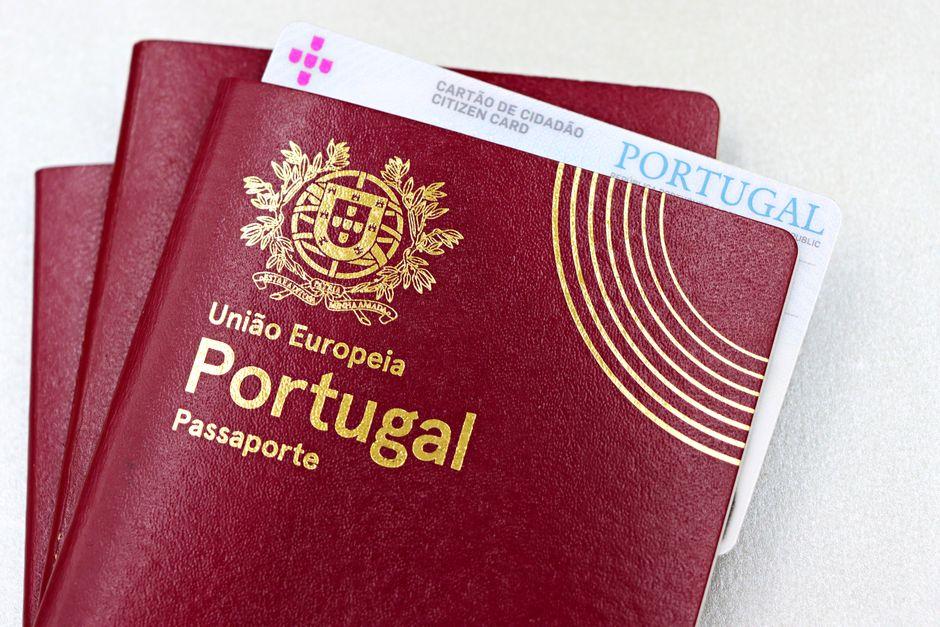
When Ana, a successful entrepreneur from Brazil, first explored the idea of investment citizenship, her vision was clear: she wanted easier access to European markets for her business and the ability to travel freely for both work and leisure. Like many, she imagined that securing a second passport through investment would be a straightforward gateway to new opportunities. However, Ana soon learned that the reality was layered with nuances. Programs vary significantly not only in cost but also in processing time, due diligence rigor, and the rights conferred. For instance, while countries like Portugal offer residency-through-investment programs that can lead to citizenship after five years, others such as St. Kitts and Nevis grant direct citizenship more quickly but may require larger donations or investments. Ana’s decision pivoted on balancing timeline priorities with risk tolerance, ultimately choosing a program that emphasized stability and long-term benefits over speed.
Through stories like Ana’s, it becomes clear that investing in citizenship isn’t just about the passport-it’s about strategic planning and aligning one’s future goals with each country’s unique offering. Consider these critical decision points many face:
- Investment Type: Real estate investment versus government bonds or direct donations.
- Residency Requirements: Mandatory stay requirements that might clash with personal or professional commitments.
- Due Diligence: The depth of background checks which can affect approval odds.
| Country | Investment Minimum | Approximate Processing Time | Residency Requirement |
|---|---|---|---|
| Portugal | €350,000 (Real estate) | 6-8 months initial | 7 days per year |
| St. Kitts and Nevis | US$150,000 (Donation) | 3-4 months | No residency required |
| Malta | €650,000 (Contribution + Investment) | 12-14 months | 12 months residency |
Understanding these details helps prospective investors weigh the promise of borderless mobility against the realities of compliance, cost, and lifestyle impact. For Ana, the lesson was that an investment citizenship program is less a “one-size-fits-all” shortcut and more a tailored pathway requiring careful consideration, professional advice, and a clear understanding of personal priorities.
Weighing the Complexities Behind Global Citizenship Programs
- Expectations vs. Reality: When Elena, a successful entrepreneur from Eastern Europe, first explored Citizenship-by-Investment programs, she imagined a straightforward path to a second passport that would open doors across the EU. However, her experience revealed layers of complexity-ranging from stringent due diligence to unforeseen tax implications. Her initial excitement met reality when the process extended far beyond the promised timelines, and local legal advice became essential to navigate shifting policies. Elena’s journey underscores a critical truth: these programs offer more than just a travel document; they require strategic foresight and patience.
Each program comes with nuanced requirements that can make or break an investor’s plans. Consider the contrast between countries like Malta and St. Kitts & Nevis-while Malta emphasizes strict compliance with due diligence and higher investment thresholds, St. Kitts offers a more streamlined but sometimes less transparent route. The lesson here is clear: investors must weigh the trade-offs between speed, security, and global reputation. For instance, some applicants find the allure of quick citizenship appealing, only to discover later that the passport’s visa-free access does not match their expectations. In essence, understanding the full landscape-legal, financial, and personal-is essential before deciding that investment citizenship is the right move.
| Key Consideration | Common Challenge | Impact |
|---|---|---|
| Due Diligence | Lengthy background checks and documentation | Delays and potential rejections |
| Investment Requirements | High capital demands vs. expected benefits | Financial strain or unmet goals |
| Legal and Tax Implications | Complex cross-border rules | Unexpected liabilities |
| Program Stability | Policy changes without notice | Uncertainty in long-term planning |
Turning Points in Personal Journeys Toward Second Passports
- Maria’s Realization: Maria, a successful entrepreneur from Brazil, initially sought a second passport purely for international travel ease. However, during her research, she encountered the harsh realities of political instability at home and unexpected visa restrictions that limited her business expansion. It was at the intersection of personal safety concerns and professional ambitions that her quest shifted from convenience to necessity. This pivot highlights a common turning point: the search for investment citizenship often begins with lifestyle aspirations but deepens with unforeseen external pressures.
- David’s Financial Rethink: For David, a middle-aged investor from South Africa, the promise of a second passport was wrapped in its potential to unlock tax efficiencies and global financial freedom. Yet as he navigated the complex landscape of citizenship-by-investment programs, he faced unanticipated costs, bureaucratic delays, and regulatory changes. This forced him to reevaluate his assumptions about the immediacy and simplicity of the process. His story underlines a critical lesson-while second passports offer significant benefits, they rarely come without trade-offs, requiring meticulous due diligence and realistic expectations.
| Expectation | Reality | Lesson Learned |
|---|---|---|
| Immediate Travel Freedom | Waiting times for application approval extended beyond a year in some cases | Patience and contingency planning are essential |
| Simple Financial Benefits | Hidden fees and complex tax laws complicated the financial gains | Engage expert advisors early in the process |
| Enhanced Personal Security | Political shifts sometimes affected program stability | Diversify personal and business risk strategies |
Learning from Varied Experiences Across Nations
- The Caribbean’s Nimble Niche: Take the case of a tech entrepreneur from Europe who sought a second passport through one of the Caribbean’s Investment Citizenship Programs. Initially attracted by the promise of visa-free travel and simplified tax planning, he soon faced unexpected legal complexities around dual citizenship and residency requirements. This real-world example reveals the tension between streamlined application processes and the patchwork of international regulations beneficiaries must navigate – a reminder that on-the-ground realities often diverge from glossy brochures.
- European Programs’ Rigorous Scrutiny: Contrast this with a family from Asia pursuing citizenship in a Southern European country. The family’s journey highlighted the extensive due diligence and slower, more bureaucratic pace unique to some European offerings. Unlike the Caribbean’s expedited pathways, these programs emphasize integration and continuous residence, which impacted their timeline and planning. Their experience underscores an essential trade-off: greater program rigor frequently means longer waits and more conditions, but potentially stronger long-term benefits.
| Region | Typical Investment Requirement | Processing Time | Key Considerations |
|---|---|---|---|
| The Caribbean | $100,000 – $250,000 donation | 3-6 months | Quick process, travel freedom, possible tax benefits, limited residency obligations |
| Europe | €250,000 – €2 million in real estate or bonds | 12-24 months or more | Stringent background checks, residency requirements, pathway to citizenship |
Balancing Opportunities and Risks in the Citizenship Landscape
- Consider the story of Elena, a tech entrepreneur from Eastern Europe, who sought citizenship through investment to easily expand her business across borders. Initially, the open-door promise seemed perfect: fast processing, visa-free access to strategic markets, and a potential tax haven. But as she advanced, Elena faced unexpected hurdles – stringent due diligence that delayed approvals, fluctuating government policies that affected her choices, and the complex web of compliance obligations in both her home and new countries. Her experience underscores a critical lesson: the path to second citizenship demands a clear-eyed assessment not just of opportunity, but also of regulatory intricacies and geopolitical shifts.
- This balancing act becomes even more vivid when we consider the contrasting experiences across different programs. For example, Caribbean nations often offer relatively straightforward and affordable routes, yet carry limitations in global mobility that European programs might not. Meanwhile, some European programs, celebrated for their prestige and access to the Schengen Area, come with significantly higher financial thresholds and evolving legal frameworks that can affect long-term residency rights. Below is a brief comparison illustrating this tension:
| Program | Investment Threshold | Visa-Free Travel | Processing Time | Potential Risk |
|---|---|---|---|---|
| Caribbean CIPs | $100,000 – $400,000 | ~140 countries | 3-6 months | Perceived lower global acceptance |
| European CIPs | €500,000+ | ~180 countries (Schengen access) | 6-12 months | Regulatory tightening, evolving policies |
Elena and others quickly learn that beyond the headline perks, decision-makers must integrate due diligence costs, potential political risks, and their long-term goals-whether that’s education, business, or safety. This mindset helps tilt the scale from mere enthusiasm to careful stewardship of opportunity and risk alike.
Wrapping Up
As the world becomes increasingly interconnected, the idea of citizenship intertwined with investment offers both unprecedented opportunities and unique complexities. Navigating the promises and challenges of investment citizenship requires a careful balance of ambition and caution-embracing the potential for global mobility, economic growth, and personal freedom, while remaining vigilant about ethical considerations, regulatory landscapes, and long-term implications. Beyond borders, investment citizenship is not merely a financial transaction; it is a gateway to new identities, responsibilities, and futures. As this dynamic landscape continues to evolve, the true measure of success will lie in how thoughtfully individuals and nations chart their paths through this intricate mosaic of possibilities.




