
In an era where borders blur and global opportunities beckon, the allure of investment citizenship has grown from a distant dream into a tangible pathway for many. Yet, behind the glossy promises of second passports and seamless freedom lies a multifaceted journey-one that intertwines legal complexities, economic implications, and personal aspirations. “From Dreams to Doors: Navigating the Complex Journey of Countries Offering Investment Citizenship” delves into the evolving landscape of this phenomenon, exploring how nations and individuals alike tread the delicate balance between opportunity and obligation in the pursuit of new identities.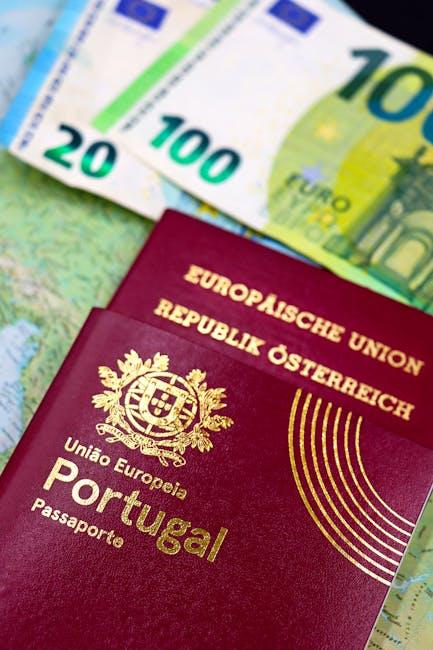
Embarking on a New Path: Understanding the Promise and Realities of Investment Citizenship
When James first heard about investment citizenship, it sounded like a straightforward ticket to a vibrant new future-a simple transaction: invest here, get a passport there. For many, this initial allure is wrapped in promises of visa-free travel, business opportunities, and a backup plan in uncertain times. Yet, as James soon discovered, the path often involves far more than meeting financial thresholds. Consider his experience: after choosing a Caribbean country touted for its fast-track citizenship program, he faced a maze of legal paperwork, unexpected government fees, and a surprisingly lengthy approval timeline. This contrast between expectation and reality is common. Many applicants underestimate the significance of due diligence-not just on the country’s offerings but also on the political stability, reputation, and tax implications of their new citizenship.
In navigating these complexities, it’s crucial to weigh the *promise* against the practicalities and personal goals. Take Anna, for example, who sought citizenship in a European country primarily for increased mobility within the EU. Her research phase illuminated the benefits, but also the limitations: residency requirements that demanded more physical presence than she anticipated, language and integration prerequisites, and a long waiting period before full rights were granted. From these experiences, several lessons emerge:
- Thorough Research: Understanding each country’s unique process and long-term obligations prevents surprises.
- Legal and Financial Advice: Professional counsel can clarify tax residency rules and dual citizenship policies.
- Setting Realistic Expectations: No program is a “golden ticket”-commitment and time are often necessary.
| Expectation | Reality |
|---|---|
| Instant citizenship upon investment | Processing times ranging from months to years |
| Simplified application with minimal paperwork | Extensive background checks and document verification |
| Tax advantages automatically included | Varies greatly; some countries impose additional tax responsibilities |
Ultimately, embarking on investment citizenship requires a balanced view of both its promise and its realities. The journey can open doors, but it demands a clear understanding, preparedness for procedural hurdles, and a mindset attuned to long-term strategy rather than quick gains.

Unveiling the Hurdles Along the Way: Legal Complexities and Cultural Adjustments
- Legal Labyrinths: When Sarah decided to pursue investment citizenship in Portugal, she anticipated a straightforward application process supported by a clear government mandate. However, what she encountered was a labyrinth of ever-changing regulations and stringent due diligence requirements. Complicated paperwork, unexpected financial disclosures, and lengthy background checks extended her timeline by months. Sarah’s story is a familiar one-many applicants find themselves navigating shifting legal frameworks where rules differ not only between countries but sometimes within regions of the same country. This uncertainty often leads to a critical decision point: whether to hire specialized legal counsel to unravel complex compliance issues or risk costly application delays by going it alone.
- Culture Shock and Social Integration: Meanwhile, Daniel from Canada learned the hard way that acquiring citizenship is just the opening door; stepping through it requires far more than a passport. After obtaining citizenship in a Caribbean nation through investment, he initially underestimated the social nuances and cultural expectations that accompanied his new status. Simple elements-like adapting to local business etiquette, understanding community integration policies, or even daily communication styles-posed subtle challenges. His journey highlights a key lesson: cultural adjustment is integral to fully leveraging citizenship benefits, and it often demands patience and a willingness to embrace unfamiliar environments. While some find the transition smooth, others face a stark contrast between the promise of a new identity and the reality of forging a life within an established, distinct social fabric.
Turning Points in the Journey: When Expectations Meet Bureaucracy
For many hopeful applicants, the initial allure of investment citizenship programs lies in the promise of swift approvals and seamless access to new opportunities. Take, for example, Maria, a tech entrepreneur from Brazil who envisioned a straightforward path to European citizenship. However, her journey quickly illustrated a crucial turning point-the inevitable intersection of expectation and bureaucracy. What seemed like a clear checklist of investment requirements soon expanded into a labyrinth of due diligence processes, additional documentation requests, and mandatory interviews. This was not just paperwork; it was a test of patience, adaptability, and resilience. Maria found herself revisiting her choices multiple times, recalibrating her understanding of what “fast-track citizenship” truly entailed, only finding clarity after engaging with seasoned legal advisors and local specialists who illuminated the nuanced regulatory environment.
- Decision Point: Whether to invest upfront and await a potentially lengthy vetting period or to engage local experts to navigate regulations proactively.
- Lesson Learned: Early preparation and professional guidance can significantly reduce unexpected delays.
| Expectation | Reality |
|---|---|
| Simple submission of investment documents | Multiple rounds of background checks and supplementary paperwork |
| Approval within 3-6 months | Process often extended to 9-12 months due to governmental scrutiny |
| Uniform rules applied evenly | Varied interpretations depending on local administrative offices |
This junction between aspiration and administration often serves as a pivotal lesson for applicants: bureaucracy is less a hurdle than a landscape to be understood and navigated. In another case, Ahmed, an investor from the Middle East, encountered a sudden policy change mid-application that altered investment thresholds and residency reporting requirements. His ability to pause, reassess, and pivot-partnering with legal counsel and connecting with others in application forums-turned potential setback into strategic advantage. The contrast between the hopeful beginning and the practical realities underscores the importance of flexibility, local insight, and ongoing communication during this journey. It’s not just about crossing a line but understanding the contours of that line as it shifts beneath your feet.
Stories from the Gatekeepers and Seekers: Lessons Learned from Diverse Experiences
- Maria’s Journey from Doubt to Confidence: Maria, a tech entrepreneur from Brazil, initially saw investment citizenship as a straightforward backup plan amid political instability at home. However, her first attempt at applying in a Caribbean nation revealed unexpected hurdles: opaque timelines, shifting financial requirements, and a surprisingly opaque due diligence process. The waiting period stretched beyond her expectations, forcing her to pivot her strategy. Maria’s story underscores an important lesson: the importance of patience and due diligence when choosing a program. She eventually found success in a European country with a more transparent application process and supportive legal advisors, highlighting how thorough research and local expert guidance can dramatically reshape outcomes.
- Jamal’s Reality Check on Expectations vs. Results: From the outset, Jamal was enticed by vivid marketing campaigns promising quick, hassle-free citizenship through investments in real estate. Eager to fast-track his family’s future, he invested heavily in a popular Southeast Asian market only to encounter legal complexities and slow government reviews that dampened his initial enthusiasm. His story illustrates a common contrast between the alluring promise and the practical realities of bureaucratic processes. Jamal learned that:
- Regulatory environments can change without notice, affecting timelines
- Not all investments carry equal citizenship weight-some may fall short of requirements
- Engaging professionals locally who understand the nuances is invaluable in navigating pitfalls
His experience serves as a cautionary tale about balancing optimism with pragmatic planning, a balance essential to turning investment dreams into accessible doors.
Beyond the Passport: Weighing Long-Term Benefits Against Hidden Challenges
Imagine Elena, an entrepreneur from South America, who saw investment citizenship as her golden ticket to seamless global travel and expanded business opportunities. The allure was clear: a new passport offering visa-free access to dozens of countries, a means to diversify her assets, and a stepping stone to family security abroad. Yet, as she delved deeper, Elena confronts the less visible realities tied to these programs. Hidden fees, extended processing times, and varying degrees of political stability in the host country began to cloud the initial optimism. More critically, she found that qualifying investments were often locked in for years with limited liquidity, forcing a longer commitment than anticipated. For Elena, the trade-off emerged between immediate convenience and long-term financial flexibility-highlighting a common decision point: is the passport just a symbol, or a strategic asset?
Lessons from stories like Elena’s reveal that the ideal of investment citizenship often comes paired with nuanced responsibilities and risks. Beneficiaries must often navigate evolving regulations that may affect their rights or obligations, from tax implications to residency requirements. The contrast between expectation and reality is stark in the case of clients who underestimated the administrative burden post-acquisition-such as annual reporting or periodic renewals-that can erode the anticipated ease of global mobility. To better visualize these considerations, here is a simplified overview of key benefits versus challenges that prospective applicants commonly weigh:
| Long-Term Benefits | Hidden Challenges |
|---|---|
| Expanded international travel freedom | Complex ongoing compliance and documentation |
| Potential tax planning advantages | Unpredictable changes in host country laws |
| Diversification of assets and residence options | Long lock-in periods with minimal liquidity |
| Safety net for family future | High upfront investment and additional hidden costs |
- Decision moments typically occur when weighing cost versus flexibility: Is the upfront capital commitment justified by the lifestyle or security gains?
- Evaluating political and economic stability is vital, as sudden shifts can alter the program’s value drastically.
- Consulting with legal and financial advisors can clarify obligations and help in creating realistic expectations about what citizenship truly offers beyond the passport.
Insights and Conclusions
As we close the chapter on the intricate narratives woven by countries offering investment citizenship, it becomes clear that the journey from dreams to doors is far from straightforward. Each nation’s path is marked by distinct opportunities, challenges, and regulations that demand careful navigation. For those seeking to transform aspirations into tangible new beginnings, understanding the nuances behind these programs is essential. Ultimately, investment citizenship is more than a transaction-it is a bridge between ambition and identity, a passage through which the promise of a new horizon awaits those prepared to traverse its complex routes.




