
In a world where borders shift with the tides of politics, economies wobble under unexpected pressures, and global uncertainties have become the new norm, the idea of holding just one passport no longer guarantees security or opportunity. What was once considered a lavish perk reserved for the ultra-wealthy-the luxury of a second nationality-is transforming into a calculated strategy for survival and resilience. As geopolitical landscapes evolve and personal freedoms face unprecedented challenges, acquiring a second passport emerges not merely as a symbol of privilege but as a crucial lifeline to safeguard one’s future. This article explores why, in today’s interconnected yet unpredictable era, chasing a second passport moves beyond aspiration and becomes an essential maneuver for anyone seeking stability, mobility, and peace of mind.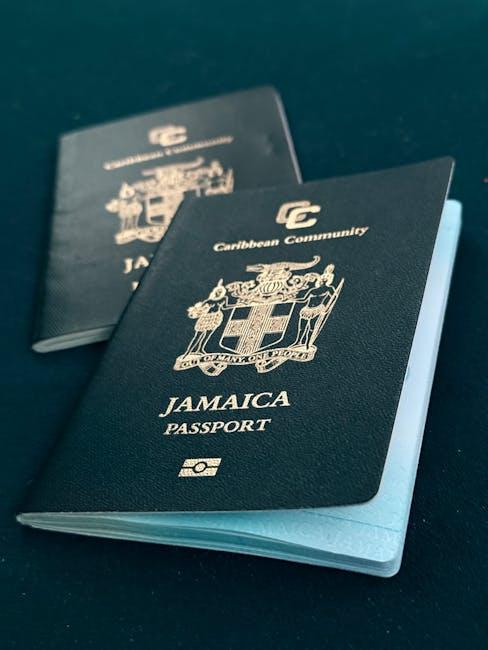
The Emerging Imperative of Dual Citizenship in an Unstable World
In today’s volatile geopolitical landscape, dual citizenship has transcended its image as a mere elite perk and evolved into a pragmatic necessity for individuals prioritizing personal security, economic stability, and mobility. The once prevalent notion that a second passport is an indulgence for globetrotting billionaires now clashes with the harsh realities of sudden policy shifts, currency collapses, and escalating travel restrictions. However, not all dual citizenships hold equal strategic value. The key lies in discerning citizenships that offer genuine versatility, low geopolitical risk, and robust consular protection rather than chasing status symbols confined to small, tax-advantageous states that may become liabilities under international scrutiny.
Understanding the trade-offs of dual citizenship is essential. For instance, some countries impose stringent tax obligations or mandatory military service on citizens regardless of their residence, which can negate the benefits sought. Moreover, acquiring a second nationality from politically unstable or autocratic regimes can inadvertently jeopardize one’s global standing and fluidity. Therefore, a nuanced approach recommends prioritizing passports linked to strong legal systems, freedom of travel to diverse regions, and minimal encumbrances like exit taxes or dual allegiance complications. The decision framework might look like this:
| Criteria | High-Value Citizenship | High-Risk Citizenship |
|---|---|---|
| Geopolitical Stability | Robust democracies with predictable governance | Countries prone to sanctions or coups |
| Travel Access | Visa-free or visa-on-arrival to major markets | Restricted or politicized travel corridors |
| Fiscal & Legal Burdens | Minimal tax and legal obligations | High tax exposure or mandatory obligations |
- Choose citizenships that complement each other: One passport for mobility, another for residency stability or economic advantage.
- Beware of the false security myth: Dual citizenship is not a guaranteed shield but a layered strategy requiring dynamic reassessment.

When Second Passports Conceal Risks Behind Their Allure
Second passports are often pitched as panaceas-silver bullets that unlock unfettered global mobility, financial security, and a safety net against geopolitical turbulence. Yet, this allure masks a critical reality: not all second citizenships are created equal, and their acquisition can come with unrecognized or underestimated vulnerabilities. The most seductive offers usually originate from countries with questionable due diligence standards, opaque governance, or shaken reputations on the world stage. This means holders risk investment losses, restrictions on movement when countries impose sudden sanctions, or even complex legal entanglements if the passport is not deemed bona fide by other nations. The promise of a golden ticket can swiftly sour into a bureaucratic labyrinth or geopolitical liability, especially as global scrutiny on citizenship-by-investment (CBI) schemes intensifies.
Understanding the trade-offs requires a discerning eye that weighs destination prestige, transparency of process, and long-term stability over immediate convenience or low entry barriers. For instance, while Caribbean passports offer relatively quick routes, they come with limited visa-free access compared to European or Pacific options, which demand heftier financial commitments but deliver broader strategic value. A useful heuristic is to consider:
- Risk of Reputational Dilution: Passports from nations flagged for corruption or poor rule of law may face travel bans or increased scrutiny.
- Legal Robustness: How well the second citizenship stands up under international law and bilateral agreements.
- Renewal and Maintenance Burden: Hidden ongoing costs or requirements to retain citizenship status.
- Resale and Exit Options: Whether the investment or citizenship can be exited or transferred without penalty.
| Passport Type | Appeal | Potential Pitfalls | Strategic Fit |
|---|---|---|---|
| Caribbean CBI | Fast acquisition, moderate cost | Limited visa-free travel, increased international scrutiny | Best for short-term mobility and emergency backup |
| European E-residency/CBI | Broad access, political stability | High cost, stringent vetting | Ideal for long-term strategic planning and business mobility |
| Pacific Nations | Stable environment, niche access | Limited global acceptance, potential isolation | Effective for regional safe haven and tax planning |
In essence, chasing a second passport without critical scrutiny risks entrapment in a veneer of safety that offers neither genuine freedom nor security. Savvy applicants approach second citizenship as a complex portfolio choice, weighing geopolitical trends, personal circumstances, and the evolving terrain of international law, rather than as a mere luxury item or checklist tick.
Rethinking Global Mobility: Beyond the Passport Chase
Global mobility today defies the simplistic narrative of borders and visa stamps; it’s less about the quantity of passports and more about the *quality* of the access they confer. A second passport is no longer the mere bragging right of globetrotters or expatriates-it has morphed into a calculated hedge against geopolitical volatility, economic upheaval, and shifting immigration policies. However, this shift demands a sharper evaluation: not all passports offer equal leverage. For instance, a Caribbean passport with visa-free access to 140 countries may initially sound appealing, but when paired against stringent banking regulations or limited business infrastructure in its issuing country, its strategic value diminishes. The contemporary global mobility paradigm requires discerning which passports function as *multi-dimensional passports*-offering financial freedom, social security, and geopolitical insulation simultaneously-rather than settling for tokens of travel convenience alone.
Trade-offs are inevitable. Pursuing a second passport through investment migration programs, for example, may grant access to stable jurisdictions but often entails significant capital outlay and lengthy bureaucratic processes that clash with the urgency many now face. Conversely, naturalization routes may offer deeper integration benefits, but these come with unpredictable timelines and potential cultural assimilation challenges. Savvy stakeholders should also recognize that digital residency and e-Residency initiatives are emerging as complementary tools that rethink traditional mobility frameworks by enabling location-independent business while sidestepping some passport limitations. To navigate these complex layers, consider the table below, which distills core factors often overlooked when evaluating the strategic worth of a second passport:
| Factor | Surface Appeal | Strategic Weight | Recommended Focus |
|---|---|---|---|
| Visa-Free Access | High number of countries | Quality & duration of stay | Target passports with long-term residency privileges |
| Economic Stability | Not always emphasized | Critical for wealth preservation & investment | Prioritize jurisdictions with robust legal frameworks |
| Dual Citizenship Policies | Often overlooked | Vital for freedom to retain original nationality | Choose countries with permissive dual citizenship regulations |
| Political Climate | Assumed stable if developed | Can rapidly shift, affecting security | Continuously monitor geopolitical trends |
Navigating Complex Trade Offs in Securing Alternative Nationalities
The pursuit of a second nationality today transcends mere convenience, diving instead into an intricate calculus of geopolitical, economic, and personal security variables. However, this complexity demands a discerning approach beyond the simplistic allure of “visa-free travel” or tax havens. Not all passports are created equal-some offer expansive global mobility but expose holders to aggressive taxation or compulsory military service, while others provide financial privacy yet limit access to premier global markets. Here, an unvarnished truth emerges: optimal citizenship isn’t about the most flags in your passport, but the precise alignment of risk tolerance, lifestyle ambitions, and legal protections. For instance, while Caribbean passports might promise quick acquisition and robust travel freedom, they often fall short on socio-political stability or long-term economic opportunity compared to European options that require longer, more rigorous processes but confer stronger global standing and security assurances.
Effective navigation of these trade-offs demands a nuanced framework, balancing three critical axes:
- Geopolitical Stability: Assess beyond surface-level indices to consider emerging socio-political fissures and long-term resilience.
- Legal and Tax Implications: Understand how dual citizenship interacts with both home and host country laws-double taxation treaties, expatriation rules, and residency obligations are often underappreciated minefields.
- Personal and Family Mobility: Factor in not just current but foreseeable shifts in travel freedoms and family rights, particularly in a world where border policies are increasingly fluid.
| Citizenship Attribute | Quick Acquisition | Long-term Security | Tax Complexity |
|---|---|---|---|
| Caribbean Economic Citizenship | High | Moderate | Low to Moderate |
| European Naturalization | Low | High | Moderate to High |
| Middle Eastern Residency/Citizenship | Variable | Variable (instability risk) | Low |
Ultimately, the pursuit of a second passport is a strategic hedge against uncertainty, not a loophole for privilege. It demands a thoughtful rejection of popular myths-such as instant global mobility or tax immunity-and instead embraces a bespoke approach that scrutinizes how each option fits the evolving contours of one’s personal security architecture. Legal advisement and geopolitical insight are not optional; they are prerequisites. In this arena, failing to engage with complexity equates to accepting hidden vulnerabilities in exchange for superficial gains.
Strategic Safeguards Versus Privilege Myths in Dual Citizenship Decisions
Dual citizenship is often glamorized as an elite privilege-a passport to effortless jet-setting, tax advantages, and global status. However, framing it primarily as a luxury commodifies what is essentially a strategic safeguard born from geopolitical uncertainty and economic volatility. The truth is more nuanced: while dual citizenship offers unparalleled mobility, it also demands a sophisticated understanding of legal, fiscal, and civic responsibilities that many dismiss. Those chasing second passports out of mere aspiration risk underestimating potential downsides such as complex tax implications, dual allegiance scrutiny, and changing immigration laws that can rapidly erode perceived freedoms. Recognizing these as calculated trade-offs rather than mere perks enables more resilient, future-proof planning rather than short-sighted privilege chasing.
Prudence in dual citizenship decisions involves balancing tangible safeguards against commonly overstated benefits. Consider the following strategic distinctions:
- Risk mitigation over status symbol: Prioritize passports from politically stable countries offering strong consular protections rather than those merely fashionable among elites.
- Long-term legal clarity over immediate convenience: Investigate bilateral treaties and citizenship revocation policies to avoid unintended statelessness or citizenship conflicts.
- Tax optimization with compliance: Employ expert counsel to navigate dual tax obligations rather than relying on hearsay about “offshore benefits.”
- Social integration potential: Factor local rights, language, and cultural access rather than assuming automatic “global citizen” appeal.
| Myth | Strategic Reality | Implication |
|---|---|---|
| Dual citizenship is a free pass to tax havens | Citizenship often entails complex tax reporting; benefits require proactive legal structuring | Requires upfront investment in expert advice, not passive gain |
| It guarantees unhindered global mobility | Visa-free access varies; geopolitical shifts can restrict movement unexpectedly | Maintain updated travel strategies and contingency plans |
| It’s solely a privilege for the wealthy | Broader applications exist for political refugees, entrepreneurs, and families seeking stability | Strategic citizenship planning is increasingly accessible and pragmatic |
The Conclusion
In a world defined by unpredictability, where borders shift and global landscapes evolve at a dizzying pace, holding more than one passport has moved far beyond the realm of luxury. It has become a calculated strategy-a lifeline offering flexibility, security, and freedom when the unexpected strikes. As geopolitical tensions simmer and economic uncertainties loom, the pursuit of a second citizenship stands not merely as an asset, but as a vital tool in navigating the complexities of modern life. In embracing this pragmatic approach, individuals are not just chasing privilege-they are securing a foothold for resilience in an increasingly complex world.




