
In an ever-connected world where borders are both gateways and barriers, the concept of citizenship has taken on new dimensions. Beyond the traditional birthright or naturalization, Citizenship by Investment (CBI) programs offer a unique pathway-one that blends financial commitment with the promise of new opportunities. But how exactly does this intriguing process work? What benefits does it bring, who qualifies, and which countries open their doors through such schemes? This article unpacks the mechanics of Citizenship by Investment, illuminating the eligibility criteria, advantages, and a global overview of options, providing a clear guide for those curious about this modern passport to the world.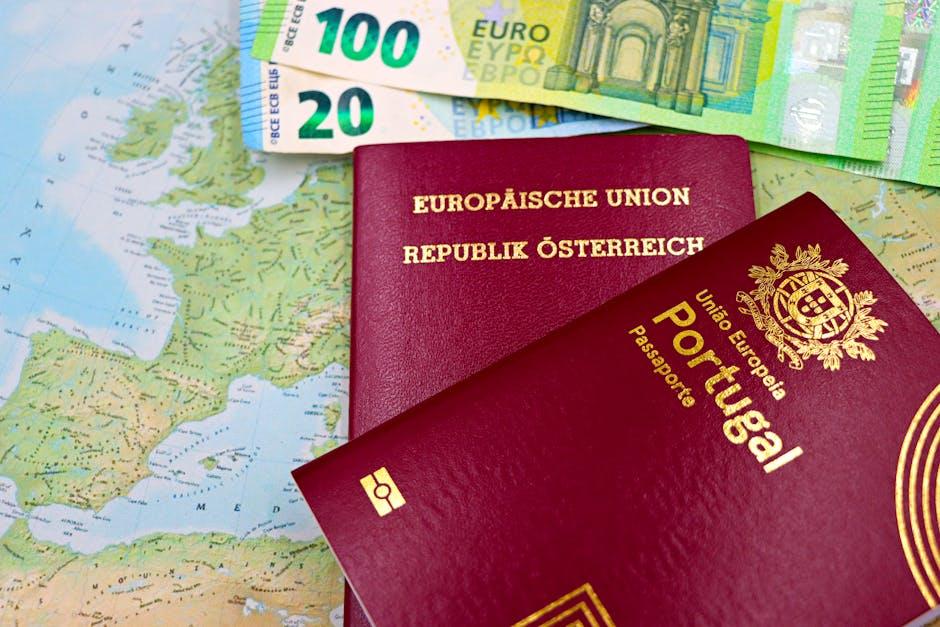
Understanding Citizenship by Investment and What It Means for You
Citizenship by Investment (CBI) is a legal process that allows individuals to acquire citizenship in a country by making a significant financial contribution to its economy. Typically, this investment can take the form of real estate purchases, government bonds, business development, or direct donations to national funds. Unlike traditional naturalization, which often requires years of residency, language proficiency, and cultural integration, CBI offers a streamlined path to citizenship-often granted within months. This approach appeals to high-net-worth individuals seeking increased global mobility, business opportunities, and access to new markets. Understanding the specific requirements and types of acceptable investments is crucial, as these vary widely by country and can influence the speed and benefits of citizenship obtained through CBI.
For prospective applicants, the advantages of obtaining citizenship via investment extend beyond a new passport. These benefits typically include:
- Visa-free travel: Ability to travel to numerous countries without prior visa arrangements.
- Tax optimization: Eligibility for favorable tax regimes or dual taxation treaties.
- Business facilitation: Enhanced access to international markets and financial systems.
- Family inclusion: Citizenship often extends to spouses and dependents.
However, potential issues must be considered, such as due diligence processes that screen applicants for legal and financial legitimacy, and the varying degree of recognition each passport offers globally. Comparing popular CBI programs by parameters like minimum investment, processing time, residency requirements, and global mobility score can help you identify the best fit for your goals:
| Country | Minimum Investment | Processing Time | Visa-Free Countries | Residency Requirement |
|---|---|---|---|---|
| St. Kitts and Nevis | $150,000 (donation) | 3-6 months | 150+ | None |
| Malta | €650,000 (contribution + real estate) | 12-14 months | 185+ | 12 months |
| Portugal | €280,000 (real estate) | 6-12 months | 190+ | None/Minimal |

Weighing the Advantages and Common Pitfalls of Investment Citizenship
Investment citizenship offers a unique pathway to secure a second passport by making a significant financial contribution to a country’s economy. The primary advantages include expedited processing times compared to traditional naturalization, enhanced global mobility with visa-free travel to numerous countries, and potential access to better business or educational opportunities. Additionally, it can provide a safety net for individuals seeking financial diversification or personal security in times of political or economic instability. Popular programs often require investments in real estate, government bonds, or direct donations, blending financial input with legal entitlements.
However, prospective applicants should carefully weigh common pitfalls associated with investment citizenship. These often involve high upfront costs that can range from tens of thousands to over a million dollars, depending on the country and program. Furthermore, misunderstandings about eligibility criteria can lead to application rejections or delays, as each jurisdiction maintains distinct regulations and due diligence standards. Some programs may also impose restrictions on residency requirements or periodic renewals, which can affect the overall convenience of holding dual citizenship. To make an informed decision, comparing key factors like processing time, cost, and long-term obligations across countries such as Malta, Saint Kitts and Nevis, and Portugal is essential for matching the right option to individual needs.
| Factor | Typical Advantage | Common Pitfall |
|---|---|---|
| Cost | Varies; often $100K-$2M+ | High upfront financial burden |
| Processing Time | Fast-track options as short as 3-6 months | Stringent due diligence causing delays |
| Residency | Often minimal or no physical presence required | Some programs require actual residency or visits |
Exploring Eligibility Criteria Across Popular Citizenship by Investment Programs
Understanding the eligibility criteria for citizenship by investment (CBI) programs is essential for prospective applicants aiming to navigate the process smoothly. Most popular programs require applicants to demonstrate a clean criminal record, proof of financial stability, and a legitimate source of investment funds. Age limits generally range from 18 to 65 years, though some countries allow dependents, including spouses, minor children, and even parents, to be included in the application. Additionally, many programs mandate a background check and medical examination to ensure applicants meet health and security standards. These requirements serve to protect the host country’s integrity while streamlining the vetting process, but they can vary significantly depending on the jurisdiction.
To clarify how these criteria differ across leading CBI destinations, consider the following comparison of key eligibility factors:
| Program | Minimum Investment | Residency Requirement | Family Inclusion | Criminal Record Check |
|---|---|---|---|---|
| St. Kitts and Nevis | $150,000 (donation) | None required | Spouses and dependents under 30 | Mandatory |
| Malta | €600,000 (combined investment and contribution) | 12-36 months residency | Spouse, children up to 26 years, parents | Comprehensive |
| Turkey | $400,000 (real estate) | None required | Spouse and children under 18 | Required |
When selecting a suitable program, applicants should weigh not only investment size and residency obligations but also the scope of family eligibility and compliance demands. Consulting with legal or immigration specialists can help mitigate issues related to documentation or disqualifying factors. Ultimately, clear understanding of eligibility criteria improves the success rate of citizenship acquisition and aligns expectations with the realities of each program’s framework.
Comparing Global Options to Find the Best Fit for Your Needs
Choosing the right citizenship by investment program requires carefully weighing various factors to find the best fit for your personal and financial goals. Key considerations include the investment amount, processing time, residency requirements, and the quality of passports issued. For example, some countries demand real estate purchases, while others accept government bonds or direct donations to development funds. Programs also differ in how quickly they grant citizenship-from as fast as 3-6 months to over a year-and whether physical residence is required before or after obtaining the passport. Additionally, visa-free travel benefits vary significantly, affecting your ability to travel globally. Understanding these differences upfront helps avoid surprises and aligns your investment with the lifestyle and legal privileges you seek.
Here’s a simplified comparison highlighting essential criteria across popular citizenship by investment programs:
| Country | Minimum Investment | Processing Time | Residency Requirement | Visa-Free Travel |
|---|---|---|---|---|
| St. Kitts & Nevis | $150,000 (donation) | 3-6 months | None | Over 150 countries |
| Portugal | €280,000 (real estate) | 12-18 months | 7 days/year | Schengen Area a plus |
| Malta | €650,000 (fund & property) | 12-14 months | 12 months | EU citizenship benefits |
| Vanuatu | $130,000 (donation) | 1-2 months | None | Over 130 countries |
- Tax implications: Some countries offer favorable tax regimes, particularly for passive income or foreign earnings.
- Family inclusion: Check if the program covers dependents and extended family members, as requirements differ.
- Transparency and reputation: Consider program legitimacy, background checks, and global perception to protect your investment.
By comparing these core elements, you can narrow down options to those that provide not only citizenship but also worldwide mobility, legal protection, and potential financial advantages tailored to your unique circumstances.
Practical Tips for Navigating the Selection Process with Confidence
- Understand the Documentation Requirements: Citizenship by investment programs require precise and often extensive documentation. Familiarize yourself early with the required documents such as proof of funds, police clearance certificates, medical reports, and detailed application forms. Organizing these materials in advance helps avoid delays and demonstrates your thoroughness to processing authorities.
- Work with Reputable Agents and Legal Advisors: Engaging professionals experienced in citizenship by investment schemes can streamline your journey. They provide critical guidance on program updates, ensure your application meets legal criteria, and help mitigate risks related to misinterpretation or submission errors – common pitfalls in the selection process.
| Common Challenges | Practical Solutions |
|---|---|
| Lengthy processing times and uncertainty | Maintain regular communication with program officials or your agent to receive status updates and prepare for additional requests promptly. |
| Eligibility misunderstandings or changes | Thoroughly review current eligibility criteria before applying and monitor official announcements for any modifications during the application timeline. |
In Summary
In a world increasingly defined by borders-both physical and economic-citizenship by investment emerges as a unique bridge, offering new avenues of opportunity and security. Understanding its intricate workings, from eligibility requirements to the diverse global options available, empowers potential investors to make informed decisions that align with their aspirations. Whether seeking a fresh start, enhanced mobility, or financial diversification, this modern passport strategy continues to reshape the contours of citizenship itself. As the landscape evolves, staying informed will remain key to unlocking the true potential of this innovative pathway.




