
In an increasingly interconnected world, the concept of home is no longer confined by geography or heritage alone. For many, the journey to belonging takes a unique and ambitious route-through citizenship investment. Crossing borders in search of opportunity, security, or newfound freedom, individuals embark on a path marked by intricate legal frameworks, financial commitments, and profound personal transformation. This article delves into the trials and triumphs faced by those choosing a new homeland through citizenship investment, exploring how this modern gateway reshapes identities, economies, and the timeless idea of what it means to call a place “home.”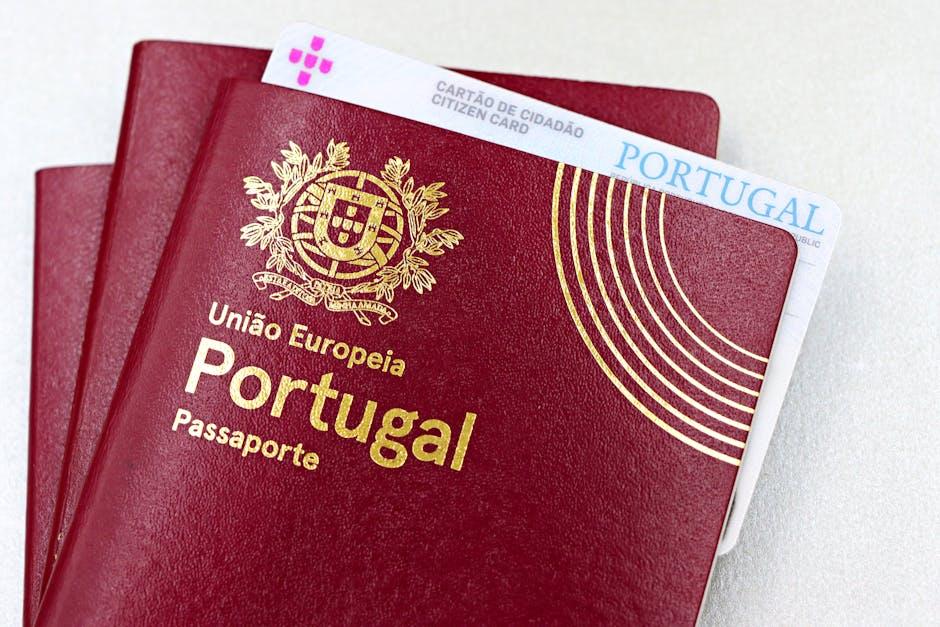
Navigating the Complex Journey of Securing a New National Identity
Securing a new national identity through citizenship investment is rarely a linear process. Take the experience of Mariana, a tech entrepreneur from Brazil who sought citizenship in Portugal. Initially drawn by the promise of a streamlined process and the allure of a European lifestyle, she soon found that bureaucratic requirements varied significantly from what she had anticipated. The gap between official guidelines and on-the-ground realities – from ambiguous document translations to unexpected tax implications – meant several rounds of paperwork revisions and legal consultations. Mariana’s journey highlights how flexibility and patience become as crucial as financial readiness when navigating these pathways.
Every applicant encounters pivotal decision points that can define their experience. Consider the choice between programs offering faster processing times but higher investment thresholds versus longer routes with lower capital requirements. In one comparison:
| Program | Average Processing Time | Investment Required | Key Advantage |
|---|---|---|---|
| Country A | 6-9 months | $250,000 | Speed and family inclusivity |
| Country B | 18-24 months | $100,000 | Lower investment cost |
It’s important to weigh not only the monetary outlay but the lifestyle disruptions and legal obligations that come with each route. For example, some applicants expected a seamless transition but faced delays due to unforeseen government closures or stricter background checks. Lessons learned from these stories emphasize the value of thorough due diligence-engaging experienced advisors and speaking with previous applicants-before committing both funds and aspirations to a new national identity.
Balancing Aspirations and Realities in Citizenship Investment Choices
- The dream vs. the due diligence: Take Sara and Jamal, a couple from the Middle East chasing better educational opportunities for their children. Their initial attraction was a Caribbean citizenship-by-investment program promising quick processing and visa-free access to Europe. However, once they landed, the reality of hidden fees, bureaucratic delays, and limited local infrastructure challenged their expectations. This highlights an essential decision point for applicants: balancing the allure of swift residency against the tangible lifestyle and financial implications. Comprehensive research and speaking directly with expats or legal advisors often prevent costly miscalculations.
- Investment choices that shape futures: Contrast Sara and Jamal’s experience with that of Minh, a tech entrepreneur from Vietnam, who chose an Eastern European citizenship program with a modest investment in government bonds. While the initial waiting period was longer and the visa-free travel somewhat limited, Minh found robust business opportunities and a welcoming environment for startups. His case underscores the value of prioritizing long-term integration and economic potential over immediate benefits. The lesson? Expectations must be carefully calibrated based on individual goals-whether rapid mobility, economic stability, or a genuine new home-with a mind to what sustainable benefits each program realistically offers.
| Decision Factor | Expectation | Reality / Lesson Learned |
|---|---|---|
| Processing Speed | Simple and fast application turnaround | Often involves additional checks, delays; planning buffer time is critical |
| Investment Type | Preference for real estate or direct business investment | Government bonds or donations might offer smoother approvals but different benefits |
| Quality of Life | Immediate access to international lifestyle | Varies widely; local infrastructure and social integration require adjustment |
Stories of Adaptation and Belonging from New Homeland Seekers
- Marina’s Journey from Anticipation to Belonging: Marina, a software engineer from Eastern Europe, initially chose citizenship investment to secure better education opportunities for her children. She expected a smooth transition, imagining a seamless blend into her new community. However, upon arrival, Marina quickly realized that cultural nuances and everyday interactions were more complex than bureaucratic paperwork. Language barriers and subtle social cues created an initial sense of isolation. Over time, by engaging with local community groups and volunteering in educational initiatives, she not only improved her language skills but also found a sense of belonging that far exceeded her expectations. Her story underscores the importance of active community involvement beyond legal residency-the real passport to integration.
- The Contrast in Daniel and Amina’s Decision-Making Process: When this couple from West Africa opted for citizenship investment in a Caribbean nation, their hopes were practical-ease of travel and business expansion. However, the journey revealed unexpected emotional layers. Daniel viewed the move as a fresh start, eager to embrace a new entrepreneurial culture, while Amina grappled with feelings of detachment from their extended family and heritage. Their contrasting experiences highlight critical decision points: beyond financial and logistical considerations, the emotional readiness to rebuild social networks matters deeply. By prioritizing cultural engagement-through cooking classes, local festivals, and faith-based communities-they both found varying but meaningful anchors that eased their adaptation. Their experience illustrates a fundamental lesson for new homeland seekers: success is often measured in human connection, not just economic advantage.
| Aspect | Expectation | Reality | Lesson Learned |
|---|---|---|---|
| Community Integration | Immediate acceptance and easy networking | Initial cultural isolation; gradual acceptance via active participation | Proactive engagement is key to building belonging |
| Family Adjustment | Smooth emotional transition | Mixed emotions; nostalgia and stress can linger | Emotional support networks are vital for resilience |
| Legal and Bureaucratic Process | Simple, straightforward procedures | Complex paperwork with unexpected delays | Patience and thorough preparation minimize setbacks |
Insights into the Unexpected Challenges Beyond the Paperwork
Obtaining citizenship through investment often seems straightforward on paper: submit your documents, transfer funds, and enjoy your new passport. However, many discover that the journey involves navigating complex cultural nuances and bureaucratic subtleties that forms no checklist can capture. Take Maria, for example, who after passing the stringent financial vetting, faced months of back-and-forth over seemingly minor details like the translation of her educational certificates and the precise notarization format required. What initially felt like a routine administrative hurdle taught her the importance of local legal expertise, patience, and the flexibility to adapt to unpredictable procedural requirements. This intermediate phase-between paperwork submission and the final approval-often tests applicants’ resilience, revealing a chasm between expectations and the reality of cross-jurisdictional administrative practices.
Beyond documentation, the emotional and social dimensions weigh heavily as well. Consider Jamal, who moved with his family after securing citizenship investment in a new country, only to realize that societal acceptance doesn’t always follow legal status automatically. The subtle challenges of integrating into a new community, understanding unwritten social codes, and sometimes confronting questions about his “true” belonging posed real obstacles. From these situations, some critical lessons emerge:
- Preparation extends beyond legalities: Deep understanding of local customs and systemic intricacies can ease unexpected delays.
- Choosing the right local partners: Trusted legal advisors and local contacts prove invaluable in bridging procedural gaps.
- Emotional adaptability: Adjusting to a new identity involves more than paperwork-it requires embracing a new social and cultural reality.
| Expectation | Reality | Adaptation Strategy |
|---|---|---|
| Simple document verification | Multiple rounds of clarifications & specialized notarizations | Engage native legal consultants early |
| Instant social integration | Gradual acceptance with unexpected cultural barriers | Active cultural immersion & community participation |
| Linear timeline, predictable process | Variable duration influenced by local bureaucracy | Flexible planning and contingency time built in |
Measuring Success in Building Roots Through Global Citizenship Paths
Measuring success when building roots through global citizenship programs often unfolds in subtle, deeply personal ways. Take Anna, an entrepreneur from Eastern Europe, who pursued citizenship investment in Portugal. Initially, her expectations centered on seamless access to the European market and a swift lifestyle upgrade. However, what truly defined her success was the gradual integration into the local community-her weekly visits to neighborhood cafés, her children’s fluency in a new language, and her growing network of friendships beyond business circles. These qualitative milestones, including cultural acceptance and a sense of belonging, emerged as more meaningful indicators of success than bureaucratic timelines or financial returns. The emotional resilience to navigate cross-cultural challenges, such as understanding local customs and adapting to new regulatory landscapes, became part of her measurable journey toward rootedness.
In contrast, others might fixate solely on the transactional benefits-travel freedom, tax advantages, or expedited citizenship. While these tangible outcomes rank high in expectations, the real test lies in how these benefits translate into long-term commitments. A recent survey comparing citizenship investment recipients found a significant gap between initial motivation and lasting integration:
| Success Metric | Expectation (%) | Result After 3 Years (%) |
|---|---|---|
| Permanent Residency Commitment | 85 | 60 |
| Local Language Proficiency | 70 | 45 |
| Established Local Networks | 65 | 50 |
- Lesson: Concrete success involves a blend of initial material benefits and ongoing cultural immersion.
- Decision Point: Prospective citizens must balance transactional incentives with the effort required to embed themselves socially and emotionally in their new homeland.
To Conclude
In the intricate dance of crossing borders, citizenship investment emerges as both a beacon of opportunity and a mirror reflecting the complexities of change. The journey toward a new homeland is rarely straightforward-it is marked by trials that test resolve and triumphs that redefine identity. As individuals navigate this passage, they not only seek economic or strategic advantage but also embrace the profound transformation that comes with belonging to a new community. Ultimately, crossing borders through citizenship investment is more than a transaction; it is a personal odyssey that challenges, reshapes, and enriches the very notion of home.




