
In a world increasingly defined by borders and belonging, the allure of citizenship by investment programs has sparked a new kind of journey-one that transcends geography and redefines the meaning of home. These pathways promise not just a passport, but a slice of opportunity, security, and global mobility, inviting individuals to weave themselves into the fabric of countries eager for fresh capital and talent. Yet, beneath the glossy surface of accelerated citizenship lies a complex terrain of promises and pitfalls. Navigating this landscape requires an understanding that goes beyond the transaction, exploring how identity, legality, and belonging intersect in a rapidly evolving global marketplace. This article embarks on that exploration, charting the nuanced experiences and realities within citizenship by investment countries-where dreams of belonging meet the challenges of integration and authenticity.
Paths to a New Identity Through Citizenship by Investment
When Mark, a successful entrepreneur from South America, first explored citizenship by investment programs, the idea was simple: a fresh start, smoother travel, and a broader business horizon. Yet, his journey quickly revealed the nuances behind the promise. Each program he considered-whether in the Caribbean, Europe, or the Pacific-came with its own set of hurdles, timelines, and cultural intricacies. For Mark, the decision wasn’t just about meeting financial thresholds but about understanding how his new identity would mesh with his personal values and long-term goals. The choice involved weighing factors like residency requirements, language barriers, and how a new passport might impact his sense of belonging. In this way, citizenship by investment becomes less a transaction and more a transformative process-one marked by reflection and strategic planning.
- Realistic Decision Points: Choosing between fast-track programs versus those requiring sustained physical presence.
- Unexpected Lessons: The importance of conducting in-depth local due diligence beyond official brochures.
- Outcome Variability: How some find a community that resonates, while others face feelings of detachment despite legal recognition.
Consider the case of Lina, who sought citizenship in a Mediterranean country primarily for educational access for her children. Though her application was swiftly approved through investment, the reality of integrating into a different social fabric-complete with language challenges and navigating the nuances of local bureaucracy-was a stark contrast to her initial expectations. Yet, over time, these challenges fostered a richer connection to her new home, illustrating that the path to citizenship is often intertwined with a gradual cultural immersion. This illustrates how citizenship by investment isn’t a mere shortcut to a passport but rather a unique personal journey, balancing pragmatic benefits with emotional adaptation.
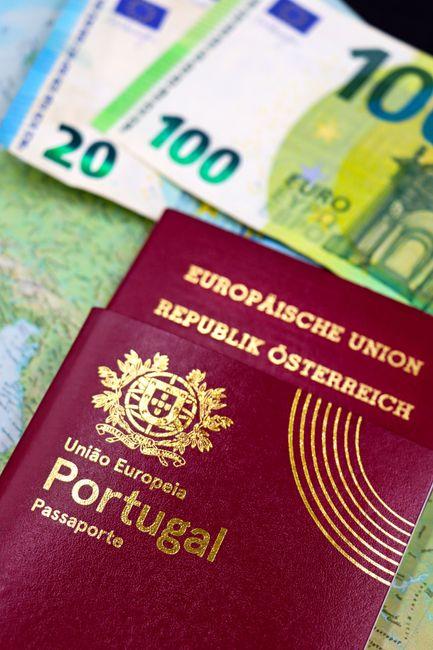
Balancing Opportunity and Risk in Global Mobility
When Maria decided to invest in a Caribbean citizenship-by-investment program, she imagined a seamless transition-an elegant new passport, enhanced travel freedom, and a fresh start in a sun-drenched island paradise. Instead, what unfolded was a lesson in the delicate balance between opportunity and risk inherent in global mobility. While her investment opened doors to visa-free travel in over 140 countries, she soon encountered unexpected challenges related to tax compliance and local residency requirements. Maria’s experience underscores a crucial decision point for many: the allure of immediate benefits can sometimes overshadow the long-term responsibilities and regulatory complexities tied to a new citizenship.
- Expectation: Instant access to expanded global mobility and simplified tax planning.
- Reality: Navigating multi-jurisdictional tax laws and fulfilling local residency obligations.
- Lesson learned: Meticulous due diligence and continuous legal guidance are not optional but essential.
Contrast this with David’s story-an entrepreneur who pursued citizenship in a European country for business expansion. David’s team invested months upfront researching political stability, integration policies, and economic outlooks before committing. When he received his new citizenship, he found genuine opportunities for cross-border investment and smoother intra-EU operations, but also realized that maintaining compliance with both his home and new country’s reporting standards demanded ongoing vigilance. Their stories reflect a shared truth: citizenship by investment is less a destination and more a journey, requiring informed choices at every step to harness its promise while mitigating risks.
Turning Points in the Quest for Accepted Belonging
- The Decision to Apply: For many applicants, the initial step toward citizenship by investment is filled with optimism and strategic planning. Take Anna, a tech entrepreneur from Eastern Europe, who viewed the program as a pathway to global mobility and business expansion. However, what she expected to be a swift process was met with bureaucratic complexities and unexpected delays. This turning point highlighted a common lesson: the need for patience and careful vetting of service providers. The anticipation quickly shifts as applicants realize that citizenship isn’t just a transaction-it’s a commitment that requires thorough documentation and an understanding of the host country’s legal landscape.
- Integration Beyond Paperwork: Another critical moment often comes post-citizenship-when individuals face the reality of social and cultural integration. Carlos, a business investor from Latin America, secured his new passport, but found acceptance within the local community elusive. Unlike the official recognition granted by the state, social belonging proved far more complex. His experience underscores a vital truth: citizenship by investment grants legal status but does not automatically confer cultural affinity or community acceptance. These turning points teach that true belonging demands active engagement-learning the language, respecting cultural norms, and contributing to local society beyond financial means.
| Turning Point | Expectation | Reality | Lesson Learned |
|---|---|---|---|
| Application Phase | Quick approval and seamless process | Complex documentation and bureaucratic hurdles | Prepare for due diligence and extended timelines |
| Post-Citizenship Integration | Instant acceptance in society | Need for cultural adaptation and social involvement | Cultural belonging requires ongoing effort and connection |
Insights from Diverse Experiences and Legal Complexities
- Case Study: From Promise to Paperwork
Take the example of Amir, a tech entrepreneur from Dubai who sought citizenship in a popular Caribbean program. Initially attracted by the promise of visa-free travel and business flexibility, he soon encountered unexpected bureaucratic hurdles. His application required extensive due diligence, including exhaustive background checks and financial disclosures that stretched his patience. The process, which he envisioned as a quick gateway to new opportunities, shifted into a lengthy navigation of legal nuances. Amir’s experience underscores a vital insight: even the most streamlined programs carry layers of complexity that demand diligent preparation and legal guidance. - Balancing Expectations with Reality
Contrast Amir’s story with that of Lucia, a family-oriented client investing in a European citizenship scheme primarily for educational access for her children. While she valued the pathway’s stability, Lucia quickly realized that ancillary conditions-such as residency requirements and municipal taxes-complicated what she assumed would be a straightforward investment. Her lesson was clear: the perks often come tethered to ongoing commitments that evolve beyond initial marketing promises. Both cases illustrate a common thread among applicants: the need to weigh not only the visible benefits but also hidden obligations. This balancing act informs many decisions and shapes outcomes far beyond the initial application stage.
| Aspect | Expectation | Reality | Lesson Learned |
|---|---|---|---|
| Application Timeline | 3-6 months | 6-12+ months | Plan for delays; factor in due diligence duration |
| Financial Commitment | One-time investment | Additional fees and taxes possible | Comprehensive cost assessment is essential |
| Residency | Minimal or none | Often mandatory for maintaining status | Understand residency requirements early |
| Legal Assistance | Optional | Frequently crucial | Professional legal counsel minimizes risks |
Evaluating the Long-Term Value Beyond Immediate Gains
- Immediate gains – often financial incentives, visa-free travel, or tax benefits – can appear compelling at first glance. Take, for example, a tech entrepreneur from South Asia who secured citizenship through investment in a Caribbean nation primarily for its access to European markets without a visa hassle. Initially, the decision seemed straightforward: a five-figure investment in real estate, a few months’ wait, and instant global mobility. Yet, as years passed, the realities of managing dual responsibilities surfaced. The entrepreneur found that the local infrastructure and business environment didn’t support long-term growth ambitions, limiting the expected economic advantages. This underscored a critical lesson: the value of citizenship stretches far beyond the paperwork, influencing lifestyle, business scalability, and even family dynamics over time.
- When weighing citizenship by investment, it’s essential to dig deeper into the lasting benefits versus upfront allure. For instance, a retired European couple sought Caribbean citizenship for better retirement terms and tax efficiency. While the program ticked all the boxes on paper, over five years they discovered that healthcare access, social integration, and cultural fit were limited, prompting a partial re-evaluation of their expectations. The couple’s journey highlights how the “promise” of citizenship often contrasts with lived experience – especially when emotional and social factors come into play. Evaluating longevity means considering questions like:
| Decision Point | Key Considerations |
|---|---|
| Integration Potential | Is there a strong, welcoming community? Will language and cultural barriers inhibit daily living? |
| Economic Stability | Does the country provide a resilient economy and growth prospects beyond real estate gains? |
| Legal and Political Climate | How stable and transparent is the governance? Are rights and freedoms genuinely safeguarded? |
| Family and Succession | Will citizenship benefits extend naturally to future generations? |
Final Thoughts
As the allure of citizenship by investment continues to draw individuals across the globe, these journeys of belonging reveal a complex tapestry woven with promise and challenge alike. In navigating this frontier, prospective citizens and host nations must weigh the transformative possibilities against the delicate responsibilities that come with new ties of belonging. Ultimately, citizenship by investment is more than a transaction-it is an evolving story of identity, opportunity, and the ongoing quest to find one’s place in an ever-connected world.




