
In a world where borders blur and cultures intertwine, the concept of identity takes on new dimensions. “Navigating Identities: The Complex World of Multinational Lives” invites us to explore the intricate tapestry woven by those who inhabit multiple cultural landscapes simultaneously. These individuals move between languages, traditions, and expectations, forging unique selves that resist simple categorization. As globalization deepens and personal journeys become ever more layered, understanding the nuance of multinational identities offers a window into the evolving human experience—one marked by fluidity, resilience, and the endless negotiation of belonging.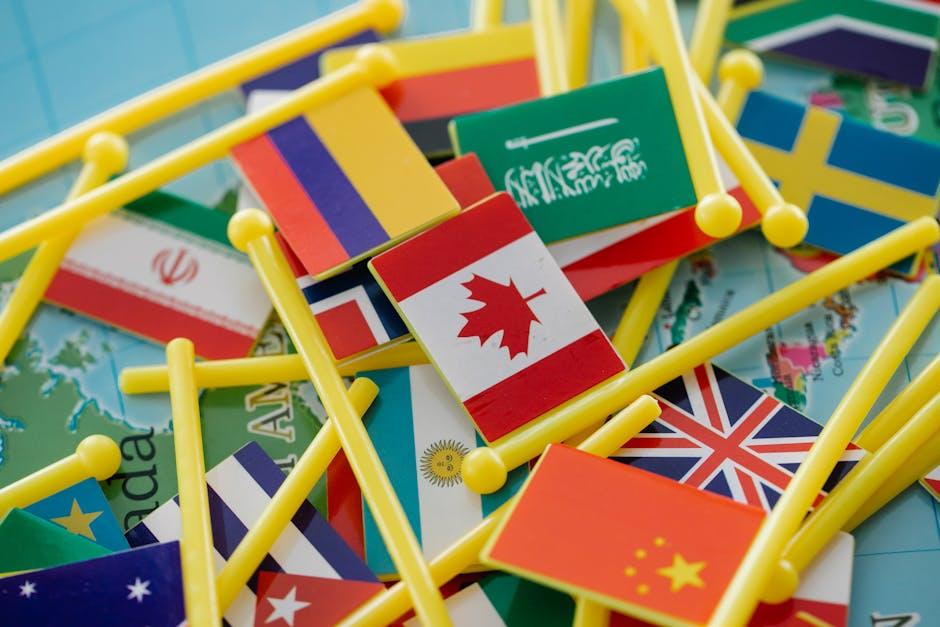
Understanding Cultural Hybridity in Multinational Experiences
In today’s interconnected world, individuals navigating multiple cultural landscapes develop identities that are fluid and multifaceted. This phenomenon transcends mere coexistence of traditions; it fosters a dynamic synthesis where elements from diverse cultures intermingle, sometimes harmoniously, at other times in gentle tension. These experiences are not just about blending languages or customs, but about constructing new meanings and values that redefine belonging. Cultural hybridity becomes a living dialogue between heritage and environment, creating unique social tapestries that enrich personal and collective narratives.
Recognizing the depth of these hybrid identities requires appreciating several key dimensions:
- Adaptability: The ability to shift cultural lenses depending on context, allowing seamless transitions across diverse social settings.
- Negotiation: The conscious balancing act between preserving one’s roots and embracing new influences.
- Innovation: Crafting new cultural expressions—whether in art, language, or daily rituals—that reflect complex backgrounds.
| Aspect | Traditional Culture | Hybrid Culture |
|---|---|---|
| Language | Monolingual | Code-switching |
| Identity | Fixed | Fluid |
| Customs | Preserved | Reinvented |

Balancing Personal and Professional Identities Across Borders
Stepping between cultures, languages, and expectations requires a constant recalibration of self. Individuals living and working across borders often find their personal and professional identities in a delicate dance, where each role demands distinct expressions and adaptations. At home, one’s roots, traditions, and intimate relationships shape a core sense of belonging, offering comfort and stability. Yet, entering the global workplace means embodying a professional persona influenced by different cultural norms, work ethics, and communication styles. This duality can lead to enriching growth, but also internal tension—striving to stay authentic while meeting diverse external demands.
Mastering this balancing act involves embracing both continuity and change, recognizing that identity is not fixed but fluid. Key elements that support this navigation include:
- Flexibility: Adapting behaviors without losing essence
- Mindful Awareness: Recognizing when and how to switch hats
- Support Systems: Building bridges between personal and professional circles
- Cultural Intelligence: Understanding and respecting different value systems
| Identity Aspect | Home Context | Work Context |
|---|---|---|
| Communication Style | Casual, emotive | Formal, strategic |
| Decision Making | Consensus-based, relational | Data-driven, timely |
| Time Orientation | Flexible, event-driven | Schedule-driven, punctual |
Challenges of Social Integration and Building Community Abroad
Living across cultures brings with it a mosaic of emotional and social hurdles that many underestimate. Beyond language barriers and customs, there lies a deeper, often invisible challenge: forging a sense of belonging in spaces that constantly shift beneath your feet. Immigrants and expatriates often grapple with feeling fragmented—caught between old worlds and new norms, where cultural codes clash and blur. This liminal existence can lead to an ambiguous identity, where the familiar comforts of one’s roots conflict with the urge to assimilate and thrive, creating internal friction that complicates social connections.
Building community in foreign lands demands more than superficial interactions; it requires navigating unspoken social rules and creating bridges across cultural divides. From microaggressions to differing values around time and communication, everyday social customs can become minefields. Consider this table summarizing some common challenges and suggested approaches to ease integration:
| Challenge | Impact | Suggested Approach |
|---|---|---|
| Language Nuances | Misunderstandings; isolation | Language exchanges; tailored courses |
| Cultural Norms | Social friction; alienation | Active cultural immersion; community events |
| Pre-existing Networks | Exclusion from informal groups | Joining interest-based clubs; volunteering |
- Empathy is key: understanding others’ backgrounds improves mutual respect.
- Consistency in engagement builds trust over time, essential for lasting bonds.
- Open-mindedness nurtures the ability to appreciate and adapt to new cultural dimensions.
Strategies for Emotional Resilience in a Cross-Cultural World
Resilience in a multicultural environment demands more than just coping mechanisms—it requires an intentional embrace of cultural hybridity and emotional agility. By recognizing the fluid nature of identity, individuals can develop a mindset that transforms challenges into stepping stones for growth. Attuning yourself to the subtle emotional undercurrents in different cultural interactions can unlock deeper understanding and lessen feelings of isolation, turning unfamiliar spaces into places of belonging.
Practical strategies often center around fostering connections that honor diverse experiences while grounding oneself emotionally. Consider weaving these core approaches into your daily life:
- Mindful reflection: Regularly explore your emotional responses to cultural stimuli without judgment, creating space for adaptive learning.
- Active cultural curiosity: Engage proactively with customs and perspectives different from your own to build empathetic bridges.
- Support networks: Cultivate diverse friendships and mentors who provide both cultural insight and emotional solidarity.
| Strategy | Emotional Benefit | Example |
|---|---|---|
| Mindful Reflection | Clarity and calm | Journaling cultural experiences |
| Active Curiosity | Empathy and openness | Trying new cultural cuisines |
| Support Networks | Belonging and confidence | Joining multicultural groups |
Practical Tips for Embracing and Celebrating Multinational Identities
Embracing a multinational identity often begins with hotspot moments of cultural immersion. Engage actively with traditions from all parts of your heritage—whether it’s cooking authentic family recipes, attending cultural festivals, or learning the languages tied to your roots. These experiences enrich your sense of belonging and create a living tapestry of your diverse identity. Remember, celebrations don’t need to be grandiose; even small, habitual gestures like greeting others in different languages or playing music from your various cultures can affirm your unique story daily.
Connecting with others who share similar multinational backgrounds can offer invaluable support and deeper understanding. Consider building intricate webs of community through channels such as:
- Multicultural social groups or online forums
- Workshops or classes focusing on cross-cultural skills
- Storytelling circles or heritage-sharing events
These networks not only amplify your experiences but also serve as safe spaces for expressing the complexities of multinational lives. To visualize the balance of identities, the table below outlines practical steps toward celebrating your diverse origins:
| Action | Purpose | Example |
|---|---|---|
| Language Practice | Connect with cultural roots | Joining a weekend language class |
| Ritual Observation | Preserve family traditions | Hosting cultural holiday dinners |
| Community Engagement | Build support networks | Participating in cultural festivals |
| Creative Expression | Tell your story uniquely | Writing poems blending languages |
The Conclusion
In the intricate mosaic of our globalized era, the lives of those who navigate multiple identities remind us that belonging is rarely straightforward. Each story weaves together languages, cultures, and histories, crafting a unique narrative that resists simple definition. As we continue to explore these multifaceted journeys, we gain not only a deeper understanding of identity itself but also a richer appreciation for the bridges built between worlds. In embracing the complexity of multinational lives, we open ourselves to a more connected, empathetic future—where identity is not a puzzle to solve, but a living, evolving tapestry to honor.




