
In an increasingly interconnected world, the concept of belonging is evolving beyond traditional borders. Dual citizenship, once a rarity, has become a nuanced reality for millions navigating the intricate pathways of identity, legalities, and allegiance. This phenomenon presents a tapestry woven with opportunities and challenges, where the privileges of multiple passports meet the complexities of overlapping responsibilities. Exploring the landscape of dual citizenship reveals not only the practicalities of living between two nations but also the deeper questions about identity, loyalty, and global belonging in the 21st century.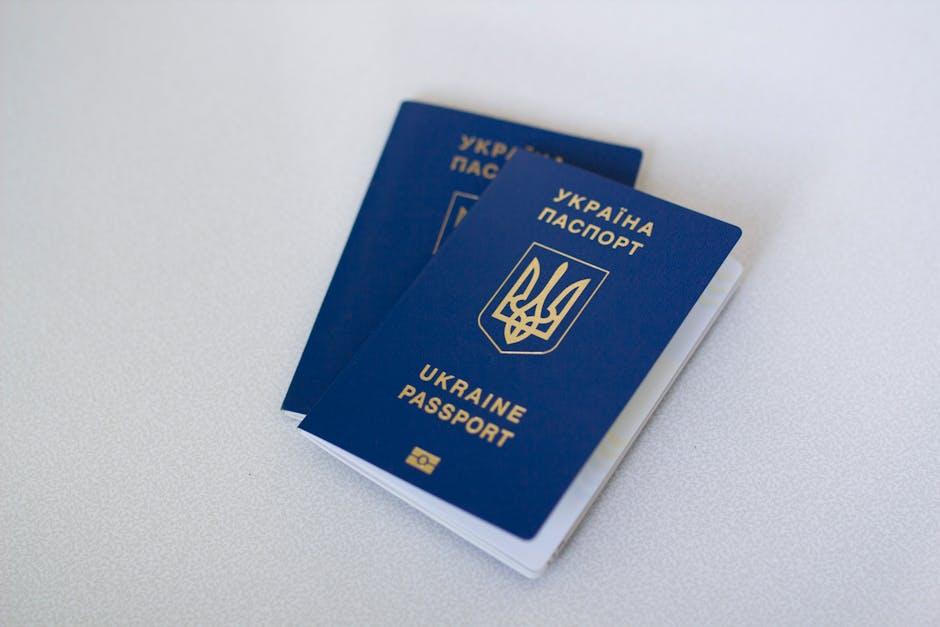
Understanding Dual Citizenship and Its Global Impact
Holding citizenship in more than one country opens doors to a world of opportunities while also presenting unique challenges. Individuals with dual citizenship often experience enhanced mobility, access to diverse job markets, and cultural enrichment. However, navigating the legal responsibilities and rights in each nation requires careful attention, as laws can vary dramatically. From taxation policies to voting rights, understanding the obligations attached to multiple nationalities is crucial to maximizing benefits without falling into unintentional legal pitfalls.
Global Impact of Dual Citizenship:
- Economic Benefits: Dual citizens contribute to bilateral trade and investment by bridging markets.
- Social Integration: They foster multicultural understanding and create transnational communities.
- Diplomatic Challenges: Some countries restrict dual citizenship, complicating diplomatic protection and consular assistance.
- Policy Evolution: Governments continuously adapt citizenship laws to reflect changing global mobility patterns.
| Aspect | Benefit | Potential Issue |
|---|---|---|
| Travel Freedom | Multiple passports ease border crossings | Visa restrictions may still apply depending on country pairs |
| Political Participation | Right to vote in two countries | Conflicting political loyalties |
| Taxation | Access to lower tax regimes | Double taxation risk |

Legal Challenges and Obligations Across Borders
Owning dual citizenship often places individuals at the intersection of overlapping legal frameworks. The juggling act between two nations’ laws can be intricate, requiring an attentive understanding of tax responsibilities, military service requirements, and voting rights. For instance, some countries mandate military service even if a citizen resides abroad, while others may impose taxation on global income regardless of domicile. Without careful navigation, these obligations could lead to inadvertent legal complications.
Moreover, international travel becomes a nuanced endeavor as dual citizens must consider the entry and exit regulations of both countries. Passport usage varies depending on jurisdiction, and some nations restrict dual nationals from using foreign passports when entering their territory. Below is a quick comparison illustrating typical obligations faced:
| Obligation | Country A | Country B |
|---|---|---|
| Tax Filing | Global Income Tax | Residence-Based Tax |
| Military Service | Required up to Age 30 | Exempt if Abroad |
| Passport Use | Must Use National Passport | Use Either Passport Allowed |
| Voting | Online Voting Available | In-Person Only |
Cultural Identity and Personal Belonging in Dual Citizenship
Dual citizenship often weaves a rich tapestry of cultural identity, where individuals find themselves embracing the traditions, languages, and values of two distinct nations. This blend offers a unique perspective—one that fosters deep empathy and broadens social horizons. Yet, it also introduces subtle tensions, as people may grapple with questions of loyalty, representation, and where their *true home* lies. Navigating these emotions requires a personal journey that balances pride in one culture with respect for another, creating an evolving sense of belonging that transcends borders.
In this process, the intersection of identities can be represented through shared customs and family histories, but also through everyday choices influenced by diverse cultural norms. Relationships, community involvement, and even cuisine become living symbols of this dual heritage. To visualize this dynamic, consider the following:
| Aspect | Influence of Dual Citizenship |
|---|---|
| Language | Fluency in two or more languages fosters deeper cultural connection |
| Festivals | Participation in celebrations from both countries enhances cultural blending |
| Family Traditions | Combining rituals creates new, hybrid customs unique to dual citizens |
| Identity Challenges | Feeling displacement or confusion about which culture to prioritize |
- Embracing complexity: Acknowledging that identity is fluid rather than fixed.
- Community connection: Finding support within diverse multicultural networks.
- Self-definition: Crafting a personal narrative that honors both cultural roots equally.
Financial Considerations and Tax Implications to Navigate
Holding dual citizenship often means juggling financial obligations and understanding multifaceted tax regimes. Each country may expect its citizens to report global income, leading to potential double taxation. However, many nations have treaties designed to reduce or eliminate this burden. To navigate these waters successfully, it’s crucial to maintain meticulous financial records and stay informed about filing deadlines and reporting requirements in both countries. Without this, penalties and unexpected tax bills can easily erode the benefits of dual nationality. Consulting a tax expert well-versed in international law can provide tailored strategies to optimize your tax position.
Additionally, investments, property ownership, and retirement planning must be aligned with the complexities of dual citizenship. Consider how citizenship status affects:
- Access to pension and social security benefits
- Inheritance and estate taxes across borders
- Capital gains implications on foreign assets
- Currency exchange risks and opportunities
| Financial Aspect | Dual Citizenship Impact | Tax Consideration |
|---|---|---|
| Bank Accounts | Multiple reporting requirements | Foreign Account Tax Compliance Act (FATCA) obligations |
| Real Estate | Different property tax regimes | Capital gains taxes vary by country |
| Retirement Funds | Access varies by citizenship | Treaty-based tax reliefs possible |
Practical Tips for Managing Your Rights and Responsibilities
Balancing the privileges and obligations that come with dual citizenship requires a proactive approach. Keep detailed records of your legal documents and stay informed about changes in laws that affect each nationality. Regular communication with consulates or embassies can provide you with essential updates on tax regulations, voting rights, and passport renewals. Taking time to understand the cultural expectations tied to citizenship can also help navigate social and legal landscapes more smoothly.
Organization is key to managing the administrative aspects effectively. Use checklists to track deadlines for responsibilities such as filing taxes, renewing visas, or fulfilling military service requirements. Consider this quick reference table to help you stay on track:
| Responsibility | Typical Requirement | Recommended Action |
|---|---|---|
| Tax Filing | Annual Reports | Consult Tax Advisor |
| Passport Renewal | Every 5-10 Years | Set Reminder 6 Months Early |
| Voting | Registration Needed | Check Local Rules |
- Stay informed: Laws and policies evolve; staying current is vital.
- Maintain dual documentation: Safeguard all citizenship documents in secure yet accessible places.
- Seek expert advice: Tax professionals and immigration lawyers can clarify complex situations.
The Conclusion
In the intricate dance of borders and identities, dual citizenship offers both a passport and a puzzle—a gateway to expanded opportunities intertwined with layers of responsibility and legal nuance. Navigating this complex terrain requires more than just paperwork; it demands a thoughtful understanding of the cultural, political, and personal dimensions at play. As the world grows ever more interconnected, the dual citizen stands at a unique crossroads, embodying the challenge and promise of belonging to two places at once. Embracing this duality means learning to balance allegiance and advantage, rights and regulations, in a journey that is as much about self-discovery as it is about navigating the global landscape.




