
In a world where borders both connect and divide, the notion of citizenship has long been tied to heritage, birthright, and the intricate laws of nations. Yet, in today’s global landscape, citizenship is increasingly taking on a new dimension—one that can be purchased. Welcome to the intriguing realm of passports for sale, where a price tag grants the holder not only a travel document but also access to new opportunities, freedoms, and identities. This article delves into the countries that openly offer citizenship in exchange for investment, exploring the motivations behind these programs, the controversies they spark, and what it truly means to buy your way into a nation.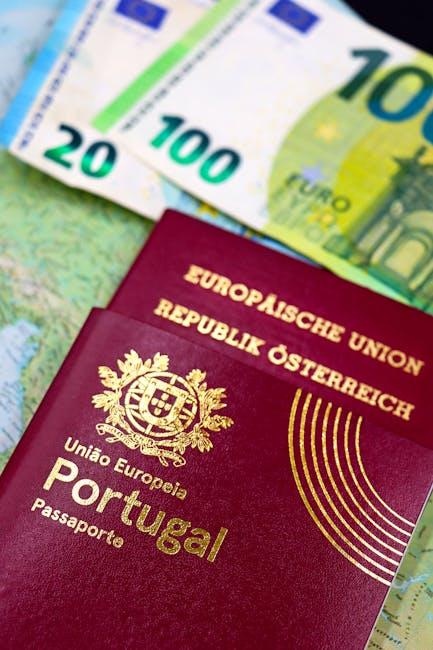
Passport for Sale The Rise of Citizenship by Investment Programs
As globalization accelerates, a new trend has emerged where nations offer economic citizenship in exchange for investments. This phenomenon, known as Citizenship by Investment (CBI), allows individuals to obtain a passport relatively quickly by contributing financially to a country’s development. From real estate projects to government bonds, these programs promise not only travel freedom but also enhanced business opportunities and tax advantages. Notably, some Caribbean islands, European states, and even certain Asian countries have embraced this lucrative model, attracting wealthy investors seeking a secondary nationality with minimal residency requirements.
Each program varies widely in terms of investment thresholds, processing times, and benefits, making it essential to compare options carefully. Below is an overview of popular countries that sell citizenship, highlighting their key features and investment demands:
| Country | Investment Type | Minimum Investment | Processing Time | Visa-Free Travel |
|---|---|---|---|---|
| Saint Kitts & Nevis | Donation to fund | $150,000 | 3-6 months | 150+ countries |
| Malta | Real estate + Contribution | €600,000 | 12-18 months | 185+ countries |
| Turkey | Real estate purchase | $400,000 | 3-6 months | 110+ countries |
| Dominica | Donation or real estate | $100,000 | 3 months | 140+ countries |
Investors should also weigh the ethical and legal considerations amid rising scrutiny over the potential misuse of CBI programs. While the allure of a “passport for sale” concept appeals to many, due diligence, transparency, and adherence to local laws must remain paramount to protect the integrity of these citizenship offerings. Ultimately, the rise of economically driven nationality challenges traditional definitions of belonging and places monetary value on a once purely birthright privilege.
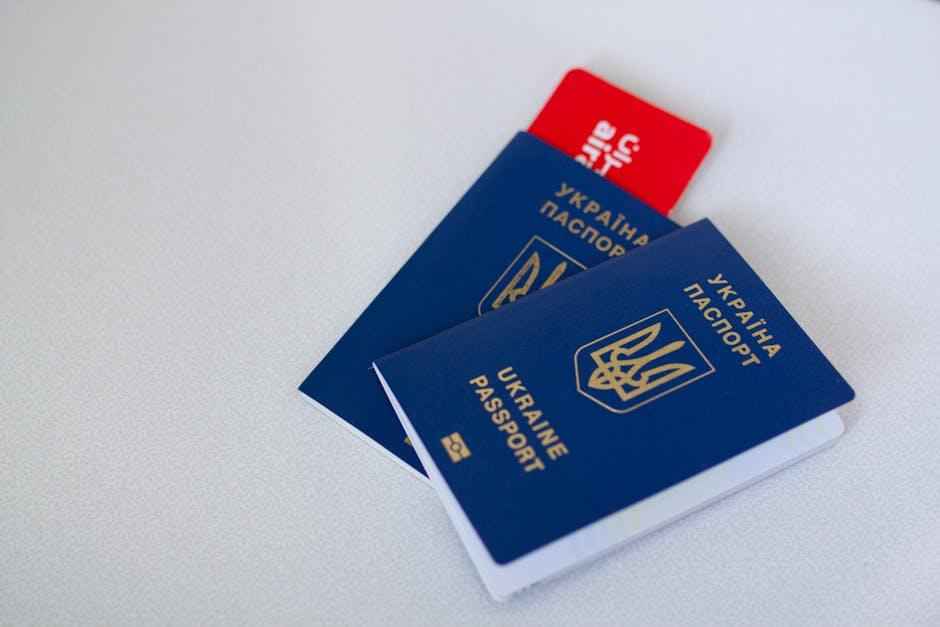
Understanding Eligibility and Application Processes Across Popular Countries
When venturing into the realm of citizenship-by-investment, it’s essential to grasp the diverse eligibility criteria and application processes that vary significantly from country to country. Some nations prioritize economic contributions with minimum investment thresholds, while others require demonstration of residency or cultural ties. In most cases, applicants must pass due diligence checks, proving a clean legal background and financial transparency. The speed of acquiring citizenship can range from a few months to several years depending on how structured the country’s program is and the complexity of its vetting procedures.
Below is a snapshot comparison of popular countries offering citizenship by investment, showcasing their basic requirements and typical processing times, tailored for a quick overview:
| Country | Minimum Investment | Residency Requirement | Processing Time |
|---|---|---|---|
| St. Kitts & Nevis | From $150,000 | No | 3-6 months |
| Malta | €650,000+ | Yes, 12 months | 12-14 months |
| Turkey | $250,000+ | No | 6-9 months |
| Vanuatu | $130,000+ | No | 1-2 months |
Investors should prepare for paperwork that includes detailed source of funds documentation, health checks, and sometimes personal interviews. Enlisting the help of legal experts or licensed agents versed in the nuances of specific programs can streamline the process and ensure compliance with ever-evolving governmental regulations.
Economic and Legal Implications of Buying Citizenship
Purchasing citizenship isn’t merely a transaction—it reshapes economic landscapes and legal frameworks both for buyers and host countries. For nations, these programs create significant revenue streams, often funneled into national development projects, infrastructure, and social programs. This influx of capital can stimulate growth, but it also raises concerns about transparency and equitable wealth distribution. Meanwhile, applicants, typically affluent individuals, must navigate intricate legal procedures, from due diligence processes that assess their backgrounds to ongoing compliance with the host country’s laws.
On the legal front, new citizens may enjoy the benefits of global mobility but could face unexpected obligations or restrictions. It’s vital to understand that economic investment alone doesn’t always guarantee automatic rights; some countries impose conditions like residency requirements or prohibit dual citizenship. The balance between economic gain and legal responsibility prompts ethical debates and policy scrutiny.
- Economic Benefits: Boost to GDP, foreign direct investment, job creation
- Legal Complexities: Due diligence, compliance, residency obligations
- Regulatory Risks: Potential for fraud, money laundering, international sanctions
- Societal Impact: Public perception, cultural integration, national security concerns
| Country | Economic Contribution | Legal Requirement | Risk Factor |
|---|---|---|---|
| St. Kitts & Nevis | $150,000 minimum | 5-day residency in 5 years | Low |
| Malta | €650,000 donation | 1 year residency + background checks | Medium |
| Turkey | $250,000 real estate invest | No residency required | Medium |
| Vanuatu | $130,000 donation | No residency required | Low |
Evaluating the Risks and Benefits for Global Mobility
Opting for a citizenship-by-investment program offers a unique blend of opportunities and challenges. On the upside, investors gain access to expanded global mobility, often unlocking visa-free entry to a slew of countries. This can be a game-changer for business travelers, digital nomads, or those seeking a quick escape route. However, benefits aren’t purely logistical—some programs also provide favorable tax regimes, enhanced business prospects, and access to high-quality education and healthcare systems abroad.
Still, the road to obtaining a new nationality through financial means isn’t without its pitfalls. Political stability, reputation, and transparency of the issuing country must be evaluated carefully. Increased scrutiny from global regulatory bodies and potential legal ramifications are serious considerations. Below is a concise overview of key risk and benefit factors to keep in mind:
| Benefits | Risks |
|---|---|
| Visa-free travel to 100+ countries | Scrutiny over dual citizenship legality |
| Second residence options | Political instability in issuing country |
| Potential tax advantages | Risk of investment loss if program fails |
| Second passport as a security backup | Public perception issues and stigma |
Expert Tips for Choosing the Right Citizenship Investment Option
When considering citizenship by investment, the key is to balance personal goals with investment sustainability. Prioritize countries that offer a transparent legal framework and swift processing times, ensuring your application experience is smooth and reliable. It’s also essential to scrutinize the economic stability of the country, as this directly impacts the value and benefits of your new citizenship. Look beyond price tags—factors such as visa-free travel access, taxation policies, and lifestyle amenities can significantly enhance the long-term value of your investment.
To simplify your decision-making process, create a personalized checklist that includes:
- Investment minimums and program fees
- Residency and physical presence requirements
- Dual citizenship acceptance
- Processing timeline and government reputation
- Post-citizenship rights and benefits
| Factor | Why It Matters | Example |
|---|---|---|
| Visa-Free Travel | Ensures global mobility without restrictions | Caribbean programs offer 140+ visa-free countries |
| Investment Threshold | Determines upfront financial commitment | Malta starts at €650,000 contribution |
| Processing Speed | Shorter wait times reduce uncertainty | Dominica completes in 3-6 months |
In Retrospect
As the world grows ever more interconnected, the concept of citizenship is evolving beyond the traditional ties of birth and heritage. Countries offering passports for sale present a fascinating, if complex, crossroads where identity, opportunity, and legality intermingle. Whether seen as a gateway to new horizons or a controversial shortcut, these programs prompt us to rethink what it truly means to belong—and who gets to decide. In exploring the mosaic of nations that open their doors through investment, we uncover not just the allure of a second passport, but the shifting landscape of global mobility itself.




