
In an increasingly interconnected world, the concept of identity is evolving beyond traditional borders. Dual nationality citizenship-holding legal ties to two countries simultaneously-is becoming more common and relevant than ever before. But what does it truly mean to be a citizen of two nations? How does this status work in practice, and what benefits might it bring? This article explores the multifaceted nature of dual nationality, shedding light on its complexities, advantages, and the practical realities faced by those who navigate the unique path of belonging to more than one homeland. Whether driven by family heritage, career opportunities, or personal choice, understanding dual citizenship is essential in today’s global landscape.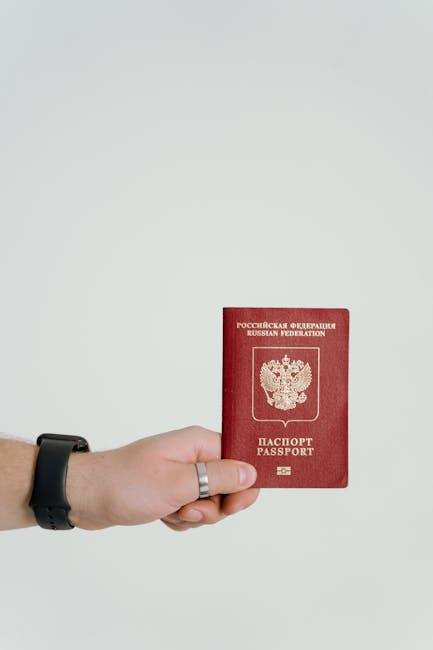
What Dual Nationality Really Means in Today’s Globalized World
Dual nationality, also known as dual citizenship, refers to an individual’s legal status as a citizen of two countries simultaneously. In today’s interconnected world, this status goes beyond a mere legal label-it represents a bridge between cultures, legal systems, and opportunities. Unlike single citizenship, dual nationality allows people to carry passports from two nations, granting them the right to live, work, and participate politically in both countries, depending on each nation’s laws. This interconnectedness is particularly relevant for expatriates, global professionals, and families with multinational roots, as it offers tangible flexibility in travel, property ownership, and education access abroad.
However, dual nationality also involves navigating complex legal landscapes. Benefits include:
- Enhanced mobility: Access to multiple passports often means easier international travel, visa-free entry to more countries, and less bureaucratic red tape.
- Economic opportunities: Dual citizens can work or invest in both countries without restrictions typically faced by foreigners.
- Social and cultural connection: Maintaining cultural ties and family heritage through official citizenship fosters identity and belonging.
Yet, challenges can arise, such as potential tax liabilities in both countries, compulsory military service, or conflicting legal obligations like jury duty. For instance, some countries do not recognize dual citizenship and may require renunciation of the original citizenship, while others permit it but impose strict reporting requirements. To better understand these nuances, here is a brief comparison:
| Aspect | Benefits | Considerations |
|---|---|---|
| Legal Rights | Vote, work, and own property in both countries. | Potential for conflicting laws and diplomatic protection issues. |
| Taxation | Access to benefits and social systems. | Obligation to file taxes in both countries; risk of double taxation. |
| Travel & Mobility | Broader international mobility and fewer visa restrictions. | Some countries restrict dual nationals or require declaration at entry. |

Unlocking the Advantages and Challenges of Holding Two Passports
However, holding two passports does come with complex challenges that warrant careful consideration. Dual citizens must navigate potential legal and tax obligations in both countries, which may include mandatory military service, tax filings, or other civic duties. Conflicts may arise if the two countries have strained diplomatic relations or inconsistent laws regarding citizenship rights. Another frequent concern is the possibility of travel restrictions or scrutiny, as some countries might view dual nationals with suspicion or have specific rules affecting their entry or exit. It’s essential for dual passport holders to stay informed about the regulations in each country, manage their documentation diligently, and seek expert advice when needed to balance these benefits and responsibilities effectively.
| Advantages of Holding Two Passports | Challenges of Holding Two Passports |
|---|---|
| Visa-free or visa-on-arrival access to more countries | Double tax filing requirements or obligations |
| Access to healthcare, education, and work benefits in two countries | Potential compulsory military service in one or both countries |
| Greater security and fallback options during crises | Inconsistent legal rights or political tensions between countries |
Common Myths About Dual Citizenship Debunked
- Myth 1: Dual Citizenship Means You Owe Taxes Twice – Many presume that holding citizenship in two countries automatically subjects them to double taxation. However, numerous nations have tax treaties to prevent this. Typically, you pay taxes only on income earned within each country, and credits or exemptions are often available to avoid paying twice on the same income.
- Myth 2: You Must Serve Military Duty in Both Countries – While some countries require mandatory military service, dual citizens are not necessarily obligated to serve in both. Military obligations depend on each nation’s laws and any specific agreements or exemptions. It’s essential to check the regulations of both countries to understand your responsibilities.
- Myth 3: Dual Citizenship Forces You to Choose One Passport at Borders – Many believe that when traveling, dual nationals must always use one passport or the other exclusively. In reality, the choice depends on the destination, visa requirements, and convenience. You can often use your passport from the country you are entering to simplify customs procedures.
| Aspect | Single Citizenship | Dual Citizenship |
|---|---|---|
| Taxation | Taxed based on country of residence | May require filing in both countries; treaties apply |
| Travel | One passport only | Freedom to choose passport depending on destination |
| Legal Rights | Rights restricted to one country | Access to rights and protections in both countries |
| Military Service | Subject to one country’s rules | May have obligations in one or both countries, but depends on laws |
Choosing Dual Nationality An Informed Guide to Your Legal and Personal Options
Deciding to pursue dual nationality requires a clear understanding of both its legal implications and personal ramifications. Legally, dual nationality means holding citizenship in two countries simultaneously, which can offer significant advantages such as ease of travel, work permits, and access to social services in both nations. However, it also entails navigating complex legal landscapes, including tax responsibilities, military service obligations, and compliance with each country’s nationality laws. Some countries restrict dual citizenship entirely, while others allow it only under specific conditions-so it’s crucial to research the policies of both your current and prospective countries before moving forward. Tools like government websites, consular services, or consulting with immigration lawyers can provide essential guidance tailored to your unique situation.
On a personal level, dual nationality often brings benefits like stronger cultural ties, expanded career opportunities, and the ability to pass citizenship to future generations. But challenges can arise too, such as potential identity conflicts, bureaucratic hurdles, or divided loyalties during political tensions between the nations involved. When weighing the choice, consider factors like:
- Long-term residency plans: Will you live predominantly in one country or alternate frequently?
- Family connections: Does your ancestry or marriage influence your eligibility or motivation?
- Professional advantages: Does dual nationality provide meaningful career or educational benefits?
- Obligations: Are you aware of tax filing, military duties, or dual citizenship renewal requirements?
| Pros | Cons |
|---|---|
| Increased travel freedom | Complex legal requirements |
| Access to social and economic benefits | Potential double taxation |
| Stronger cultural and family connections | Possible political or diplomatic complications |
Navigating the Complexities Between Countries When You Have Dual Status
Managing dual status citizenship often involves carefully navigating the legal and practical complexities that arise when dealing with two different countries. Each nation may have its own distinct laws regarding taxation, military service, voting rights, and legal obligations, which can sometimes conflict. For instance, one country might require mandatory military service, while the other does not recognize such service or demands tax filings on worldwide income. Understanding these differences is crucial to avoid unintended legal consequences like double taxation or loss of nationality. Many dual citizens find it helpful to consult with immigration lawyers or tax professionals who specialize in cross-border issues to ensure compliance and make the most of the benefits afforded by their status.
It’s also important to consider how travel and residency requirements vary between countries. In some cases, dual nationals may face restrictions entering or leaving one country without proper documentation linked to their other nationality. Below is a simple comparison highlighting key areas commonly affected:
| Aspect | Country A | Country B |
|---|---|---|
| Taxation | Worldwide income tax | Tax only on local income |
| Military Service | Mandatory for males aged 18-25 | No conscription |
| Passport Use | Must enter with this passport | Use any valid passport |
- Keep both countries informed: Register with embassies or consulates to receive updates on changing laws affecting dual nationals.
- Plan finances carefully: Understand tax treaties and exemptions to minimize impact.
- Respect local laws: Abide by military or civic duties required by each country to avoid penalties.
By proactively managing these factors, dual citizens can confidently embrace their dual status without unnecessary complications.
Concluding Remarks
Navigating the complexities of dual nationality citizenship reveals a world where borders blur, identities intertwine, and opportunities multiply. Whether driven by heritage, convenience, or a desire for broader horizons, embracing dual citizenship offers a unique blend of rights and responsibilities that reflect our increasingly interconnected global society. By understanding what it truly means and how it operates, you can make informed decisions that resonate with your personal journey-unlocking doors to new cultures, legal protections, and freedoms. In the end, dual nationality is more than just a legal status; it’s a gateway to embracing multiplicity in a singular life.




