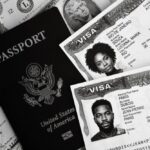
In an increasingly interconnected world, the concept of belonging to more than one nation is becoming remarkably common and intriguing. Dual citizenship, a status that allows individuals to be recognized as citizens by two countries simultaneously, opens a unique window into the complexities of identity, rights, and responsibilities on a global stage. But what exactly does it mean to hold dual citizenship? How does it work in practical terms, and what advantages and challenges come with straddling two legal worlds? This article dives into the multifaceted nature of dual citizenship, exploring its benefits, potential pitfalls, and the mechanisms that make it possible for millions around the world to call more than one place “home.”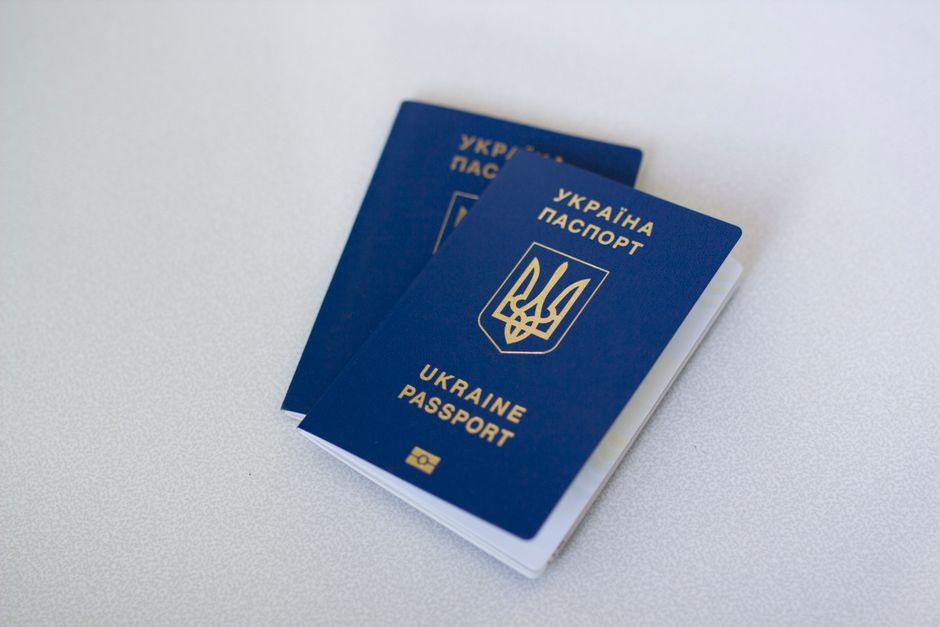
Understanding Dual Citizenship and How It Impacts Your Rights
Dual citizenship occurs when an individual is legally recognized as a citizen of two countries simultaneously. This status offers a unique blend of rights, responsibilities, and protections from both nations, but it also brings complexities. Rights under dual citizenship typically include the ability to live, work, and vote in both countries, access to social services, and eligibility for passports from each nation. However, these benefits depend on the specific laws of each country involved, as some nations impose restrictions such as mandatory military service or taxation requirements. Understanding these nuances helps citizens navigate obligations like filing tax returns in multiple jurisdictions or complying with local legal systems without forfeiting privileges in the other country.
Common challenges often arise from conflicting laws between the two countries. For instance, one country may require renouncing previous citizenships to naturalize, while the other allows dual status, creating a legal gray area. Additionally, travel complications may occur if one country restricts entry or exit based on the passport used. To manage this, experts recommend:
- Regularly consulting the immigration and tax regulations of both countries to stay compliant.
- Carrying passports from both nations when traveling, using each as required by destination rules.
- Seeking professional legal advice if faced with specific citizenship conflicts or obligations.
| Aspect | Impact on Rights |
|---|---|
| Voting | May vote in elections in both countries if allowed |
| Military Service | Potential obligation in one or both countries depending on laws |
| Taxation | Must comply with tax laws of both nations, possibly facing double taxation |
| Legal Protection | Subject to laws of both countries; diplomatic protection varies by situation |

The Key Benefits and Opportunities That Come With Dual Nationality
Dual nationality offers a unique set of benefits that appeal to individuals seeking global mobility, cultural connections, and economic advantages. One of the most significant perks is the ability to live, work, and study freely in two countries without the need for special visas or permits. This flexibility often opens doors to better career opportunities, access to diverse education systems, and even lower tuition fees for citizens. Additionally, dual citizenship can provide enhanced travel benefits, such as visa-free or simplified entry to many nations depending on the passports held. Another practical advantage includes the right to own property or start businesses in both countries, which can be strategically beneficial for entrepreneurship or investment purposes.
Beyond these tangible perks, dual nationality also supports deeper cultural and familial ties by allowing individuals to maintain strong connections with their countries of origin while fully integrating into another society. From a legal perspective, dual citizens usually enjoy protection and consular assistance from both nations, which can be crucial during emergencies abroad. However, it’s important to consider the responsibilities that come with this status, such as tax obligations or mandatory military service in some countries. When weighing the benefits, many find that the ability to navigate between two legal systems and benefit from social services, healthcare, and political rights in both places outweighs the potential challenges.
Common Challenges and Legal Complexities to Consider
- Tax obligations: Dual citizenship often entails navigating complex tax requirements from two countries, which may include filing returns twice or facing double taxation. It’s crucial to understand each country’s tax treaties, reporting obligations, and potential credits to avoid penalties and optimize your financial planning.
- Legal conflicts and citizenship laws: Not all countries recognize dual citizenship, and laws can vary significantly. Some may require you to renounce your original nationality, while others impose restrictions on political participation or military service. This legal ambiguity can complicate travel, residency rights, and access to government services.
- Travel restrictions and passport use: With two valid passports, dual citizens must be aware of rules about which passport to use when entering or leaving each country to avoid entry refusals or scrutiny. Certain nations may limit travel frequency or duration for non-permanent residents holding dual status.
- Inheritance and property laws: Ownership rights, inheritance laws, and estate taxes can differ drastically between countries, potentially leading to legal disputes or unexpected liabilities when dealing with assets in either jurisdiction.
| Challenge | Potential Impact | Recommended Action |
|---|---|---|
| Conflicting National Laws | Loss of citizenship, restricted rights | Consult legal experts in both countries |
| Complex Tax Filings | Double taxation or fines | Hire specialized tax advisors |
| Travel Document Confusion | Entry denial or detention | Follow passport guidelines strictly |
How Dual Citizenship Compares to Residency and Other Immigration Options
Dual citizenship differs significantly from residency and other immigration options by granting individuals full legal ties to two countries simultaneously. Unlike permanent residency, which allows you to live and work in a country without obtaining citizenship rights such as voting or obtaining a passport, dual citizenship offers comprehensive benefits in both nations. These include the ability to participate in elections, easier access to work and social benefits, and travel convenience with multiple passports. In contrast, residency-whether temporary or permanent-typically imposes more limitations, such as renewal requirements and the risk of losing status if conditions aren’t met. Other immigration paths such as work visas or long-term stays usually focus on legal permission to be in a country without necessarily underpinning citizenship privileges, which are only acquired through naturalization or birthright citizenship.
When evaluating dual citizenship versus other immigration options, it’s essential to consider practical factors like taxation, military service, and legal responsibilities that come with holding citizenship in two countries. Dual citizens may face dual tax obligations or conflicting legal duties depending on the nations involved, which permanent residents generally avoid. Additionally, dual citizenship offers strategic advantages for global mobility and economic opportunities but can complicate identity documentation and diplomatic protection. Here’s a quick side-by-side comparison for clarity:
| Feature | Dual Citizenship | Permanent Residency | Work Visa/Temporary Stay |
|---|---|---|---|
| Legal Rights | Full citizenship rights in both countries | Limited rights, no voting | Restricted, tied to visa conditions |
| Travel | Multiple passports for visa-free access | Use home country passport | Dependent on visa requirements |
| Tax Obligations | Potential dual taxation; varies by treaty | Taxed as resident in host country | Taxed based on visa duration/status |
| Military Service | Possible obligations in one or both countries | Generally none | None |
Essential Tips for Choosing and Managing Multiple Nationalities
- Understand Each Country’s Rules: When managing multiple nationalities, it’s crucial to familiarize yourself with the citizenship laws of each country involved. Some nations allow dual or multiple citizenships without restrictions, while others may require you to renounce previous citizenships or impose specific obligations such as military service or tax filings. Researching these details helps avoid legal conflicts and ensures you maintain your rights across all jurisdictions.
- Maintain Proper Documentation: Always keep your passports, national ID cards, and other official documents up-to-date for each nationality. Expired or missing documents can complicate travel, residency, or work permissions. Additionally, some countries require you to register your citizenship or report your status periodically; neglecting these formalities may lead to a loss of benefits or legal issues.
| Consideration | Potential Impact | Recommendation |
|---|---|---|
| Tax Obligations | Multiple tax filings and possible double taxation | Consult a tax advisor to optimize filing strategies and utilize treaties |
| Military Service | Mandatory service in one or more countries | Clarify exemptions or options to fulfill requirements legally |
| Political Rights | Voting and running for office may vary | Know your rights and limitations within each nationality |
Concluding Remarks
In the end, dual citizenship is a complex yet fascinating concept that bridges borders and identities. It offers a unique blend of opportunities and responsibilities, weaving together the threads of two nations into a single tapestry of belonging. While the advantages of expanded rights, travel freedom, and cultural connection are alluring, the challenges of legal nuances and divided loyalties cannot be overlooked. Understanding how dual citizenship works is key to navigating this intricate balance, empowering individuals to make informed choices about their place in an increasingly interconnected world. Whether embraced as a gateway to new horizons or approached with caution, dual citizenship remains a compelling reflection of our globalized era-where identity is no longer confined to a single passport, but often lives in the spaces between.