
In an age where the world feels simultaneously vast and interconnected, the idea of crossing borders has taken on new dimensions-beyond tourism and trade, it has evolved into a strategic gateway to opportunity through investment citizenship. Behind the sleek brochures and glossy promises lie intricate tales of ambition, hope, and sometimes harsh realities. “Crossing Borders: Real Stories and Hard Truths Behind Investment Citizenship Countries” delves into this complex landscape, unraveling personal journeys and exploring the less visible challenges that shape the pursuit of a second passport. As nations compete for global citizens willing to invest, the truth behind these programs reveals a nuanced picture of privilege, risk, and the redefinition of belonging in the 21st century.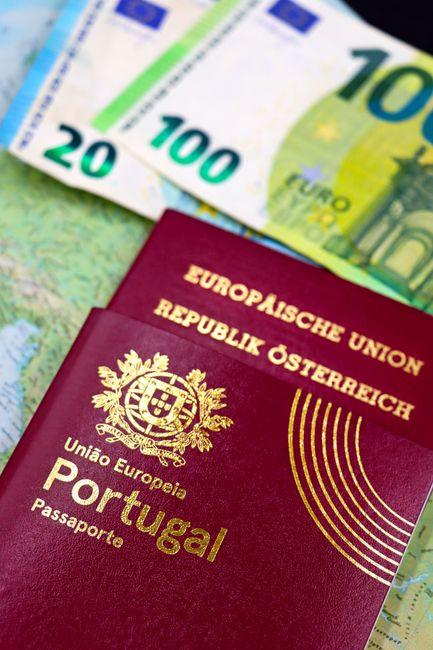
Navigating Dreams and Realities in the Pursuit of Investment Citizenship
When individuals and families embark on the journey toward investment citizenship, they often enter with visions of seamless transitions, enhanced global mobility, and financial freedom. Take Anna and Marco, a couple from Europe seeking a second passport to expand their business in Asia. They envisioned a straightforward process: invest, receive citizenship, and unlock a new lifestyle. However, the reality unfolded differently. The due diligence phase exposed overlooked financial complexities, while language barriers delayed critical paperwork. Their story underscores an essential lesson: preparing for unexpected legal and bureaucratic hurdles is as crucial as the initial investment itself.
Another common narrative emerges in the contrast between marketing promises and lived outcomes. For example, a single entrepreneur from Latin America pursued citizenship through a Caribbean country, attracted by its quick turnaround and low minimum investment. Yet, upon arrival, he encountered limited local infrastructure and fewer business opportunities than anticipated. This gap between expectation and result highlights the need for prospective applicants to:
- thoroughly research economic conditions and lifestyle implications
- seek advice from those who have gone through the process
- consider long-term residency benefits beyond the citizenship label
These stories remind us that the pursuit of investment citizenship is as much about adapting to realities as it is about chasing dreams, requiring a balance of aspiration and grounded pragmatism.

Unexpected Challenges and Legal Complexities in New National Identities
- Case in point: A family from Southeast Asia pursued a Caribbean citizenship-by-investment program, drawn by the promise of visa-free travel and business flexibility. However, upon relocation, they encountered unexpected legal complications-notably, conflicts between their new country’s tax obligations and those of their country of origin. Despite assurances from program promoters, the family found themselves navigating a tangled web of double taxation and complex residency requirements that delayed their ability to access banking services and conduct international transactions smoothly. This ordeal highlighted the crucial gap between what promotional materials often emphasize and the intricate realities travelers and investors face when redefining their national identity.
Such experiences underscore the multilayered legal landscape accompanying new citizenships. Regulatory frameworks can vary widely, and misunderstandings about compliance can result in significant penalties or revoke benefits altogether. For instance:
| Expectation | Reality |
|---|---|
| Immediate access to government services and rights | Lengthy residency requirements before full rights activate |
| Simple taxation schemes with minimal reporting | Complicated declarations tied to previous citizenships and dual status |
| Seamless business formations and banking access | Rigid anti-money laundering checks and additional documentation demands |
Investors often learn that they must engage expert legal counsel promptly to grasp the nuances of their new status and avoid pitfalls. The lesson is clear: new national identities through investment citizenship are rarely turnkey solutions but require careful navigations through the unexpected challenges embedded in international law and personal circumstance.
Personal Turning Points that Redefine the Cost of Mobility
- From Opportunity to Obstacle: Take Ana, a tech entrepreneur from Brazil, who initially viewed investment citizenship as a straightforward path to expanded business opportunities across Europe. Her vision was clear: a single passport unlocking seamless travel, easier access to international clients, and a boost in credibility. However, after navigating the bureaucratic maze and investing heavily in a country with a stringent due-diligence process, she quickly learned that citizenship came with unexpected strings attached. Visa-free travel didn’t guarantee hassle-free residency or social integration, and local tax codes complicated her financial landscape more than she had anticipated. Ana’s story highlights a critical turning point for many – realizing that mobility’s cost isn’t just monetary but also procedural and personal.
- Redefining Value Beyond Borders: Contrast Ana’s journey with Michael’s, a retired Canadian who saw an investment citizenship program as a golden ticket to a Mediterranean climate and a relaxed lifestyle. Yet, his expectations collided with reality when healthcare access and long-term residency conditions weren’t as accessible as promised. His decision to continue investing in local community projects over immediate returns transformed his understanding of value. Mobility, for Michael, redefined itself not simply as crossing physical borders but bridging cultural and social gaps. These personal turning points underscore that the true cost of mobility often transcends application fees and second passports – it’s about the trade-offs in lifestyle, identity, and sometimes compromises on what “freedom” really entails.
Lessons from Diverse Journeys Shaping the Future of Citizenship by Investment
- The Entrepreneur’s Gamble: Consider the story of Ana, a tech entrepreneur from Brazil who invested in a Caribbean citizenship-by-investment (CBI) program with dreams of expanding her business internationally. Initially drawn by the promise of visa-free travel and a hassle-free application process, she quickly learned the reality was far more nuanced. Due diligence took longer, and timelines stretched unpredictably. Ana’s initial excitement turned sober when the local government’s sudden changes in residency requirements delayed her ability to secure the passport. Her patience and adaptability became lessons in managing expectations versus the complex bureaucratic realities that often accompany such programs.
- From Luxury to Legacy: On the other end of the spectrum, Michael, a retired British banker, approached investment citizenship not just for convenience but as a legacy plan for future generations. When he chose a European program emphasizing real estate investments, he anticipated smooth processing and a lasting asset. However, fluctuating real estate markets and stringent property maintenance regulations tested his assumptions. Michael’s experience underscores a critical lesson: citizenship by investment is as much about geographic and political stability as it is about financial returns. His story compels future applicants to weigh not just immediate benefits but long-term implications that shape the sustainability of their new citizenship.
| Key Decision Point | Expectation | Reality | Lesson Learned |
|---|---|---|---|
| Application Processing Time | Fast, within 3 months | Extended to 6+ months due to policy changes | Always prepare for regulatory shifts impacting timelines |
| Investment Vehicle | Real estate appreciating steadily | Market volatility and strict maintenance rules | Choose vehicles aligned with long-term political and economic stability |
Comparing Aspirations and Outcomes Across Popular Investment Citizenship Destinations
- Aspiration vs. Reality: The Caribbean and Mediterranean Examples
For many, Caribbean programs like St. Kitts and Nevis are seen as fast-track passports-quick, straightforward, and affordable. Take James, a tech entrepreneur from London who expected a smooth process unlocking visa-free travel across the EU and the Caribbean. His reality was more nuanced: while the citizenship was indeed swift, the actual freedom of movement fell short of his expectations. The Caribbean passport offered strong travel perks within the Americas and parts of Asia, but not Europe, where James hoped to expand his business network. Conversely, in Malta, a Mediterranean hotspot, Sofia, a real estate investor from Russia, pursued citizenship expecting robust EU access and economic stability. However, the extensive due diligence and protracted processing times tested her patience and required an unexpected legal consulting budget. These contrasting experiences highlight how the allure of a quick passport or prime geography might meet administrative or regional limitations.
- Lessons in Due Diligence and Lifestyle Adjustments
Consider two key decision points many investors face: the speed of citizenship versus quality of life, and the transparency of due diligence. Mark, an Australian physician, aimed for Dominica’s program, enticed by lower costs and rapid turnaround. Yet, post-citizenship, he encountered local compliance requirements and cultural differences that affected his intended lifestyle. Meanwhile, Elena, a Ukrainian businesswoman navigating Portugal’s residency-by-investment path (which leads to citizenship), embraced a longer process but gained residence in a country with solid healthcare, security, and European Union benefits. The investment itself-real estate in Portugal-required close attention to market trends and regulations, an inevitability many newcomers underestimate. These experiences echo a broader insight: the best outcomes often come from aligning expectations with thorough research and openness to the sometimes-unseen trade-offs of investment citizenship programs.
| Destination | Time to Citizenship | Primary Benefit | Common Disappointment |
|---|---|---|---|
| St. Kitts and Nevis | 3-6 months | Speed, Caribbean & Americas travel freedom | Limited EU access |
| Malta | 12-24 months | EU citizenship, robust economy | Lengthy due diligence, paperwork |
| Portugal | 5 years (residency) to citizenship | Quality of life, EU benefits | Longer timeline, real estate risks |
| Dominica | 3-4 months | Low cost, quick processing | Infrastructure and lifestyle adjustments |
To Conclude
As the sun sets on the complex landscape of investment citizenship, the stories shared here remind us that crossing borders is never just a transaction-it is a passage woven with dreams, dilemmas, and hard truths. Behind every passport lies a personal journey and a broader narrative of global opportunity and challenge. Whether driven by security, freedom, or new beginnings, the quest for a second citizenship invites us to look beyond the glossy brochures and consider the profound human and ethical dimensions at play. In a world increasingly connected yet divided, these real stories serve as a compass-guiding future explorers through the intricate map of identity, belonging, and the price we pay to cross borders.




