
In a world increasingly connected yet profoundly diverse, the concept of home often transcends borders, languages, and cultures. For millions who hold dual citizenship, the experience of belonging is a delicate dance between two nations-two official identities woven into one personal story. “Two Homes, One Identity: Navigating the Complex Journey of Dual Citizenship” explores the intricate realities faced by individuals living with this unique legal and emotional duality. Beyond passports and paperwork, it is a journey of balancing heritage and opportunity, rights and responsibilities, and sometimes, conflicting loyalties. This article delves into the nuanced landscape of dual citizenship, shedding light on its challenges, privileges, and the evolving meaning of identity in a globalized age.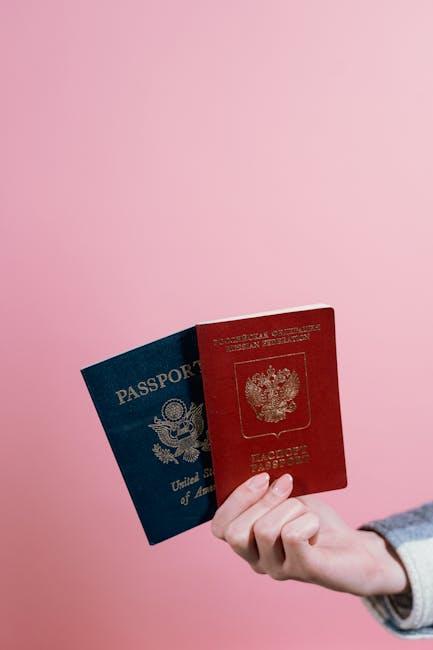
Living Between Borders The Everyday Realities of Dual Citizenship
Maria always thought dual citizenship would be her ultimate advantage: the freedom to live, work, and travel without borders. But her reality, like that of many others, painted a more intricate picture. When her daughter was accepted into a university in Europe, Maria faced a decision point that wasn’t just about logistics but identity. Despite holding dual citizenship, the university’s financial aid policies favored citizens of one country over the other. Maria realized that belonging to two countries doesn’t always mean having equal rights or privileges in both. It was a lesson in nuance, where the legal benefits of dual citizenship contrasted sharply with institutional realities.
Everyday life for someone like Omar, holding both Canadian and Pakistani citizenships, also involves navigating cultural expectations that don’t always sync up. At family gatherings in Pakistan, his Canadian upbringing makes him the “outsider,” while back home in Toronto, relatives often treat him as a representative of his family’s ancestral roots. This duality creates a continuous balancing act, where the definition of home shifts depending on location and context. Such moments reveal the complex emotional landscapes of dual citizenship – beyond paperwork, it’s about living between social worlds, where allegiance is multifaceted and personal.
- Benefit: Expanded travel and work opportunities
- Challenge: Unequal access to services or rights depending on country
- Emotional impact: Navigating cultural identity and belonging
| Aspect | Expectation | Reality |
|---|---|---|
| Financial Aid Eligibility | Equal support from both countries | Disparities based on citizenship status in specific country |
| Cultural Integration | Feeling equally connected to both nations | Experiencing a sense of “otherness” in each place |
When Two Governments Demand Loyalty Exploring Legal and Emotional Tensions
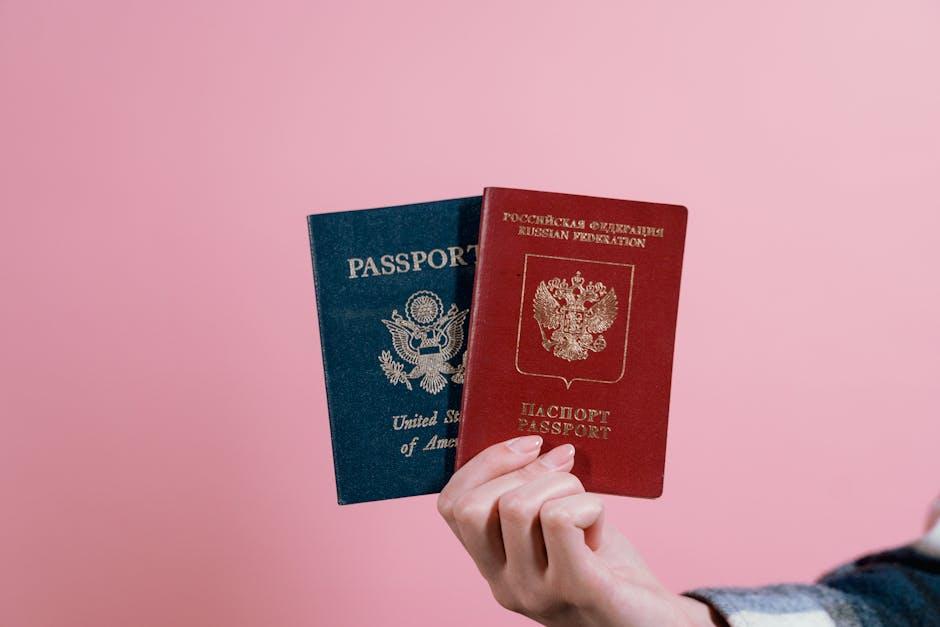
When two governments demand loyalty, the dual citizen often finds themselves navigating a labyrinth of legal obligations and emotional dilemmas. Consider Ana, who was born in Canada to Colombian parents. Holding both passports, she planned a trip to visit family in Colombia, only to realize she needed to fulfill mandatory military service requirements for Colombia-a commitment she had never anticipated. This unexpected obligation collided with her Canadian career plans and personal values, illustrating how dual citizenship can blur lines of allegiance in stark, real-life ways. Ana’s story reflects a common tension: while dual citizenship aims to open doors, it can also erect walls when governments expect unequivocal loyalty, especially in areas like taxation, conscription, or political participation.
The push and pull between two national identities often forces difficult choices, where neither fully satisfies the individual’s needs or rights. A useful way to frame these challenges is through the lens of legal versus emotional expectations:
| Aspect | Government Expectations | Individual Experience |
|---|---|---|
| Legal Duties | Tax filings, military service, voting obligations | Complex compliance, fear of penalties, divided loyalties |
| Emotional Bonds | Promotion of national pride and cultural heritage | Feelings of belonging to multiple cultures, yet occasional identity conflicts |
As in the case of Amir, holding U.S. and Iranian citizenships, the emotional weight of these divides can be profound. While he wanted to honor both heritages, the political tensions between the countries led to increased scrutiny and a personal crisis over where his true allegiance lay. These narratives underscore a critical lesson: dual citizenship is rarely a simple or purely beneficial status; rather, it demands continuous negotiation, vigilance, and sometimes compromise amidst competing loyalties. Being aware of the legal responsibilities and potential emotional toll can help individuals prepare for these challenges-and find a personal path through the intertwined demands of two nations.
Stories from the Crossroads Personal Journeys Shaping Identity and Belonging
Maria’s story resonates with many who find themselves straddling two worlds. Born in Spain to Filipino parents, she grew up in a household where Spanish traditions mingled seamlessly with Filipino values. Yet, when she moved to the Philippines for work, the sense of belonging she anticipated was slowed by subtle cultural gaps. Simple moments-like navigating local bureaucracy or celebrating fiestas-became lessons in patience and adaptability. What surprised Maria was not just the external adjustment, but an internal one: she had to reconcile her Spanish citizenship identity with a deepening Filipino cultural attachment. Her dual citizenship wasn’t merely a legal status; it was a daily dialogue between two selves, each reshaping her sense of home and heritage.
Contrast this with David, whose dual citizenship came with starkly different expectations. As a Canadian-American, he imagined a smooth blend of privileges and freedoms. Yet, when faced with the practical dilemmas of where to pay taxes, vote, or serve in the military, David confronted complex decisions that felt less about identity and more about responsibility. His journey illuminated crucial lessons:
- Dual citizenship is an ongoing negotiation between legal frameworks and personal values.
- Belonging isn’t always immediate-it’s cultivated through lived experience and conscious connection.
- Expectations & reality can diverge, requiring flexibility and a willingness to redefine what home truly means.
| Challenge | Expectation | Reality | Lesson |
|---|---|---|---|
| Cultural integration | Instant belonging | Gradual adaptation | Patience and openness |
| Legal responsibilities | Simplified dual benefits | Complex obligations | Informed decision-making |
| Identity perception | Clear dual identity | Fluid, evolving self-understanding | Embrace complexity |
The Unexpected Lessons Gained from Navigating Dual Legal Systems
When Maria first embraced her dual citizenship, she expected the process to be straightforward-a seamless blend of two legal worlds. However, navigating the nuances between her countries’ legal systems revealed unexpected challenges that demanded adaptability and learning. Her initial encounter came when filing taxes: the two authorities required different documentation and had contrasting deadlines. What seemed like routine paperwork turned into a lesson in patience and meticulous organization. Maria learned to anticipate these differences rather than be caught off guard by them. One striking realization was how a legally recognized status in one country didn’t always translate easily to the other, such as driving licenses or residency permits, requiring her proactive engagement with multiple bureaucracies.
These experiences illuminated broader lessons about identity and compliance, highlighting that dual citizenship extends beyond paperwork into everyday life decisions. Consider the case of Ahmed, who faced a complex legal decision when buying property abroad-he discovered that owning land in one country under certain conditions didn’t automatically guarantee property rights in the other. Such contrasts taught Ahmed the value of consulting local experts and preparing for legal divergences. Here’s a brief comparison of common dual citizenship legal challenges:
| Aspect | Country A | Country B |
|---|---|---|
| Tax Reporting Deadline | April 15 | June 30 |
| Vehicle Registration | Needs local license | International license accepted |
| Property Ownership | Requires residency status | No residency required |
- Lesson learned: Flexibility is key to bridging legal and cultural divides.
- Decision moment: When to seek legal advice versus self-managing documentation.
- Contrasting expectations: Dual citizenship isn’t merely additive-it often involves navigating contradictory rules.
Finding Harmony After Conflict The Evolving Meaning of Home and Nation
When Amina first returned to her ancestral village after years abroad, the warm greetings contrasted sharply with her own feeling of dissonance. Though legally a citizen and culturally connected, she wrestled with moments where her dual identities felt at odds-caught between expectations of national loyalty and the evolving meaning of what “home” truly meant. This internal tug-of-war is common among dual citizens: the notion of home extends beyond physical borders into emotional and ideological landscapes. For many, like Amina, reconciling these can lead to profound growth as they come to embrace a more fluid, expansive identity.
Consider the experience of Javier, who voted in elections both in the country of his birth and his adopted nation. His initial assumption was that political allegiance meant choosing one “side” above the other. Yet, over time, he realized this wasn’t about contradiction but about building bridges-understanding diverse perspectives and advocating for inclusive policies that reflect the hybrid realities of people like him. Lessons from these stories often include:
- The recognition that national identity evolves rather than remains fixed.
- How dual citizenship creates opportunities for empathy and cross-cultural dialogue.
- The importance of embracing complexity instead of forcing binary definitions.
| Expectation | Reality |
|---|---|
| Home means a single, fixed place. | Home can be multiple, shaped by relationships and experiences. |
| Citizenship demands exclusive loyalty. | Dual citizenship fosters layered loyalties and broader understanding. |
Key Takeaways
In the mosaic of modern identity, dual citizenship paints a picture both vibrant and intricate. It is a journey that weaves together two places, two cultures, and two senses of belonging into a single, evolving narrative. Embracing this duality means navigating challenges and embracing opportunities-finding harmony in the spaces between borders. Ultimately, the story of two homes and one identity is a testament to the fluid nature of belonging in an interconnected world, where identity is not confined by lines on a map but shaped by the ties that bind us to people, places, and ourselves.




