
In an increasingly interconnected world, the idea of belonging to more than one country isn’t just a dream-it’s a reality for millions. Dual national citizenship is a legal status that allows individuals to hold citizenship in two nations simultaneously, unlocking a unique blend of rights, responsibilities, and opportunities. But what exactly does it mean to be a dual citizen? Beyond the definitions lie benefits ranging from expanded travel freedom to enriched cultural connections. This article explores the nuances of dual national citizenship: what it entails, the advantages it offers, and the practical steps you can take to apply. Whether driven by heritage, career, or personal curiosity, understanding this complex status can open doors to new horizons.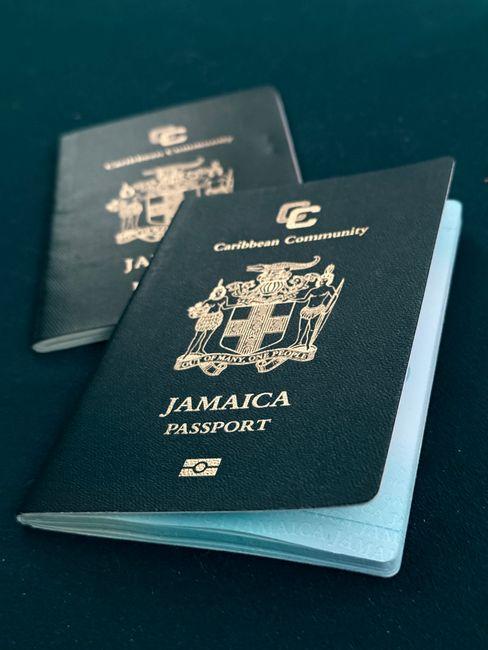
Navigating the Complexities of Holding Citizenship in Two Countries
Holding citizenship in two countries, commonly known as dual nationality, involves more than simply enjoying the rights and privileges of both nations. It requires navigating a complex web of legal, tax, and social obligations that can sometimes conflict. For example, dual citizens may be subject to taxation by both countries or face compulsory military service requirements. Additionally, understanding which country’s laws apply in various situations-such as marriage, inheritance, or criminal proceedings-becomes crucial. Not all countries permit dual citizenship, so holders must regularly verify both countries’ policies to avoid unexpected legal consequences. Choosing to maintain dual citizenship often means balancing benefits with responsibilities, such as:
- Travel flexibility: Easier visa-free access but also varying passport renewal protocols.
- Tax implications: Keeping track of filing requirements in two jurisdictions.
- Political rights and duties: Voting in multiple nations but potentially serving jury duty or military service.
- Legal protections: Receiving consular support but also abiding by differing legal systems.
To illustrate the intricacies, consider this comparison table highlighting key challenges and benefits:
| Aspect | Benefit | Challenge |
|---|---|---|
| Legal Status | Access to social services and protections in both countries | Potential legal conflicts and obligations |
| Travel | Greater freedom and simpler border crossings | Must comply with exit/entry rules of both countries |
| Taxes | Some tax benefits or treaty exemptions | Double taxation risk without careful planning |
To effectively navigate these complexities, experts recommend: staying well informed about each country’s citizenship laws, consulting with legal and tax professionals specialized in dual nationality, and maintaining clear records of your status and obligations in both nations. This proactive approach not only helps maximize the advantages of holding two citizenships but also minimizes unintended risks, ensuring your dual nationality remains a seamless asset rather than a burden.

Exploring the Advantages and Challenges of Dual National Status
Dual national citizenship offers significant advantages, enabling individuals to enjoy rights and privileges in two countries simultaneously. This status often provides greater travel freedom through multiple passports, broader employment opportunities across different legal systems, and access to social benefits such as healthcare and education in both nations. Additionally, dual nationals can maintain strong cultural ties and family connections while expanding their global mobility. However, it’s essential to understand that benefits vary depending on each country’s laws and international agreements. For example, someone with dual citizenship between a visa-friendly country and another with strict entry restrictions might navigate global travel with ease, which is a substantial advantage for frequent travelers or expatriates.
Despite the benefits, holding dual nationality also brings complexities that should be carefully considered. Challenges include potential tax obligations in both countries, mandatory military service, or conflicting legal responsibilities that can lead to diplomatic complications. Moreover, dual nationals might face difficulties when voting or holding public office, as some countries restrict such rights to single nationals. The risks can be better understood by comparing common concerns:
| Common Challenge | Potential Impact | Recommended Approach |
|---|---|---|
| Double Taxation | Unexpected tax filing and liabilities in both countries | Consult tax treaties and seek professional advice to optimize compliance |
| Legal Conflicts | Contradictory laws regarding citizenship obligations (e.g., military service) | Understand each country’s laws thoroughly before applying |
| Travel Restrictions | Complications using two passports without informed planning | Follow the recommended passport use guidelines for each country |
To navigate these complexities effectively, dual nationals should stay informed about legal requirements and seek expert guidance when needed. Weighing the advantages against these challenges can help determine if pursuing dual citizenship aligns with one’s personal and professional goals.
Common Myths and Facts About Dual Citizenship Unveiled
There are several widespread misconceptions surrounding dual citizenship that can create confusion for those considering dual nationality. One common myth is that having dual citizenship means you must pay taxes in both countries equally. In reality, tax obligations depend largely on each country’s specific laws and tax treaties; for example, some countries tax worldwide income (like the U.S.), while others tax only income earned within their borders. Another misconception is that dual citizens are obligated to serve in the military of both nations. While this can apply in some cases, many countries offer exemptions or deferments, especially if the individual resides primarily in one country. It’s important to research the legal responsibilities associated with each citizenship to avoid surprises.
Beyond legal and financial concerns, people often worry that dual citizenship might force them to renounce one nationality or restrict their international travel freedom. However, dual nationality, by definition, allows an individual to legally hold two citizenships simultaneously, subject to the laws of both countries involved. This status can actually enhance travel flexibility, as dual citizens often have access to multiple passports and reduced visa requirements. Below is a brief comparison of common concerns versus the realities of dual citizenship:
| Myth | Fact |
|---|---|
| Dual citizens must pay double taxes. | Taxation varies by country; some have agreements to prevent double taxation. |
| Dual citizens lose rights in one country. | Rights vary, but most dual citizens enjoy full rights in both countries. |
| Dual citizenship means mandatory military service in both nations. | Military obligations depend on each country’s laws; often exemptions apply. |
| Dual citizenship requires renouncing the original nationality. | By definition, it involves holding two citizenships without renunciation. |
Choosing Between Single and Dual Citizenship What Factors Matter Most
Deciding between maintaining a single citizenship or pursuing dual citizenship depends on multiple personal, legal, and economic factors. Single citizenship offers simplicity, often avoiding the complexities of juggling multiple legal systems, tax obligations, and varying rights or responsibilities. In contrast, dual citizenship grants individuals the legal status to live, work, and vote in two countries, which can be invaluable for those with strong family ties, career opportunities, or property interests abroad. Yet, it’s essential to investigate whether both nations allow dual citizenship, as some countries require renouncing previous citizenship upon naturalization. Other crucial aspects include potential military service obligations, taxation treaties, and passport use-especially if international travel freedom is a priority.
When weighing the choice, consider these key factors:
- Legal Rights & Responsibilities: Dual citizenship may grant voting rights and social benefits in both countries but can also mean abiding by conflicting laws, especially regarding taxation and military service.
- Travel Benefits: Holding two passports often eases international mobility, offering visa-free access to more countries and reducing border delays.
- Tax Implications: Some countries tax worldwide income; dual citizens must navigate complex reporting requirements and consider double taxation treaties.
- Cultural and Emotional Connections: Those with ties to two countries might find dual citizenship strengthens family unity and cultural identity.
- Potential Risks: Dual citizenship can complicate diplomatic protection-especially when traveling or living in one of the countries during political tension or conflict.
| Factor | Single Citizenship | Dual Citizenship |
|---|---|---|
| Legal Complexity | Simpler legal obligations | May require managing laws of two nations |
| International Mobility | Limited to one country’s passport benefits | Access to two passports, enhanced travel freedom |
| Taxation | Single tax system | Potential double taxation, complex filings |
| Cultural Identity | Identity tied to one nation | Enhanced cultural, familial connections |
Step-by-Step Guidance for Obtaining Dual Nationality with Confidence
Embarking on the process of obtaining dual nationality requires a clear understanding of the specific legal frameworks and eligibility criteria of the countries involved. Typically, the first step is to identify whether both countries allow dual citizenship, as some nations restrict or prohibit it outright. Next, gather essential documentation such as birth certificates, proof of residency, passports, and any relevant ancestral records if applying through descent. It’s crucial to research the distinct application procedures-some countries mandate naturalization periods, language proficiency tests, or demonstrations of cultural integration. Consider consulting official government websites or seeking legal advice to ensure you’re meeting all requirements without unnecessary delays.
To navigate this complex process confidently, follow a structured approach:
- Check Eligibility: Verify whether you qualify based on ancestry, marriage, naturalization, or birthright citizenship.
- Understand Legal Implications: Know the rights and responsibilities that come with dual citizenship, including tax obligations and military service.
- Prepare Documentation: Organize certified copies of personal identification, proof of residency, and any additional forms required by both nations.
- Submit Application: Apply through the proper diplomatic channels, whether local consulates or immigration offices.
- Follow Up and Interview: Be prepared for interviews or additional requests for information and stay informed about processing times.
| Step | Action | Tips |
|---|---|---|
| 1 | Confirm dual citizenship policies | Check official government pages of both countries |
| 2 | Gather documents | Obtain certified translations if necessary |
| 3 | Complete application forms accurately | Double-check information to avoid delays |
| 4 | Submit application | Retain copies and track submission status |
| 5 | Attend interviews or provide additional info | Be honest and thorough in responses |
To Conclude
Navigating the world of dual national citizenship opens up a realm of possibilities, blending identities, cultures, and opportunities into a unique personal tapestry. Whether motivated by family heritage, career prospects, or the desire for greater global mobility, understanding what it truly means-and how to embrace it-empowers individuals to make informed decisions. As laws and policies continue to evolve, staying informed and seeking expert guidance ensures that the journey toward dual citizenship is as seamless as it is rewarding. Ultimately, this dual status is more than just a legal designation; it’s a bridge connecting lives across borders, enriching both personal and global narratives.




